
Most people switch to orthopedic footwear only after months of discomfort — not because they didn’t notice the pain, but because they assumed it was just “normal” foot tiredness. It usually isn’t. Here are five common signs that your feet need real support, not another pair of ordinary sandals.
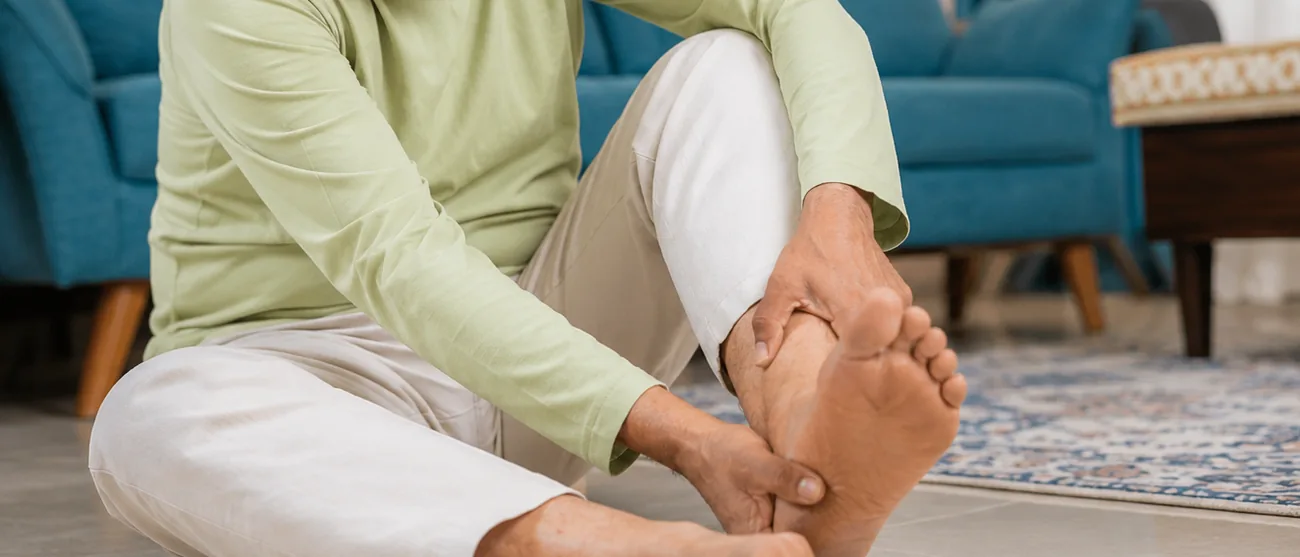
1. Sharp Heel Pain With Your First Steps
A stabbing pain in the bottom of the heel that is worst the moment you get up in the morning or after sitting for a while is a classic sign of heel strain or a calcaneal spur. Hard, flat soles pass every bit of that impact straight up through an already-tender heel.
2. Arch Pain That Gets Worse With Standing
A stabbing ache along the arch or underside of the foot, especially after long periods on hard floors, often points to plantar fasciitis or weak arch support. Flat, arch-less slippers usually make this worse rather than better, because the arch has nothing to lean on with every step.
3. Feet That Feel Wider or More Swollen by Evening
If your usual footwear feels noticeably tighter by the end of the day, your feet may need a roomier, adjustable fit rather than a fixed-size shoe. This is especially common during pregnancy, after long shifts on your feet, or with certain health conditions that cause fluid retention.
4. Reduced Sensation, Slow-Healing Cuts, or Unnoticed Sores
If you have diabetes and notice cuts or blisters that take longer than usual to heal, or you can’t always feel a pressure point in your current shoes, this is one of the clearest signals to move to proper diabetic footwear with a soft, seamless upper.
5. General Foot Fatigue From Being on Your Feet All Day
Cooking, walking to work, standing in a shop — ordinary footwear that isn’t built for repeated, all-day wear tends to catch up with you. If your feet ache by mid-afternoon regardless of what specific pain you have, a properly cushioned, everyday supportive sandal makes a bigger difference than people expect.
What Orthopedic Footwear Actually Changes
The difference isn’t cosmetic. A genuine orthopedic sandal or shoe adds a cushioned, contoured footbed that supports the arch instead of letting it collapse, spreads pressure evenly across the sole, and uses a soft, adjustable upper that doesn’t fight against your foot shape through the day.
Recognise one or more of these signs? Find the right footwear for your condition, or WhatsApp us and describe what you’re feeling — we can point you to the right pair.
This article is for general information only and isn’t a substitute for advice from your doctor or podiatrist. Please consult a healthcare professional for diagnosis and treatment.