Pregnancy changes your feet more than most people expect. Many women notice their feet swelling, their arches aching and even their shoe size changing. The right footwear makes daily life — and those extra trips to the bathroom at night — safer and more comfortable.
Why feet change during pregnancy
- Swelling (oedema): extra body fluid and pressure on blood vessels cause feet and ankles to swell, especially in the third trimester, in the evening and in Chennai's heat.
- Looser ligaments: pregnancy hormones relax ligaments, including those that support the arch, so the arch can flatten and feet may lengthen slightly.
- Weight and balance: extra weight and a forward-shifting centre of gravity increase load on the heels and arches and make slips more likely.
Footwear features that help
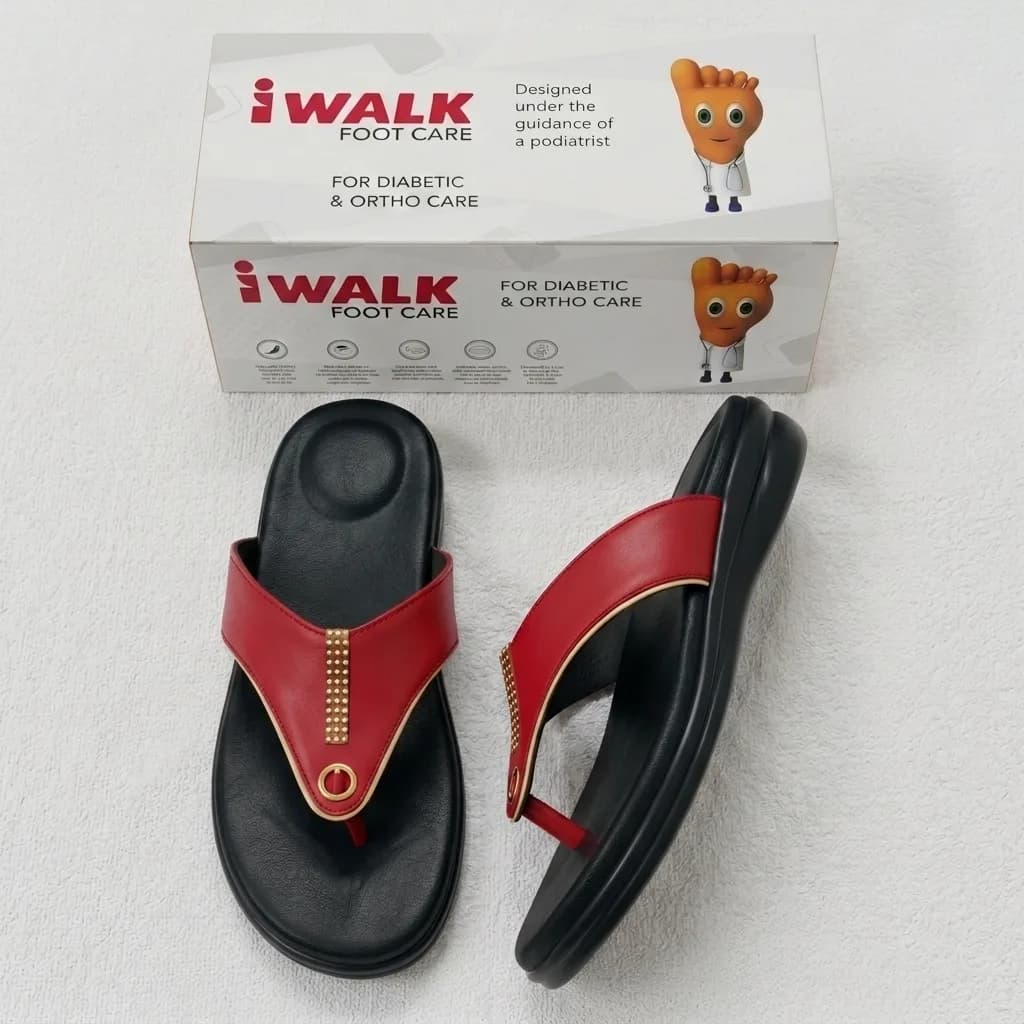
- Arch support — a contoured MCP footbed supports the relaxed arch and reduces aching.
- Cushioned heel — for the extra load with every step.
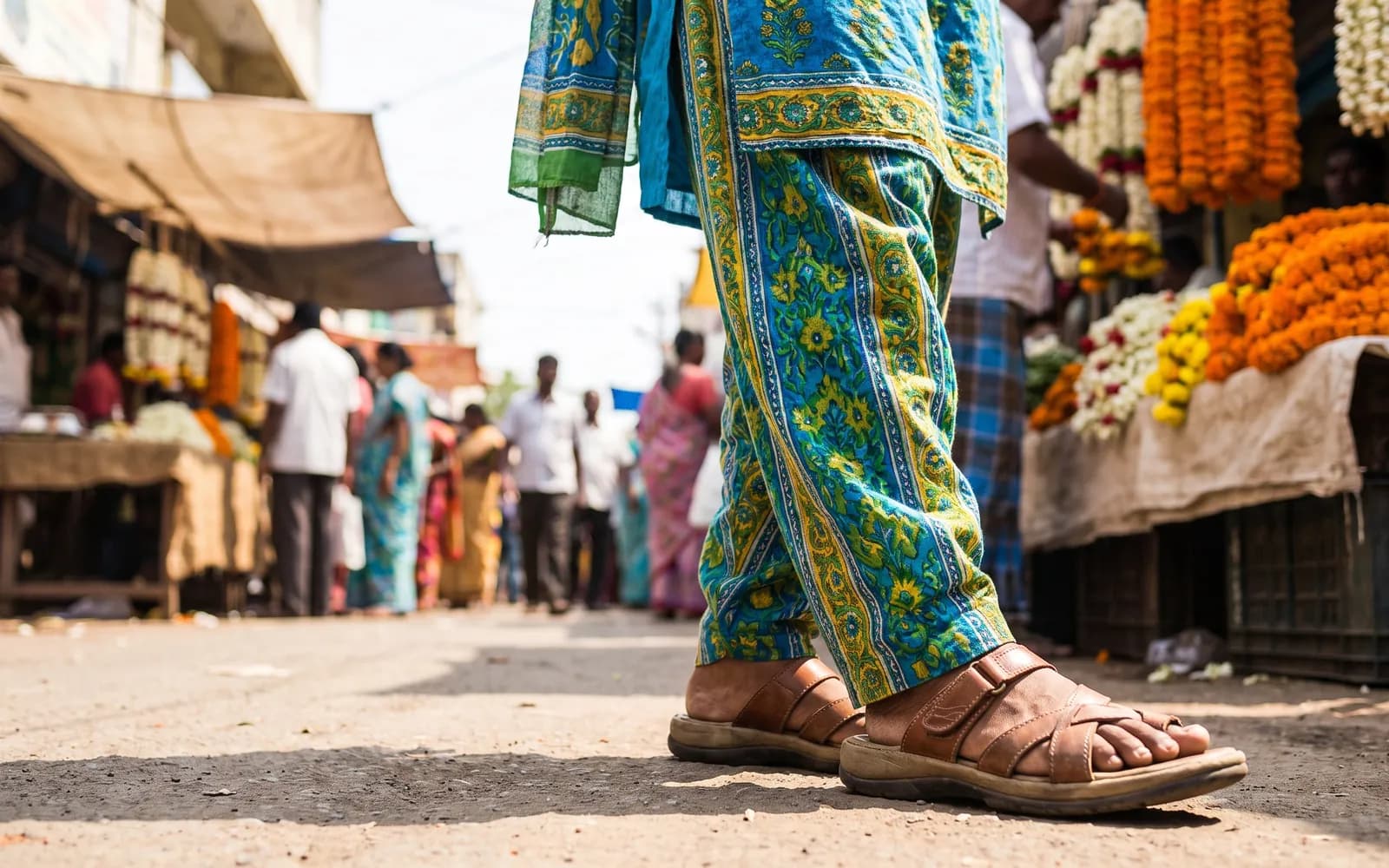
- Low, wide heel — stable and safe; avoid both high heels and paper-thin flats.
- Non-slip sole — wet bathrooms and kitchen floors are a real risk.
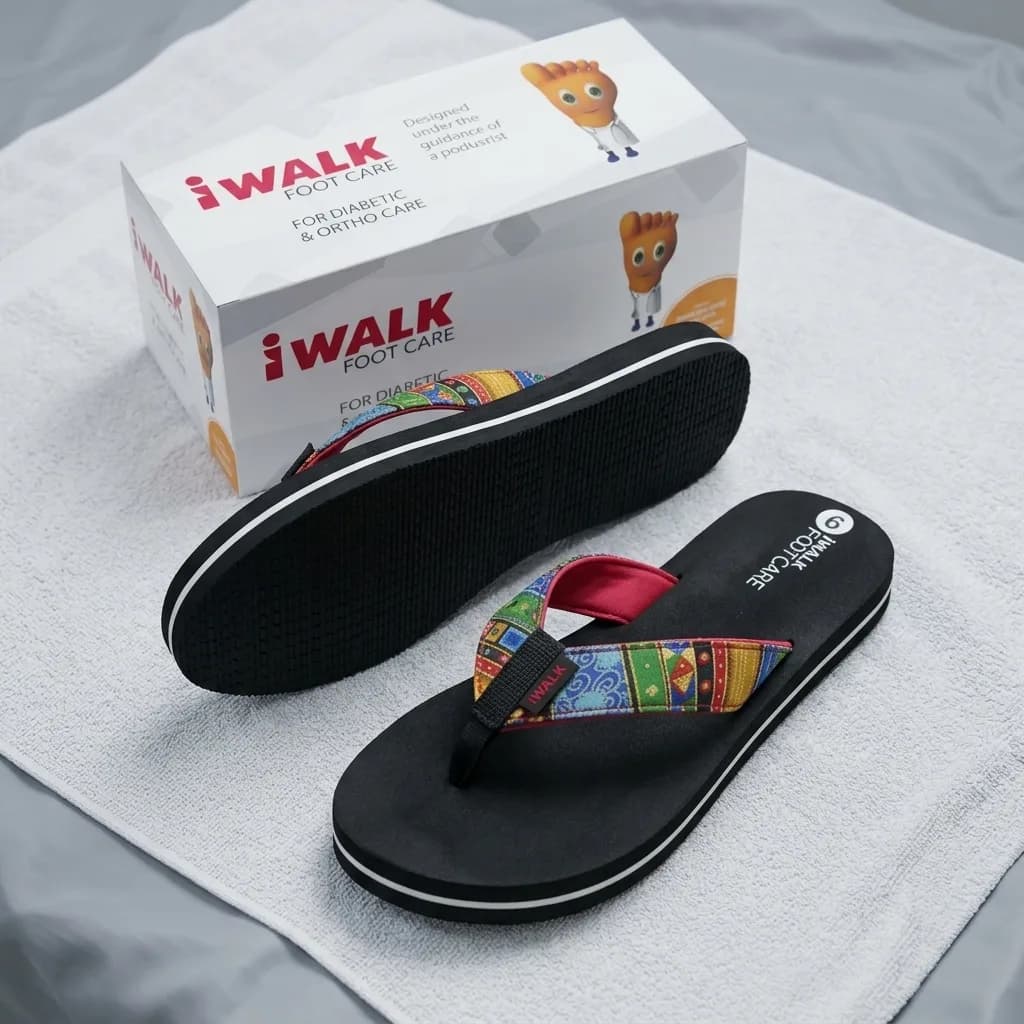
- Adjustable or stretchy straps — to accommodate swelling that changes through the day.
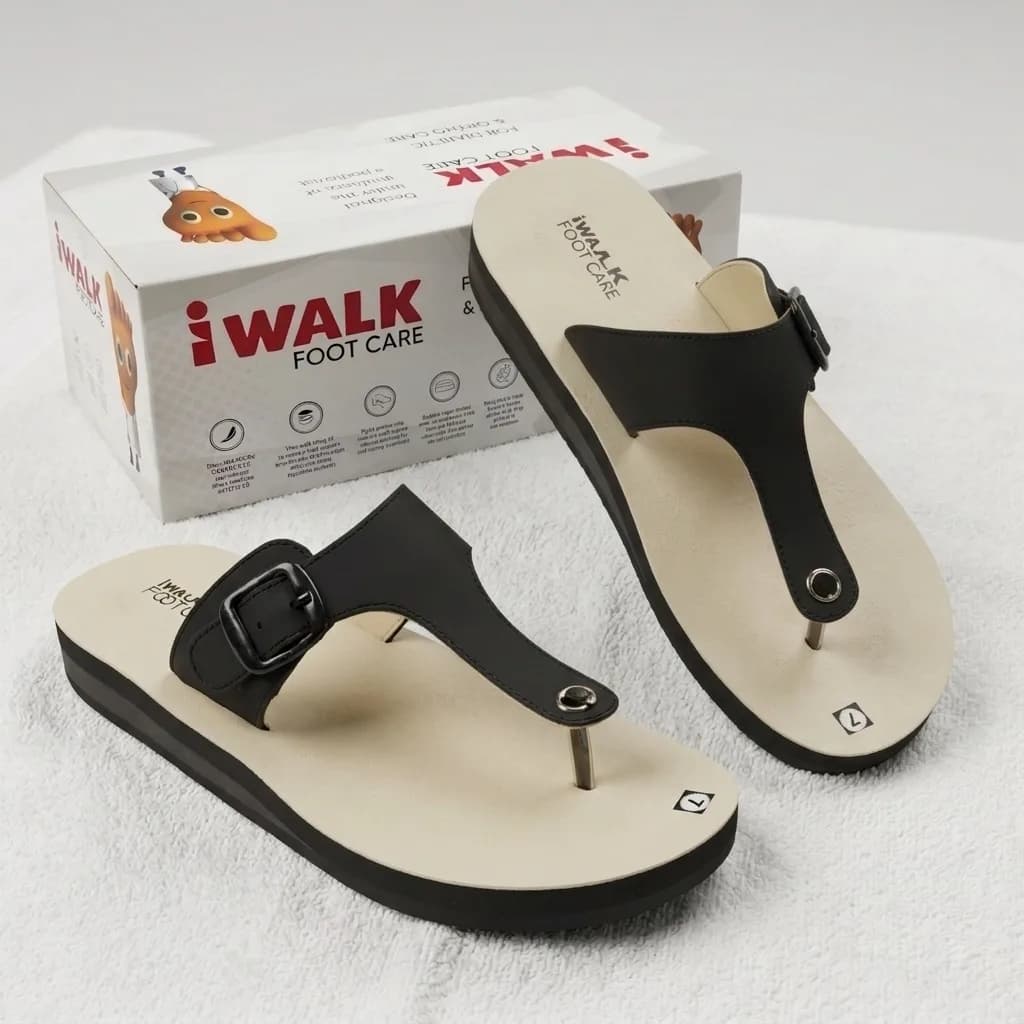
- Easy slip-on design — bending to fasten buckles gets harder each month.
- Light weight — tired legs will thank you.
What to avoid
- High heels and narrow shoes
- Flat, thin flip-flops with no support
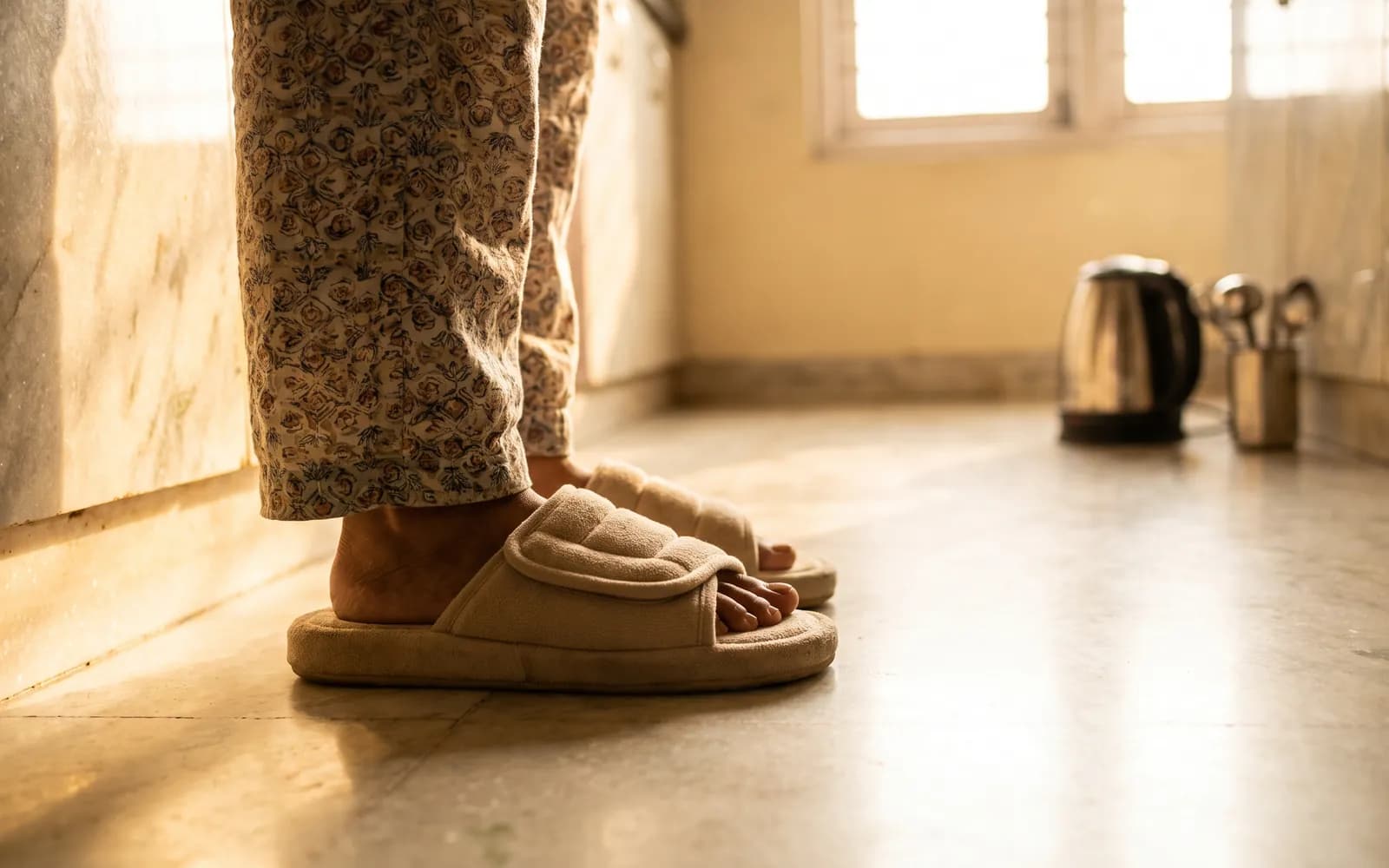
- Loose, backless slippers that can slip off on stairs
- Tight straps that leave marks
Tips for swollen feet in pregnancy
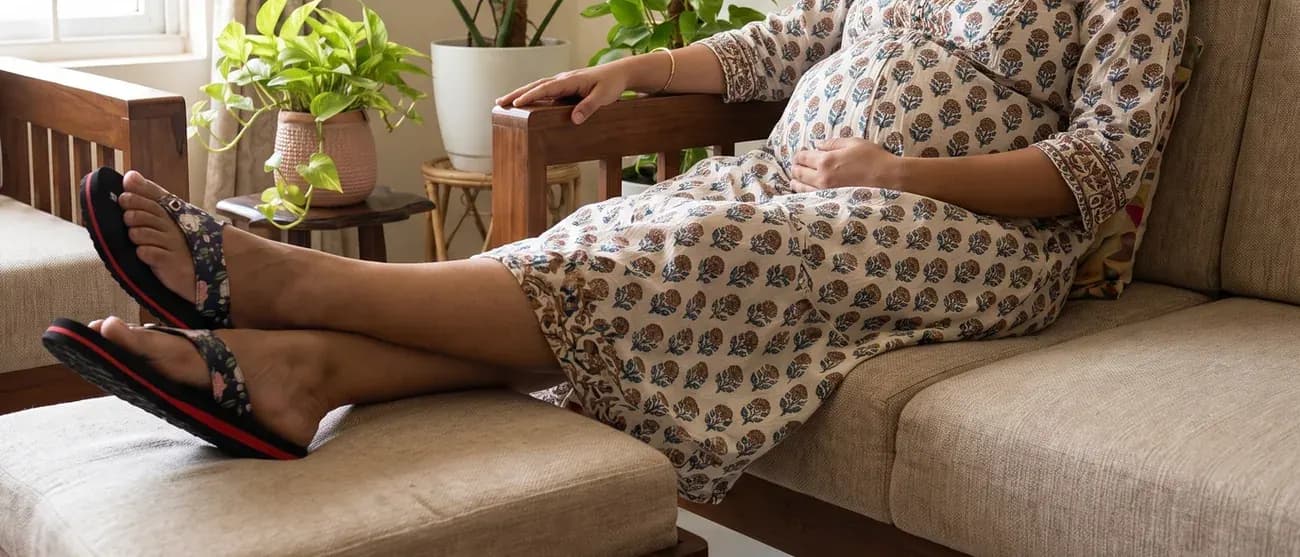
- Put your feet up several times a day.
- Avoid standing still for long periods; take short walks.
- Drink water as advised by your doctor.
- Rotate ankles and flex feet when sitting.
- Buy footwear in the evening and consider a half size larger for the third trimester.
Also see our guide on footwear for swollen feet.
Warning signs — call your doctor
Some swelling is normal, but contact your doctor immediately if you notice sudden swelling of the face, hands or feet, especially with headache, blurred vision or upper abdominal pain, or if one leg is more swollen, red or painful than the other.
Footwear through each trimester
- First trimester: your usual comfortable footwear may still work, but start avoiding high heels and switching to supportive sandals for long days.
- Second trimester: as weight and ligament laxity increase, choose a pair with proper arch support and a cushioned heel. Many women go up half a size.
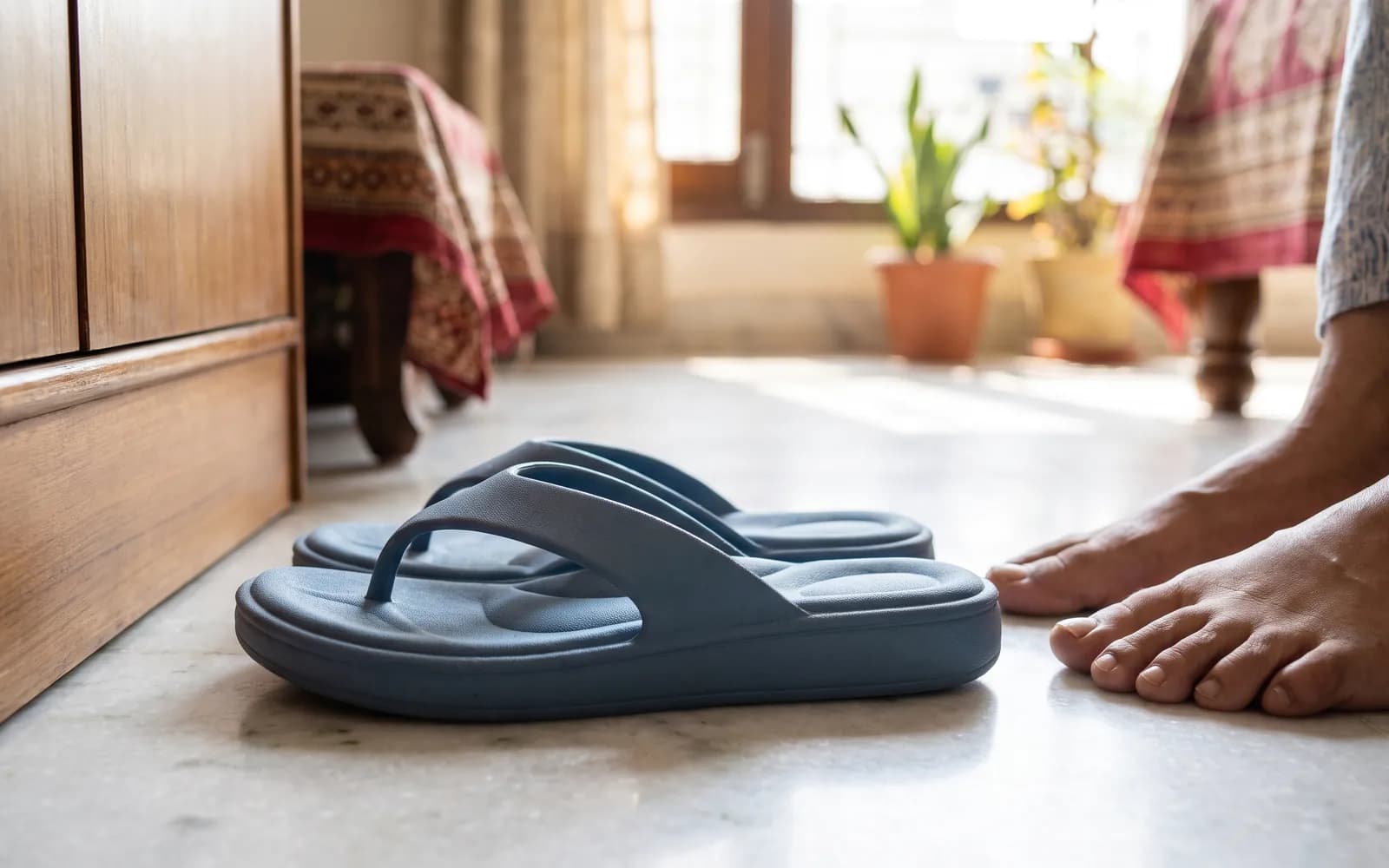
- Third trimester: swelling usually peaks — adjustable straps and easy slip-on designs matter most, because bending down becomes difficult. Keep a non-slip pair beside the bed for night-time bathroom trips.
After delivery
Feet don't always return to their previous shape straight away, and some women find their arches remain lower or their size changes slightly. Re-measure a few months after delivery before buying new footwear. Supportive footwear also helps during the long hours of standing, rocking and carrying a newborn.
Around the house
- Avoid walking barefoot on wet bathroom and kitchen floors.
- Use anti-skid mats in the bathroom.
- Keep a sturdy chair nearby for putting on footwear instead of balancing on one leg.
- Put your feet up during breaks — even ten minutes helps swelling.
Key takeaways
- Choose arch support + cushioned heel + low stable heel + grip + adjustable fit.
- Expect your size to change — re-measure.
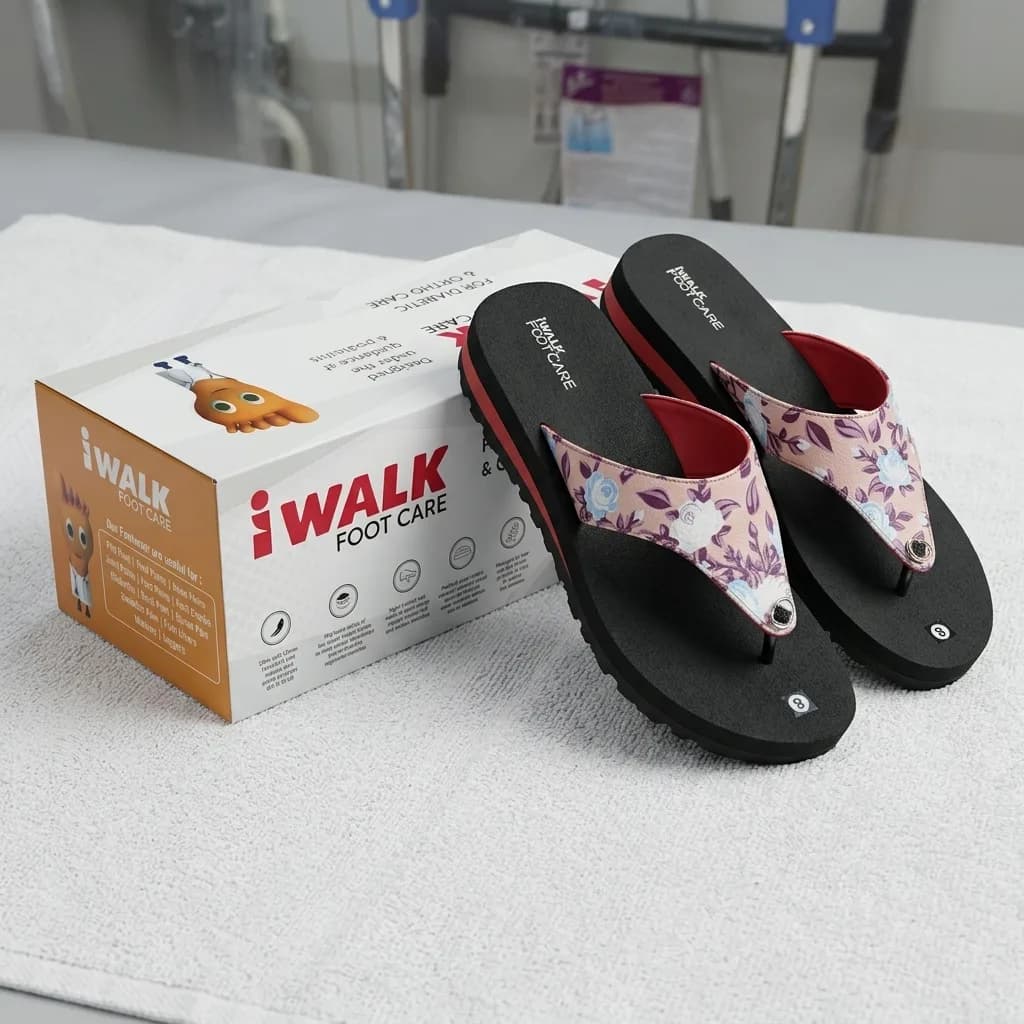
- Soft, supportive slippers like our flower-design orthopedic slippers are a favourite for home. Browse all women's footwear.
This article is general information and not a substitute for advice from your obstetrician.