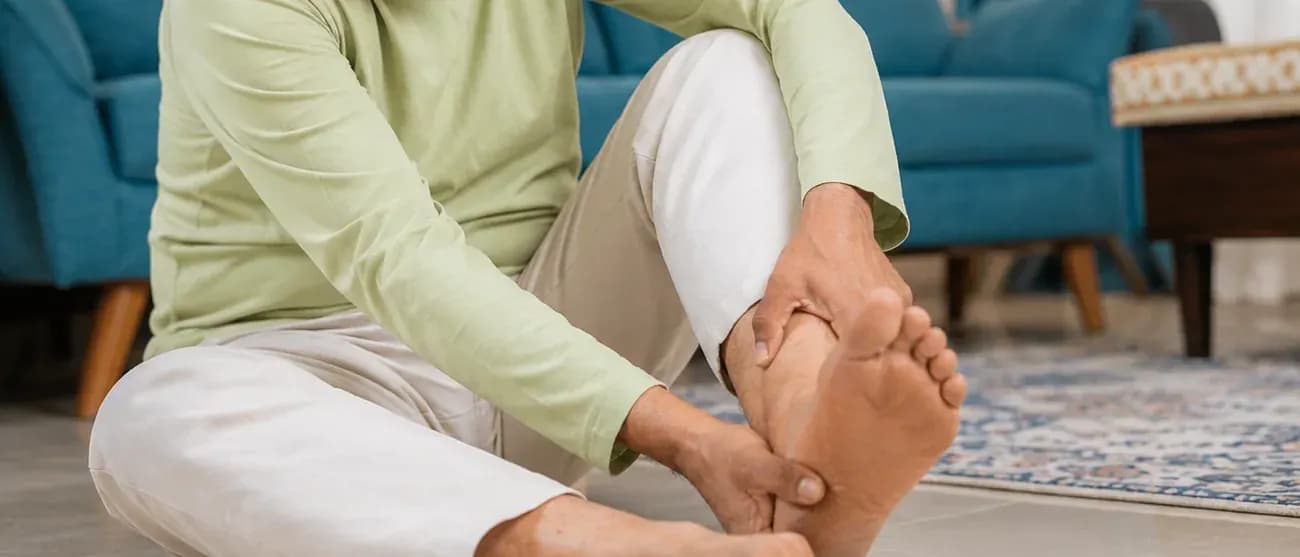
Chennai gets most of its rain from the northeast monsoon, roughly October to December. Waterlogged streets, muddy puddles and days of damp weather are hard on everyone's feet — and for people with diabetes, a small infection or unnoticed cut can quickly become serious.
Why the monsoon is risky for feet
- Constant moisture softens skin and encourages fungal infections (athlete's foot, nail fungus), especially between the toes.
- Floodwater can hide sharp objects and carries germs.
- Wet footwear rubs and causes blisters.
- Slippery surfaces increase fall risk.
The monsoon foot-care checklist
- Avoid walking through floodwater. If you must, wash your feet with soap and clean water as soon as you're home and dry them completely.
- Dry between the toes carefully every time your feet get wet. Use a soft towel; a fan helps.
- Change damp socks immediately and carry a spare pair.
- Let footwear dry fully before wearing it again — keep two pairs and alternate.
- Inspect your feet every evening for cuts, blisters, redness, peeling or itching.
- Treat itching or peeling early — ask your doctor or pharmacist for an appropriate antifungal; don't wait for it to spread.
- Don't cut nails too short and don't walk barefoot, even at home — floors stay damp for days.
- Moisturise heels, but never between the toes.
Choosing monsoon footwear
- Quick-drying uppers and footbeds — avoid leather footwear in heavy rain; it stays wet and can lose shape.
- Slip-resistant outsoles with deep grip.
- Open, strap-style sandals dry faster than closed shoes for short trips.
- Secure straps — so footwear doesn't slip off in water.
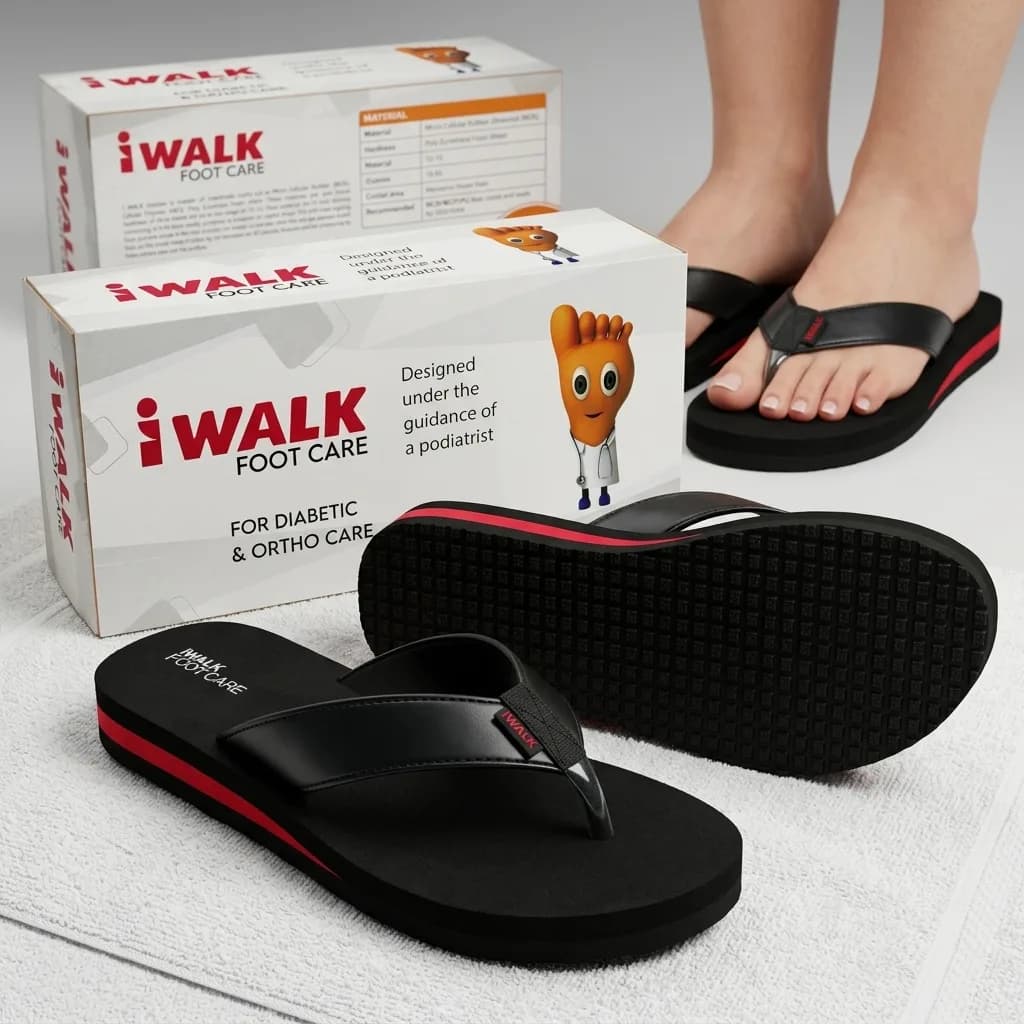
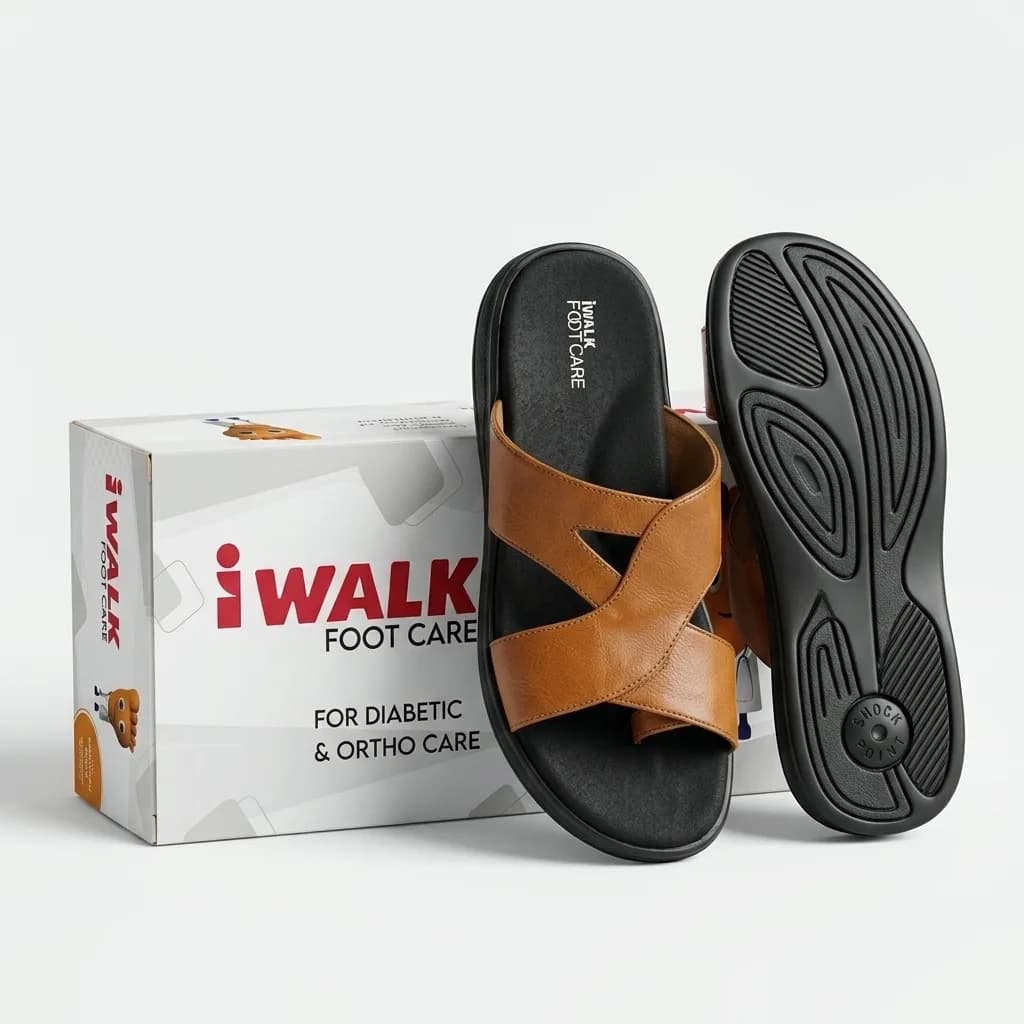
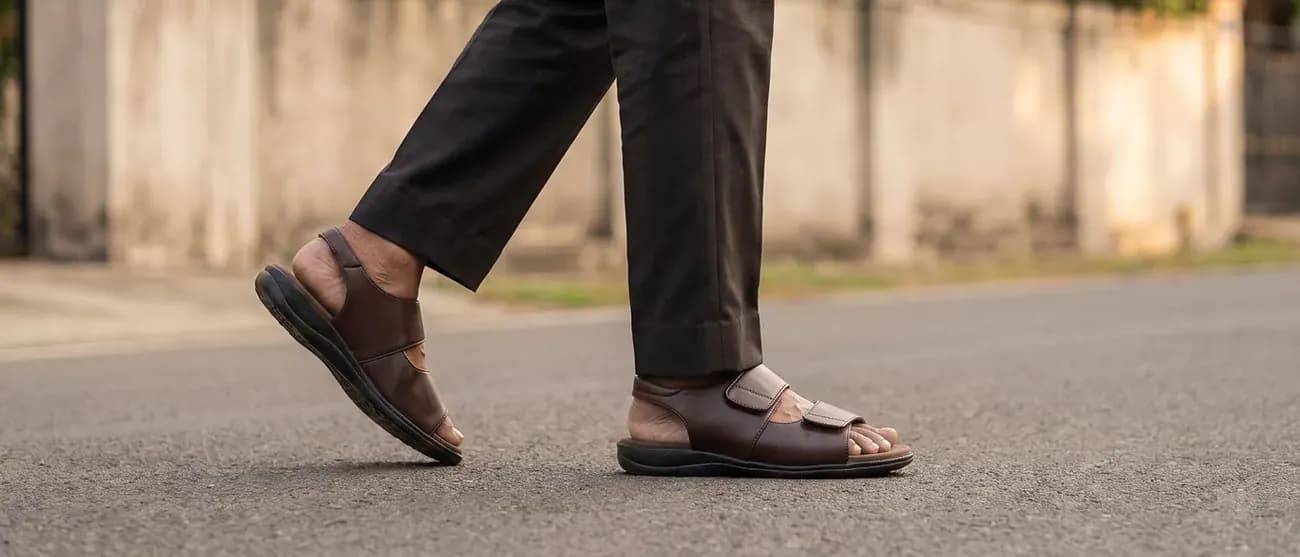
Our everyday orthopedic sandals for men and women (from around ₹700) make good monsoon pairs, so you can save leather footwear for dry days.
Diabetes: when to see a doctor
See a doctor promptly for any cut, blister or wound that isn't healing, redness or swelling that is spreading, pus, a bad smell, or fever. With diabetes, don't try to "wait and see" during the monsoon.
A monsoon foot-care kit
Keep these ready from October:
- A spare pair of quick-drying footwear
- Two or three pairs of cotton socks to rotate
- A small towel in your bag for drying feet at work
- Mild soap and a separate foot towel at home
- An antiseptic and clean dressings for small cuts (and your doctor's number)
- Newspaper to stuff inside wet footwear so it dries faster
Caring for your footwear in the rain
- Rinse off mud and dirty water as soon as you get home.
- Remove the footbed if it's removable, and dry both parts separately.
- Dry in a well-ventilated shady spot — not directly on a heater or in harsh sun.
- Don't wear a pair that is still damp inside; alternate with a dry pair.
At work and at the temple
- If your workplace floors are wet, keep a dry indoor pair at your desk.
- At temples, keep your footwear on until the last moment and walk carefully on wet stone floors. Wash and dry your feet properly afterwards.
Signs of a fungal foot infection
Watch for these, especially between the toes and on the soles:
- Itching, burning or stinging
- White, soggy or peeling skin between the toes
- Cracks or small blisters
- Thick, discoloured or crumbly toenails
- A persistent odour
Treat early — fungal infections spread more easily in warm, damp conditions, and cracked skin can let bacteria in. People with diabetes should show any skin break or infection to their doctor rather than self-treating for long.
Key takeaways
- Keep feet clean and dry, especially between the toes.
- Alternate footwear and let pairs dry fully.
- Inspect your feet daily. Read our diabetic foot care tips and neuropathy guide.