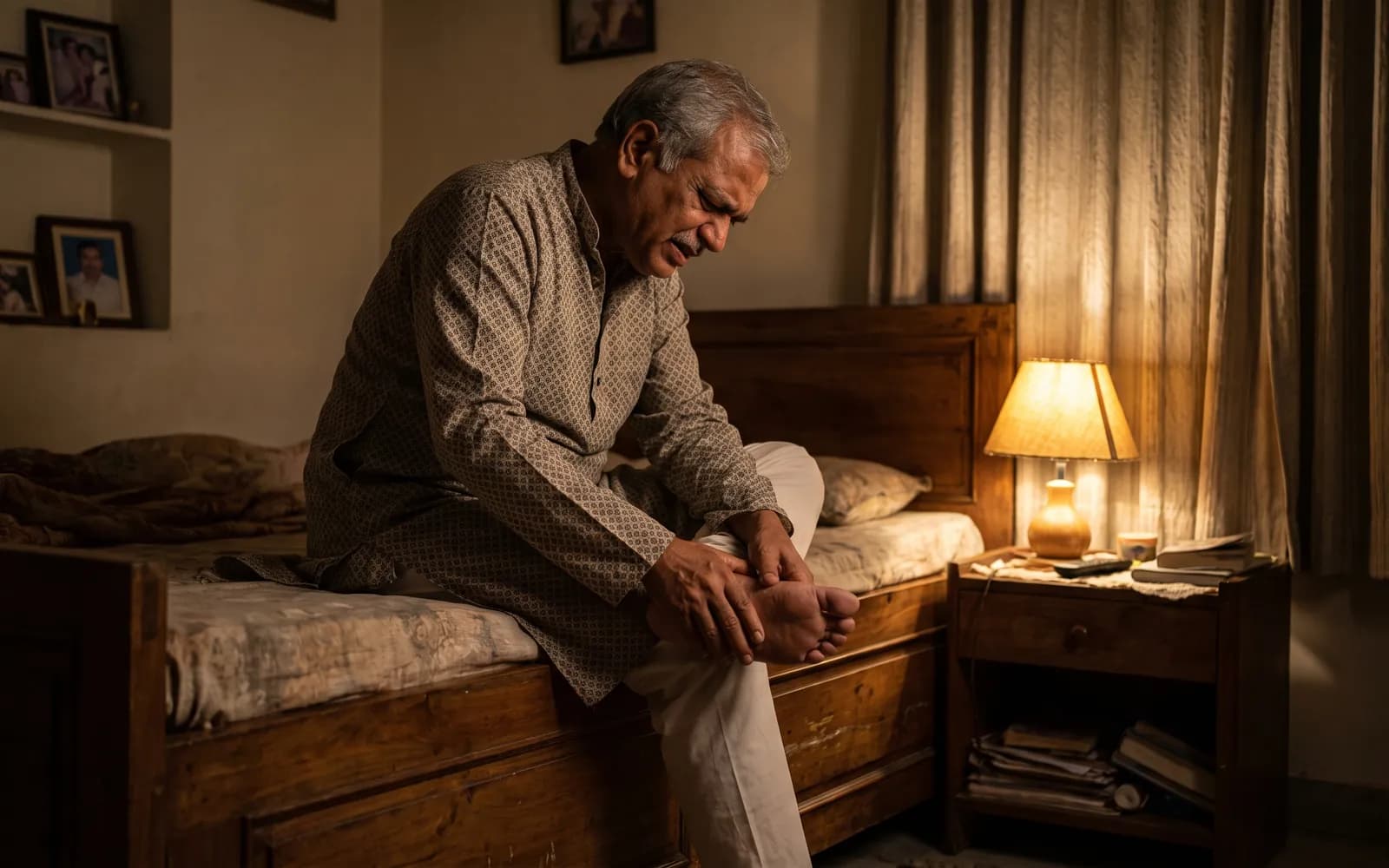
Most serious diabetic foot problems start small — a crack in the heel, a blister from a new chappal, a nail cut too deep. With diabetes, reduced sensation means these can go unnoticed, and slower healing means they can get worse quickly. The good news: a short daily routine prevents most of them. Share this checklist with a family member, especially if you care for an elderly parent.
Check your feet every day
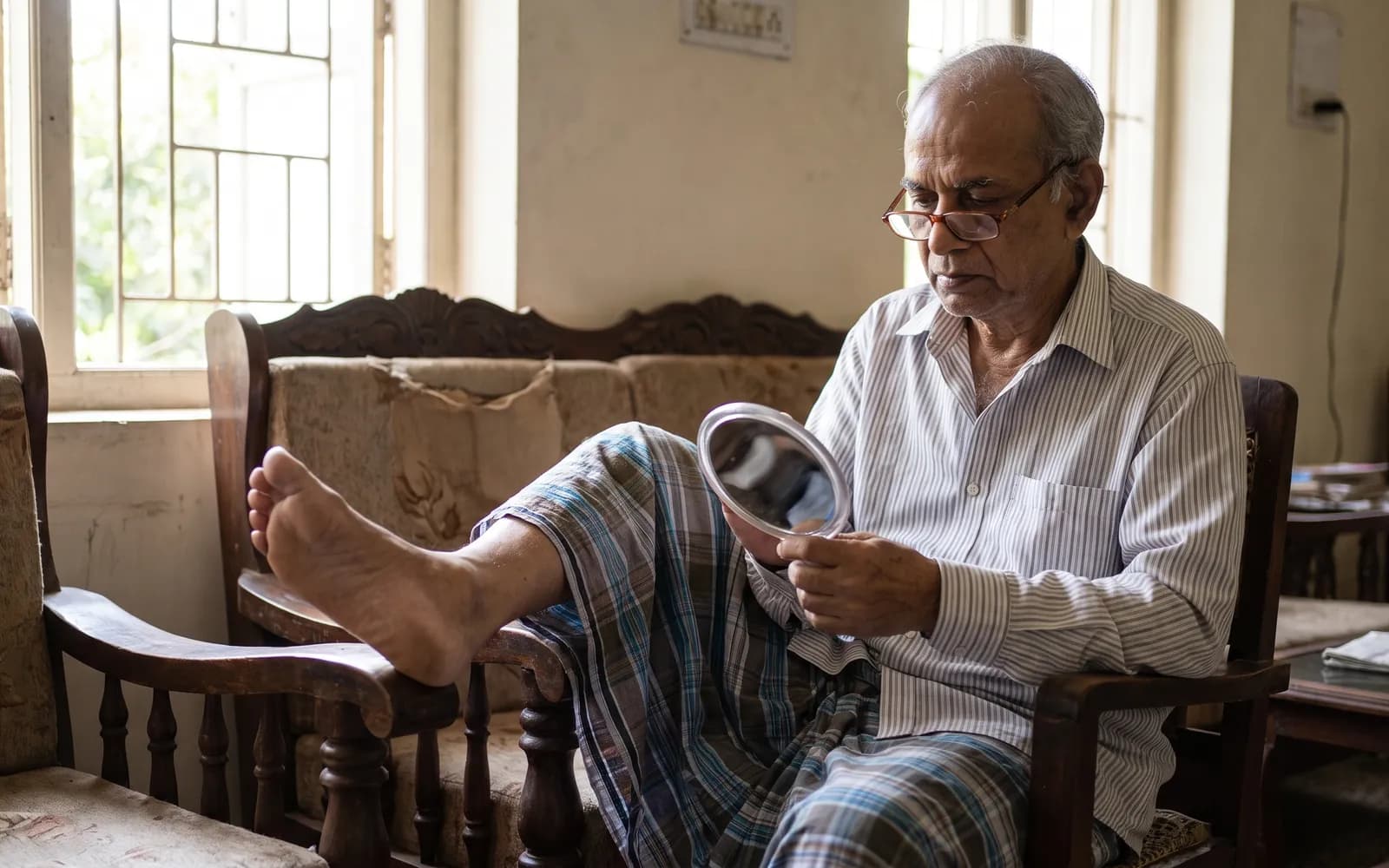
1. Look at both feet daily — tops, soles, heels and between the toes. Look for cuts, blisters, redness, swelling, cracks or colour changes. Use a mirror or ask a family member if bending is difficult.
2. Feel for warmth. One area that is noticeably warmer than the same spot on the other foot can be an early sign of inflammation.
Wash and dry carefully
3. Wash feet daily in lukewarm water with mild soap. Test the water with your elbow or a thermometer first — not your feet, which may not sense heat properly.
4. Dry thoroughly, especially between the toes. Trapped moisture in Chennai's humidity encourages fungal infection.
5. Moisturise the heels and soles to prevent cracks, but not between the toes.
Nails, corns and calluses
6. Trim nails straight across after a bath when they're soft, and file sharp edges. If your eyesight is weak or nails are thick, ask a podiatrist or family member.
7. Never cut corns or calluses yourself with blades, and avoid chemical corn plasters — they can cause wounds. Show them to your doctor.
Footwear habits
8. Never walk barefoot — not at home, not on the terrace, not at the beach. Stones, pins and hot floors are common causes of injury.
9. Shake out and check your footwear before wearing it. A small pebble can cause a wound you may not feel.
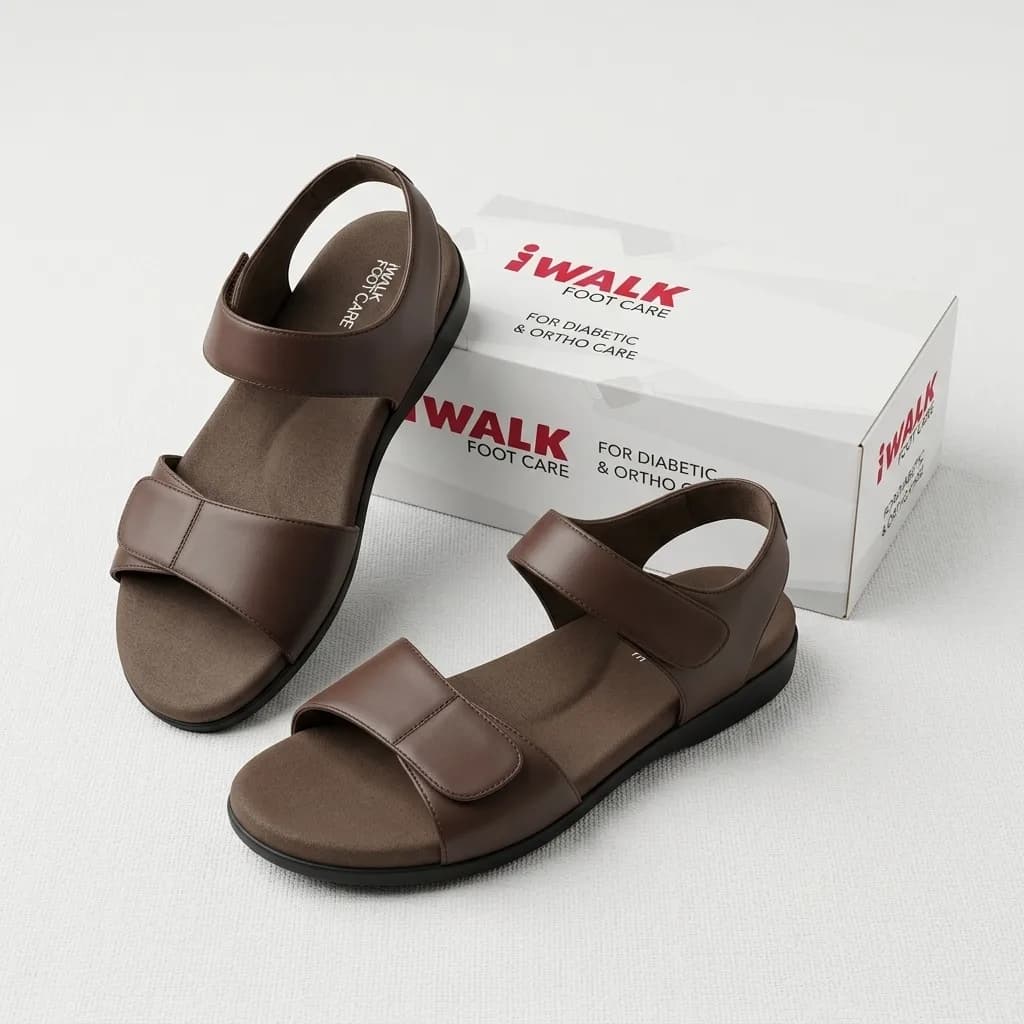
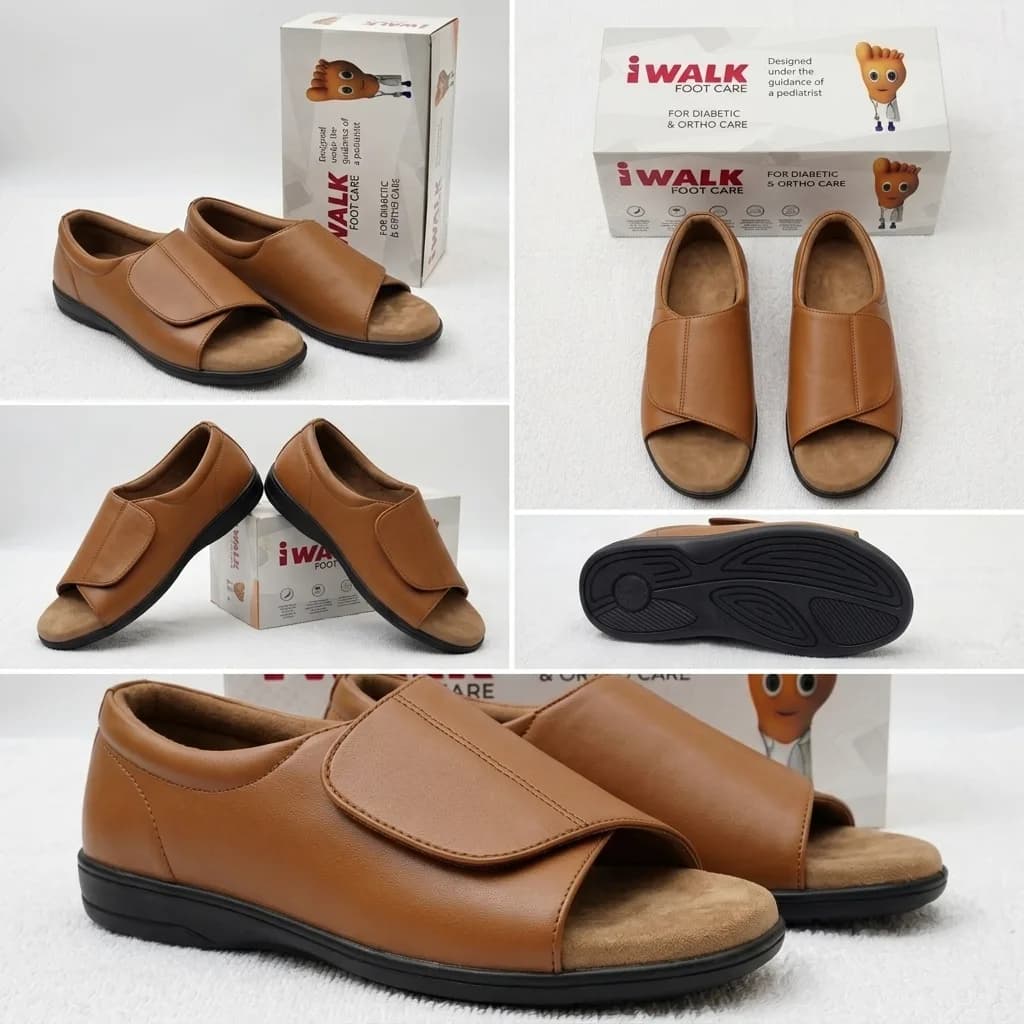
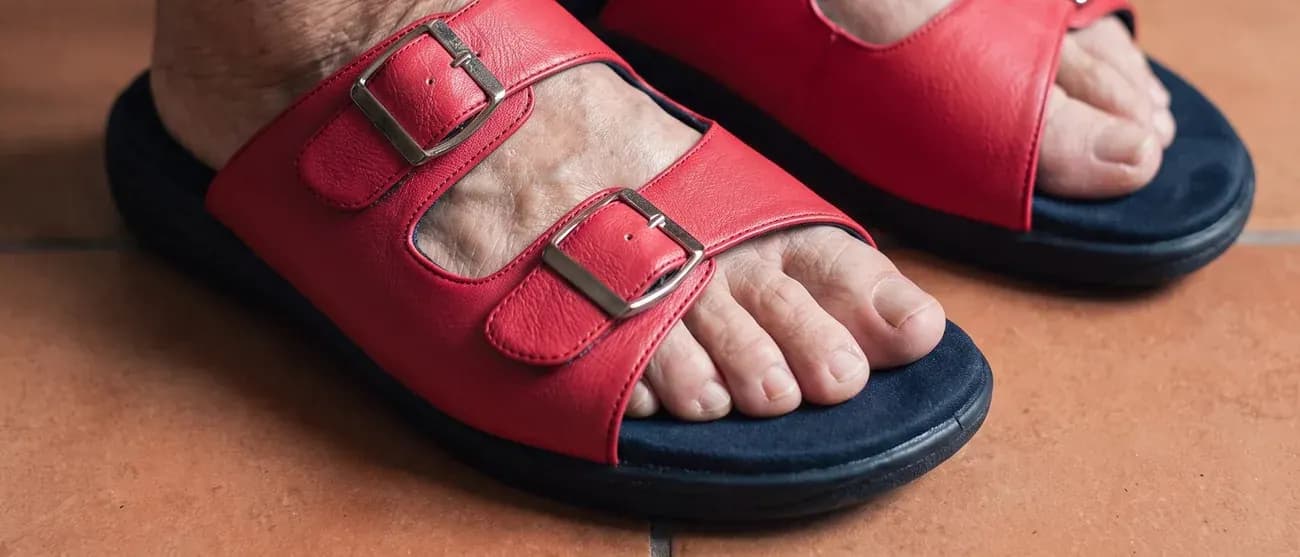
10. Wear well-fitting diabetic footwear with a cushioned footbed, soft lining and adjustable straps. See our diabetic footwear buying guide for what to look for.
11. Wear clean, seamless cotton socks with closed shoes, and change them daily or when damp.
Keep the bigger picture in check
12. Keep blood sugar, blood pressure and cholesterol under control, and don't smoke. Good control helps circulation and healing. Get your feet examined by a doctor at least once a year.
Warning signs: see a doctor promptly
Contact your doctor without delay if you notice:
- A wound, blister or cut that isn't healing within a few days
- Redness, warmth or swelling that is spreading
- Pus, a bad smell or discolouration
- New numbness, tingling or burning — see our guide to diabetic neuropathy and feet
- A change in foot shape
A simple 5-minute evening routine
- Sit down in good light and remove footwear and socks.
- Look at the tops, soles, heels and between each toe — use a mirror or a family member's help.
- Wash in lukewarm water (test with your elbow), then pat dry, especially between the toes.
- Moisturise heels and soles, not between toes.
- Check tomorrow's footwear — shake it out and feel inside for anything sharp.
Doing this at the same time every day — after dinner or before bed — turns it into a habit that takes less time than brushing your teeth.
A diabetic foot-care kit for the home
Keep these together in one box so the routine is easy:
- A long-handled mirror for checking soles
- A soft towel kept only for feet
- A mild, fragrance-free moisturiser
- Straight-edged nail clippers and a nail file
- Clean cotton socks without tight elastic
- A bath thermometer
- Your doctor's phone number for anything unusual
For family members and caregivers
If you look after an elderly parent with diabetes, offer to do the daily check together. Many older people can't see or reach their soles, and small wounds are easily missed. Gentle reminders about footwear at home — especially at night — prevent many injuries.
Key takeaways
- Look, wash, dry, moisturise — every day.
- No barefoot walking, and check footwear before wearing.
- Choose footwear that protects: diabetic sandals and shoes for men and for women.
This article is general guidance and not a substitute for advice from your doctor or podiatrist.