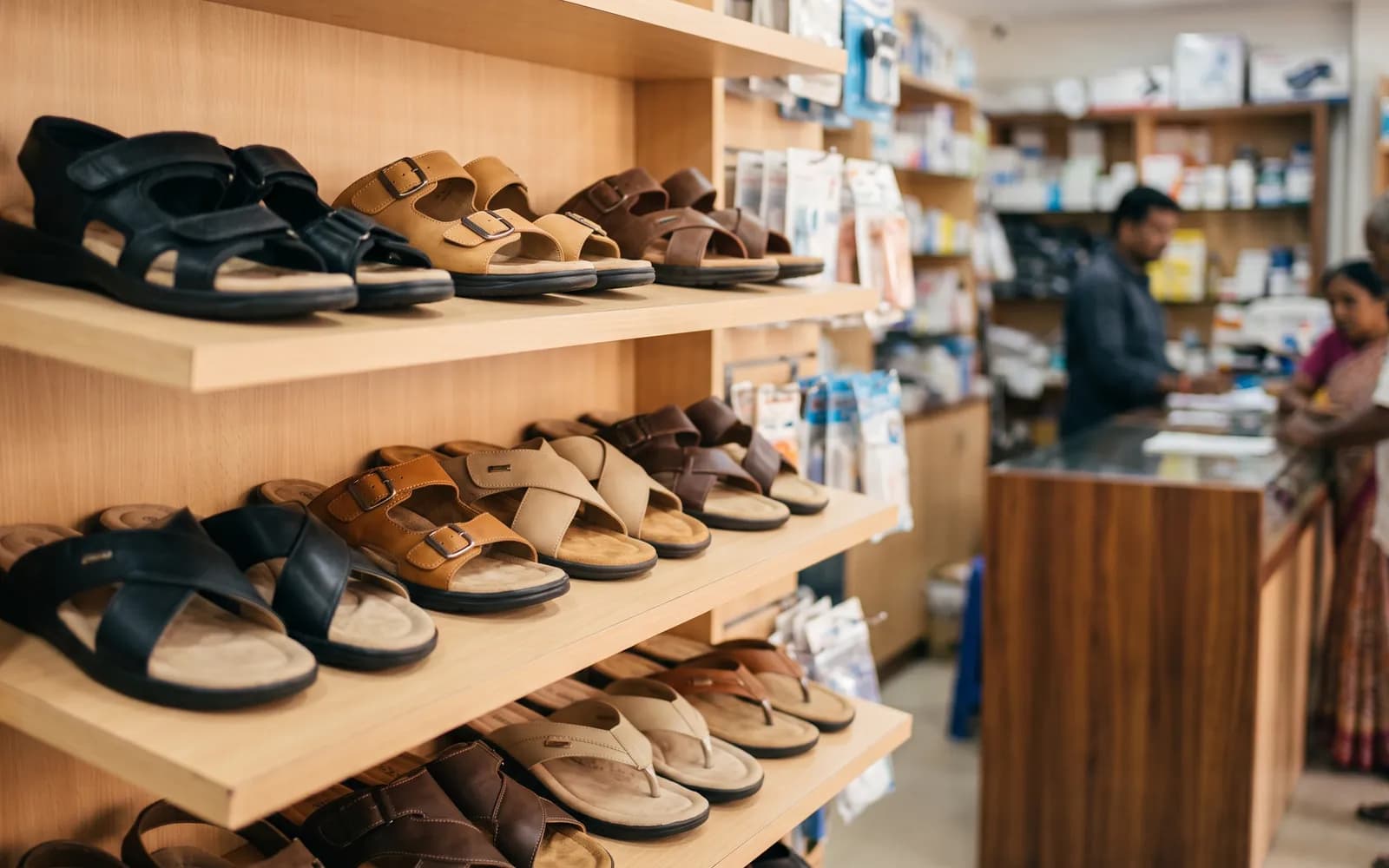
Many people assume genuine orthopedic or diabetic footwear costs several thousand rupees. In reality, good everyday pairs start well under ₹1,000, and most of our diabetic sandals sit between ₹1,500 and ₹2,000. Here's what changes as the price goes up — and how to pick the right pair for your feet and budget. (Prices are approximate at the time of writing; the product cards on this page always show current prices.)
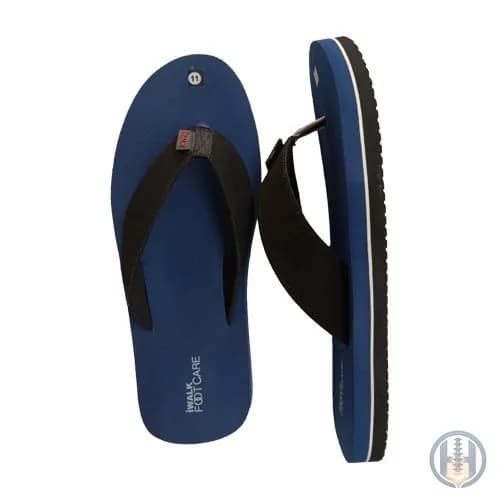
Around ₹700–₹800: everyday orthopedic flip-flops and slippers
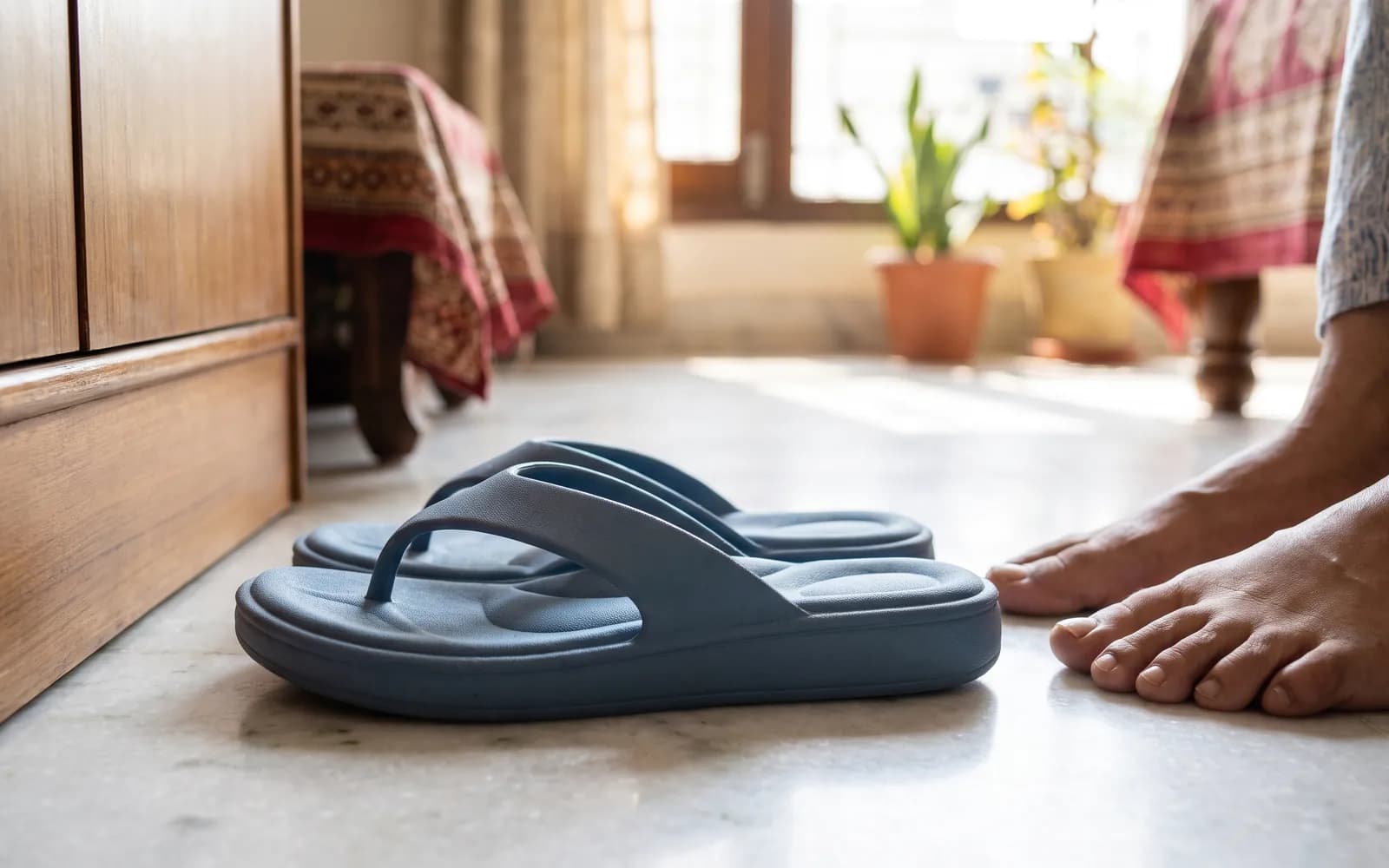
What you get: an arch-support MCP footbed, a cushioned sole and a simple, light design — usually a thong or flip-flop style.
Best for: home use, short errands, flat feet, people moving up from hard rubber slippers.
Examples: the AJM 800 for men (flat-feet friendly, non-slip sole) and the AJL 430 for women.
Note: toe-post designs aren't ideal for people with diabetes or neuropathy — the post can rub (why).
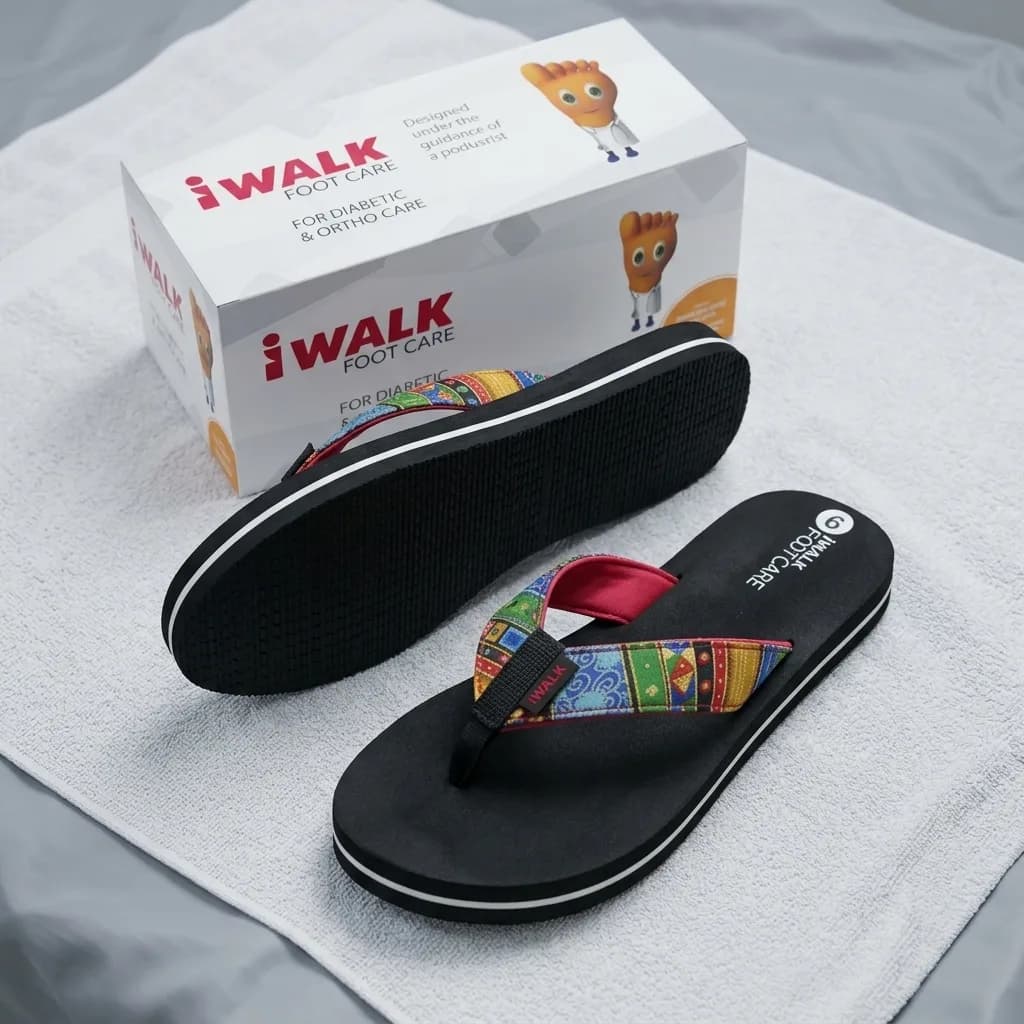
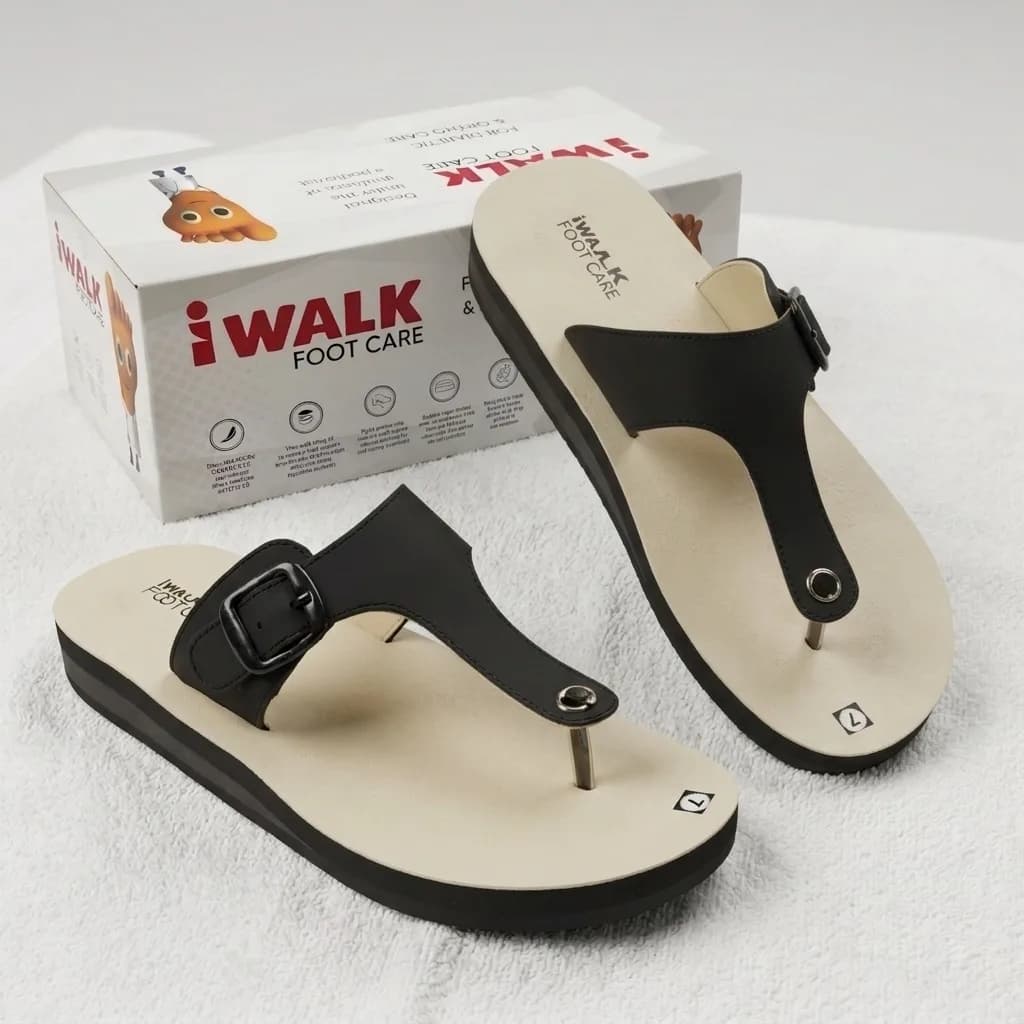
Around ₹1,000–₹1,300: strap sandals for daily wear
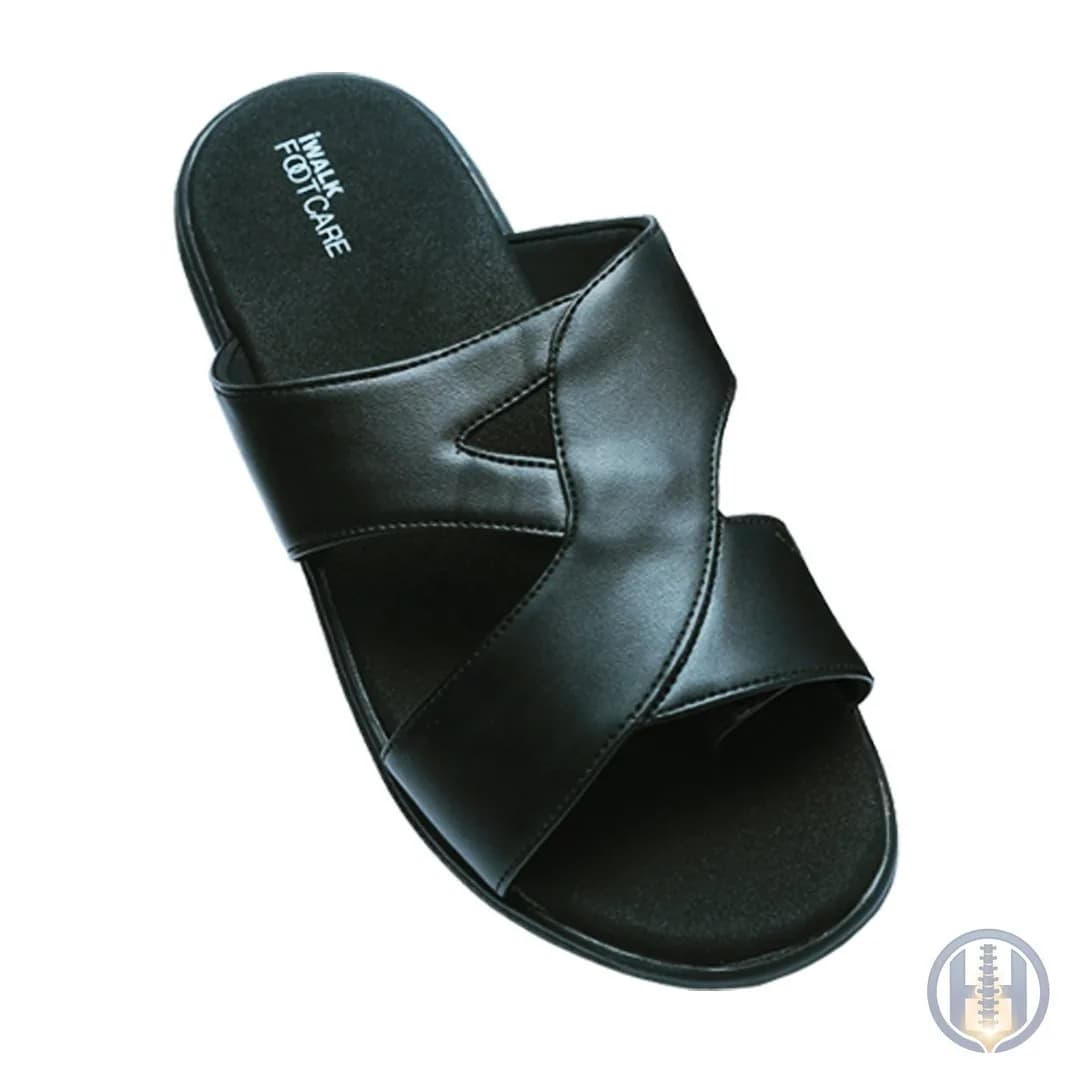
What you get: buckle or designer straps, a soft upper, MCP footbed and a slightly more structured sole.
Best for: daily outdoor wear, office and functions for women, mild heel or arch pain.
Examples: the AJL 510 and AJL 444 for women.
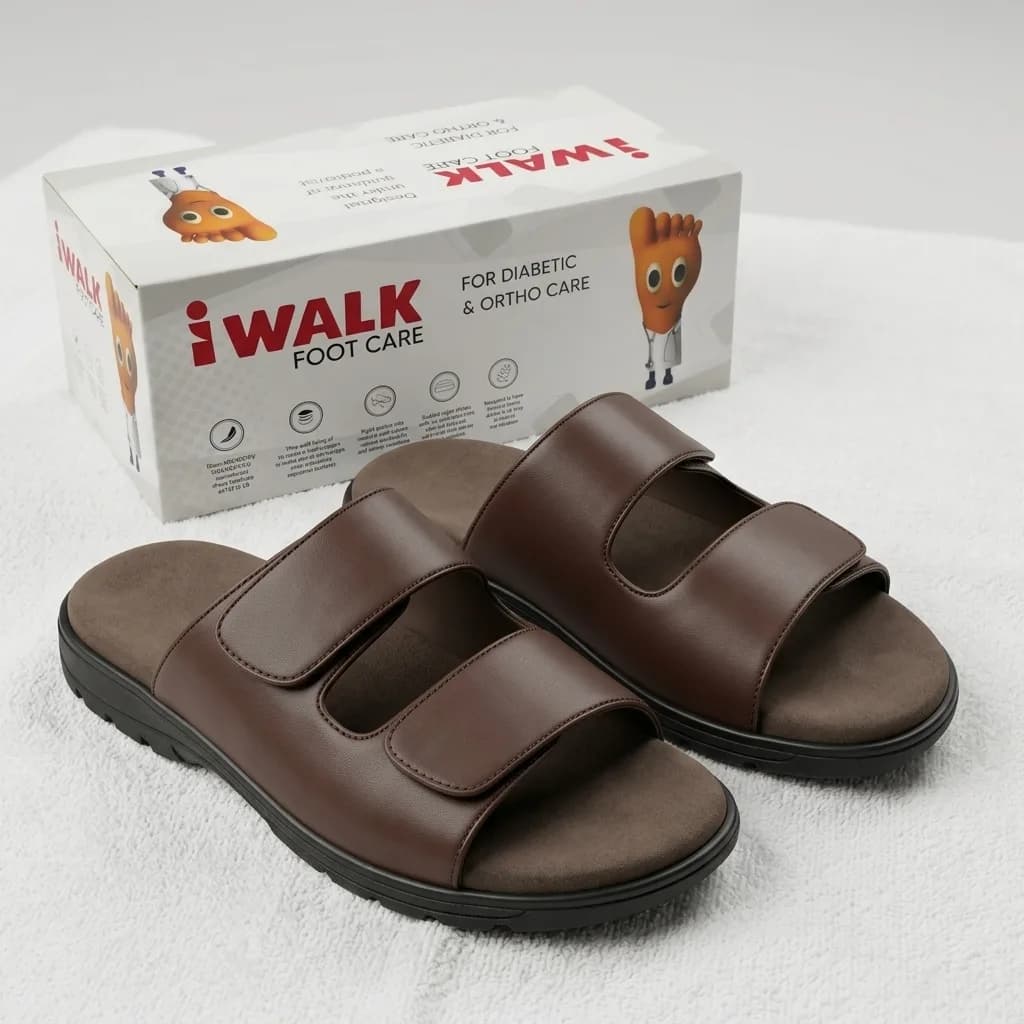
Around ₹1,500–₹2,000: diabetic and ortho-diabetic sandals
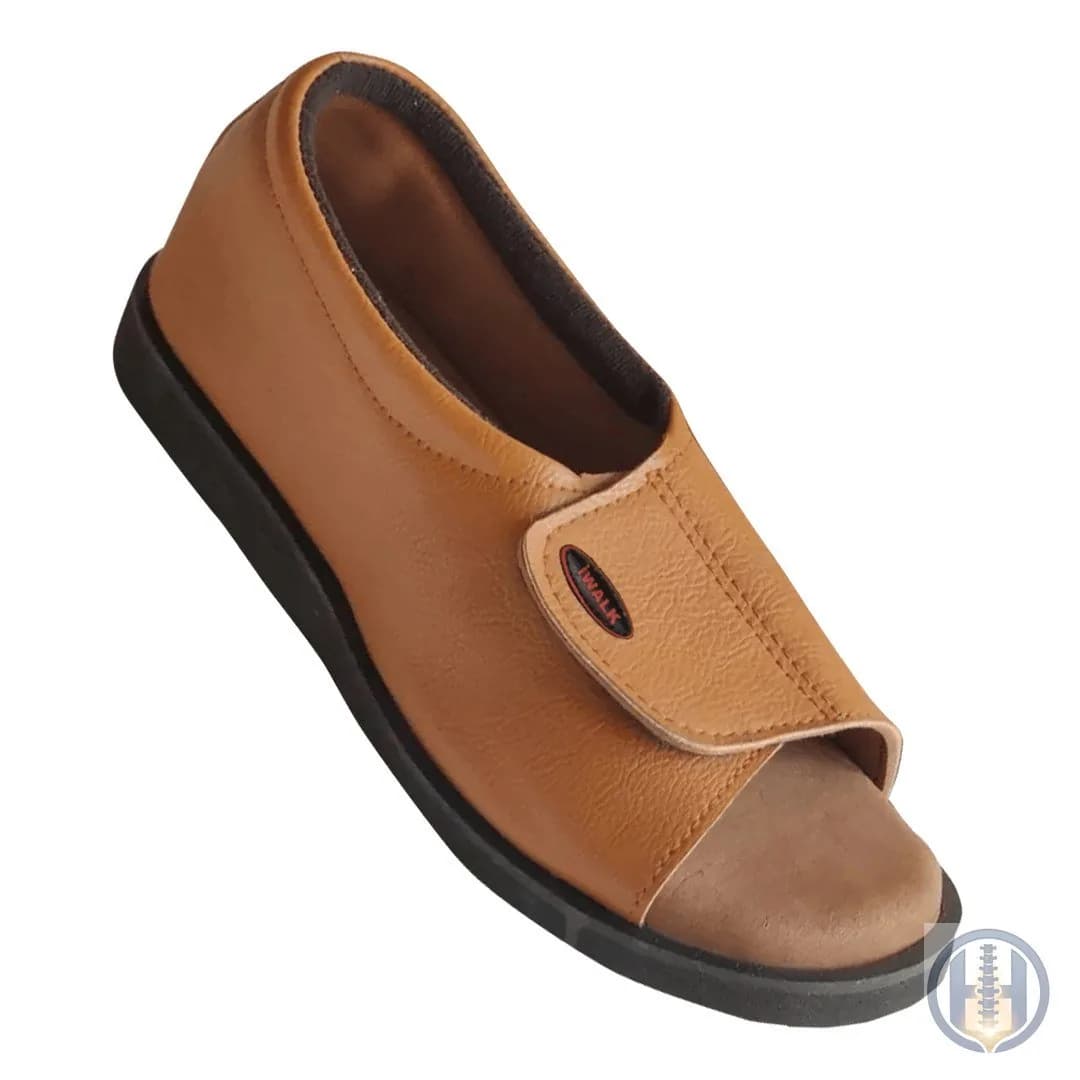
What you get: the full set of diabetic features — Micro Touch soft linings, roomy toe box, adjustable velcro or buckles, deeper cushioning and arch support.
Best for: diabetes, neuropathy, swollen feet, heel spur, bunions and all-day wear.
Examples: the AJM 08 and AJM 12 for men, the AJL Majestic for women.
Above ₹2,000: leather and walking shoes
Leather ortho-diabetic shoes and cushioned walking shoes (around ₹3,500–₹4,800) suit office wear, formal occasions and daily exercise walks.
How to spend wisely
- Match the price tier to your condition, not just your budget. Diabetic feet need the diabetic features in the ₹1,500–₹2,000 range.
- Two pairs beat one expensive pair — a supportive home sandal plus an outdoor pair covers most needs.
- Avoid cheap "soft" imitations — very soft footwear without structure can make pain worse (MCR vs MCP explained).
- Look at cost per day — a ₹1,600 pair worn daily for a year costs under ₹5 a day.
Quick picks by need
| Need | Price range | Style |
|---|---|---|
| Home use, flat feet | ~₹700–₹800 | Orthopedic flip-flop |
| Daily outdoor, women | ~₹1,000–₹1,300 | Strap sandal |
| Diabetes / swelling | ~₹1,500–₹2,000 | Velcro diabetic sandal |
| Office / formal | ~₹3,500–₹4,800 | Leather shoe |
| Exercise walks | ~₹3,900 | Walking shoe |
What you should never compromise on — at any price
Whatever your budget, make sure the pair has:
- A contoured, cushioned footbed (MCP), not a flat rubber sheet
- Some arch support you can see from the side
- A secure fit — straps or a back that keep the heel in place
- Enough toe room — no pressure on the sides or tops of toes
- A grippy sole for wet floors
A cheaper pair with these basics is far better than an expensive fashion sandal without them.
Where your money goes in a pricier pair
As you move up the price range you typically pay for softer linings (better for sensitive or diabetic skin), more adjustability (velcro or multiple buckles for swelling), deeper cushioning, premium materials such as leather, and closed designs that protect the toes.
Ordering on a budget
- Choose Cash on Delivery if you prefer to pay when the parcel arrives.
- Check the shipping charge at checkout before paying.
- Measure your feet first to avoid exchanges (measuring guide).
- Ask us on WhatsApp for the best option within your budget for your specific concern — heel pain, diabetes, swelling or flat feet.