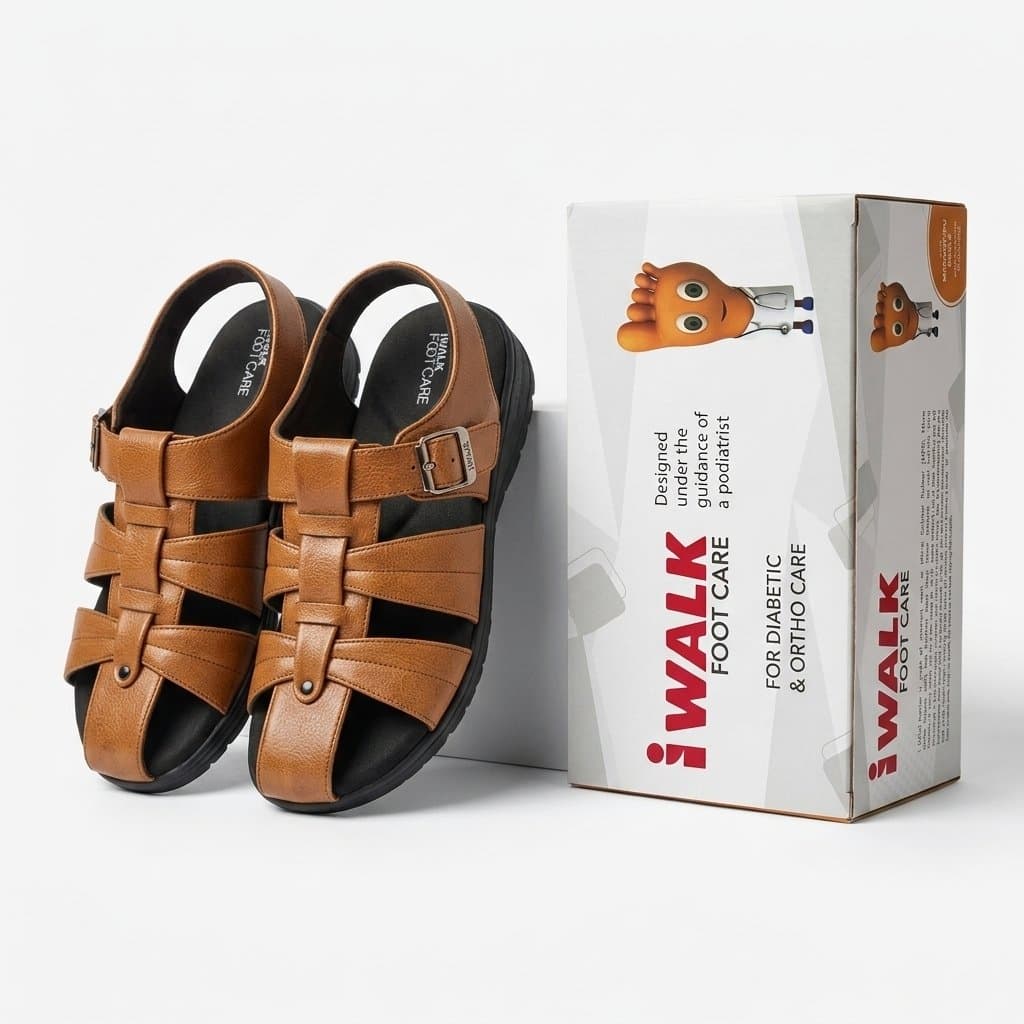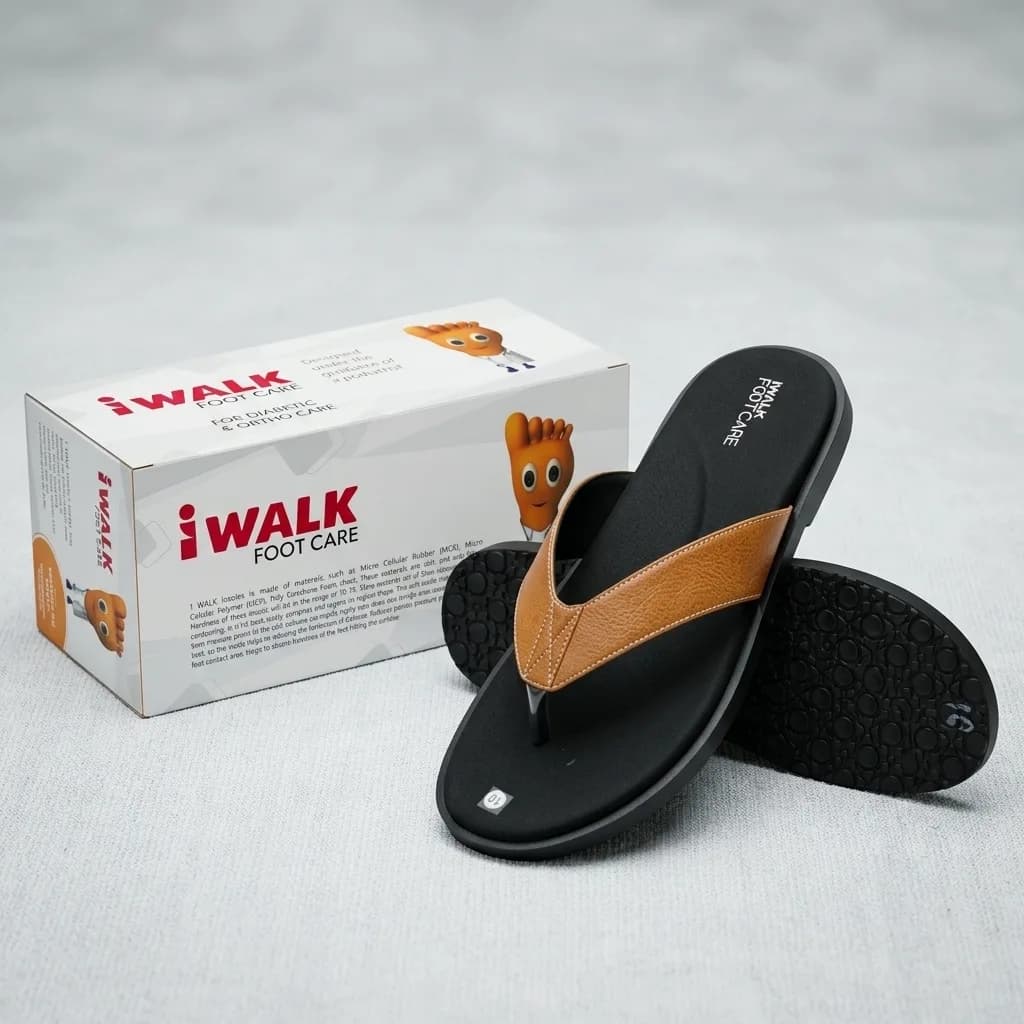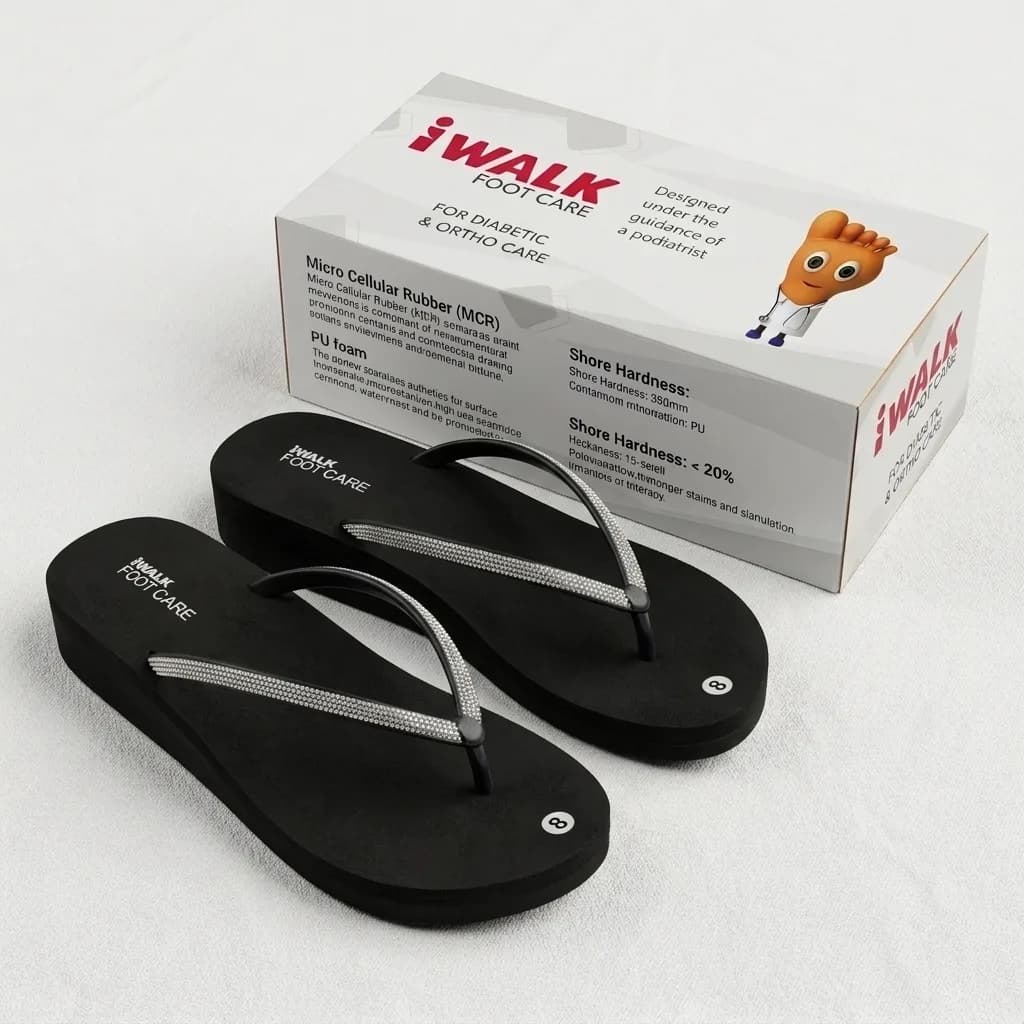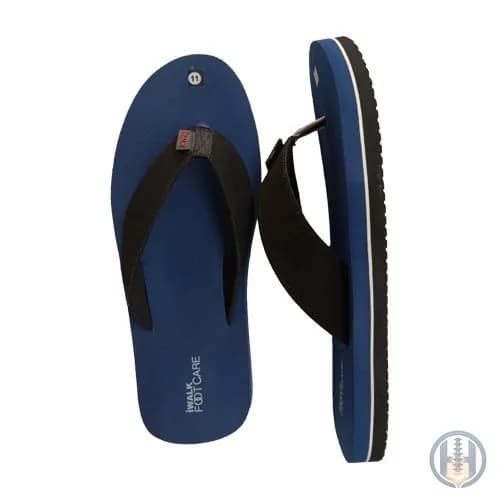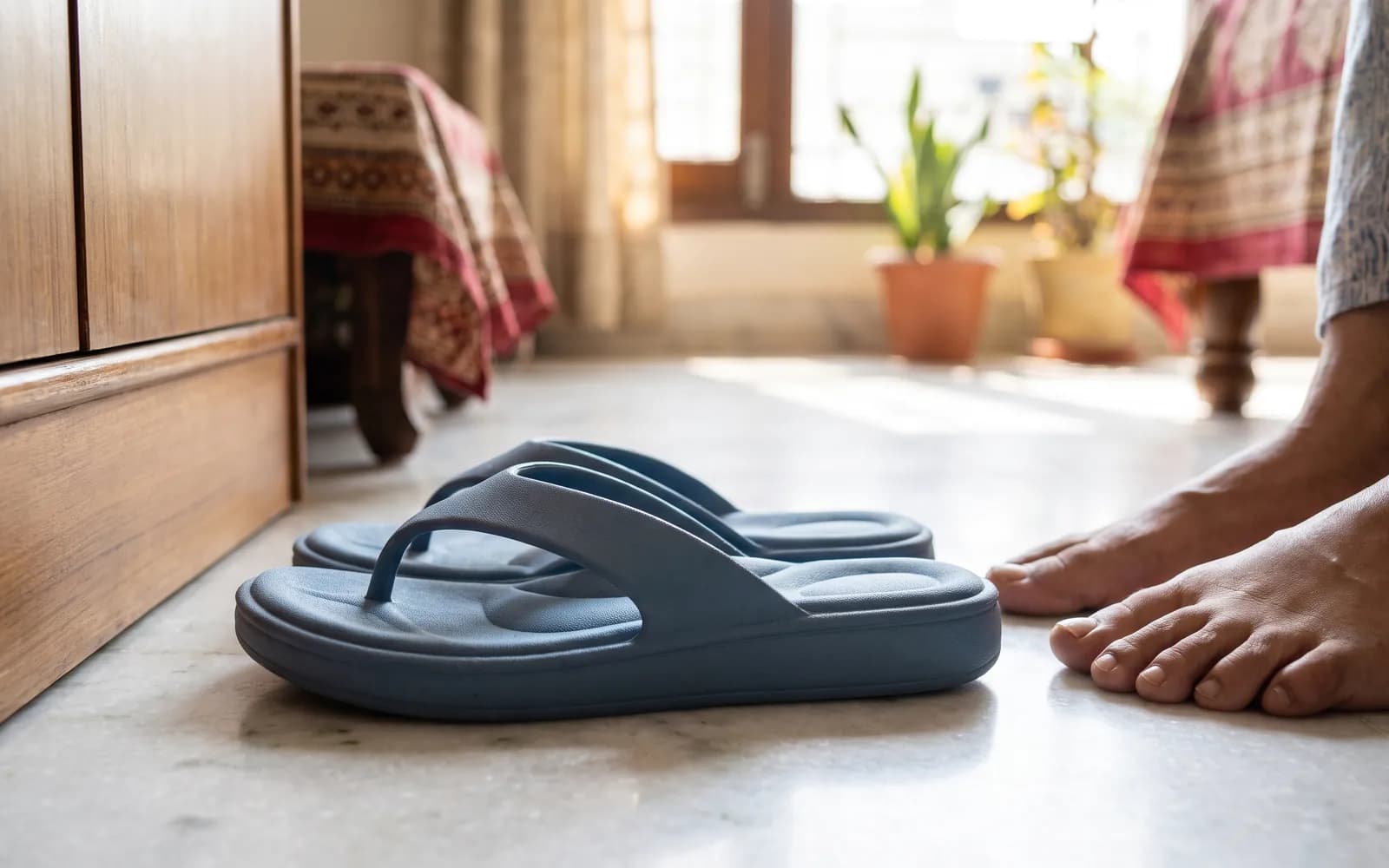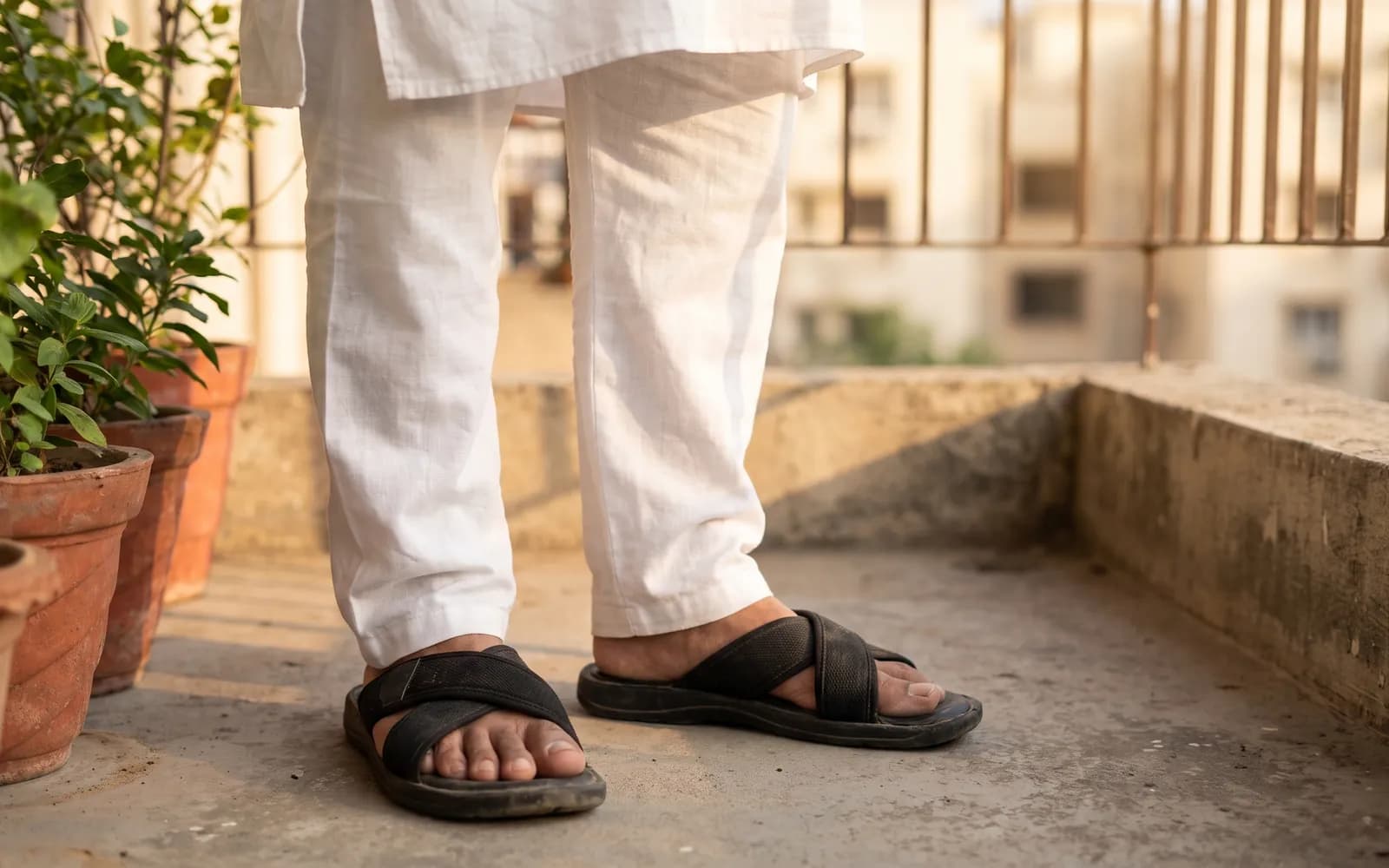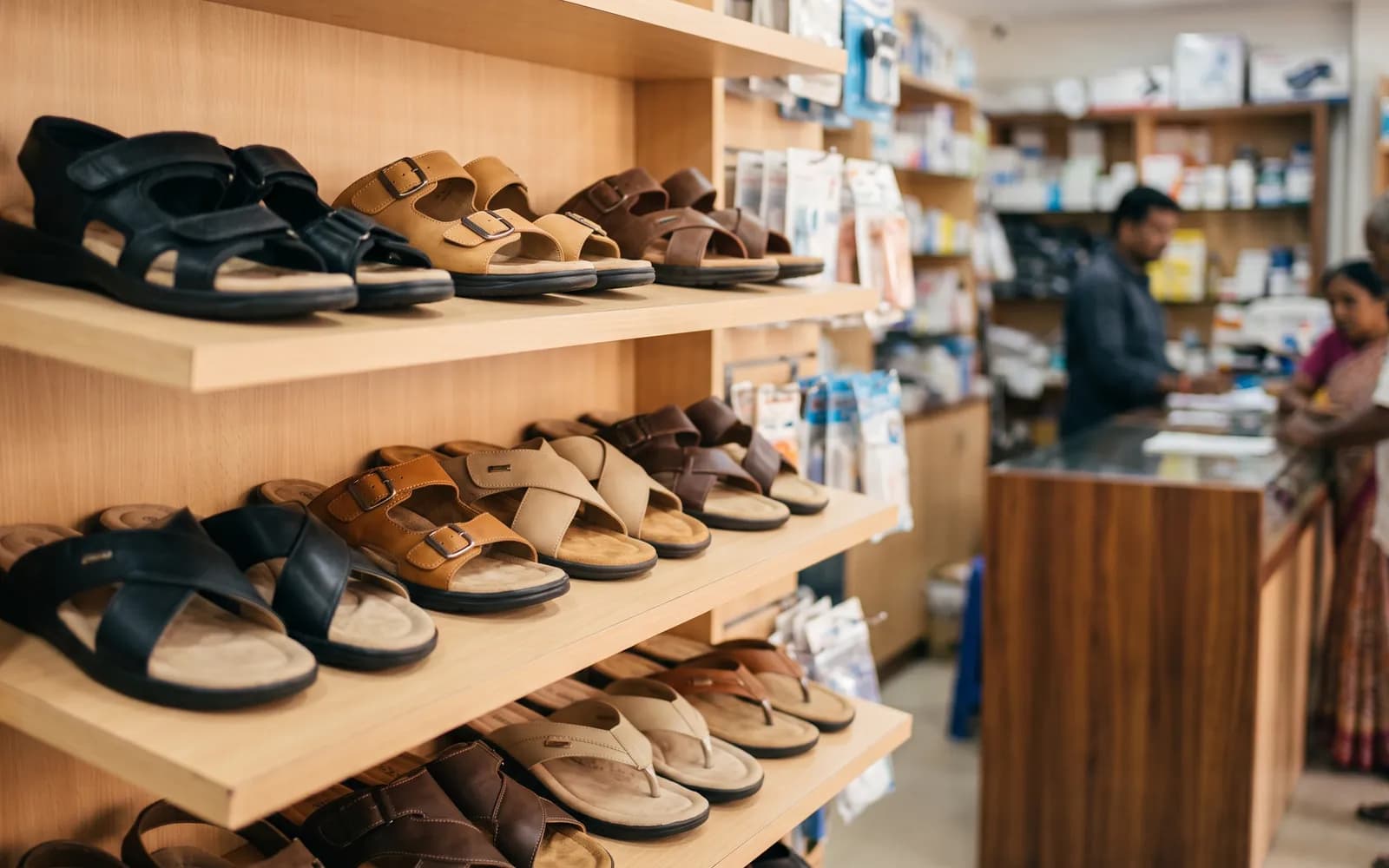
Search for comfortable chappals in India and two abbreviations appear again and again: MCR and MCP. Shopkeepers often use them interchangeably, but they describe different materials. Knowing the difference helps you pay for what your feet actually need.
What is MCR?
MCR stands for Micro-Cellular Rubber. It is rubber with millions of tiny air cells, which makes it light and springy. MCR is widely used for chappal soles and footbeds because it is:
- lightweight and soft underfoot,
- affordable,
- reasonably slip-resistant.
"MCR chappals" became popular as an inexpensive step up from hard rubber slippers — many people with mild heel pain find them more comfortable than regular slippers.
Limitations: softer MCR can compress over months of daily wear, and a flat MCR sheet usually offers little shaping for the arch.
What is MCP?
MCP refers to Micro-Cellular Polymer (often polyurethane-based) footbeds and insoles. In diabetic and orthopedic footwear, MCP is valued because it:
- moulds gently to the shape of your foot with wear, spreading pressure over a larger area,
- recovers its shape well, so cushioning lasts,
- can be contoured with arch support and a heel cup.
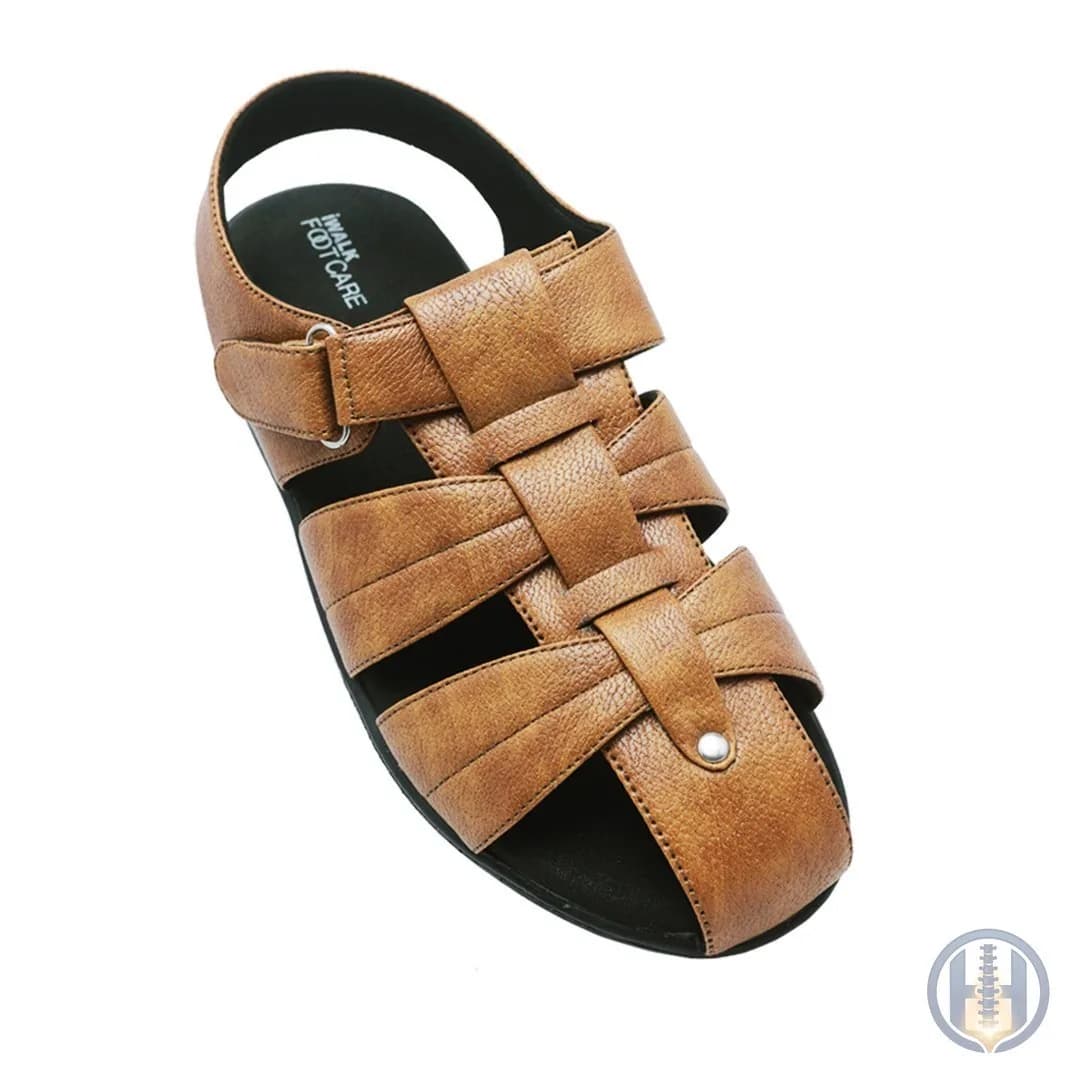
That pressure-spreading, moulding quality is why MCP footbeds are common in diabetic footwear, where avoiding high-pressure spots matters most. All iWALK Foot Care pairs we stock at Hi-Light are built on an MCP-cushioned footbed.
MCR vs MCP at a glance
| MCR | MCP | |
|---|---|---|
| Material | Micro-cellular rubber | Micro-cellular polymer footbed |
| Feel | Light, springy | Soft, moulds to the foot |
| Pressure distribution | Good | Very good (moulds to shape) |
| Shape retention | Can flatten over time | Recovers well |
| Typical use | Everyday comfort chappals | Diabetic & orthopedic footwear |
| Price | Lower | Moderate |
Which should you choose?
- Diabetes, neuropathy or a history of foot sores: choose a contoured MCP footbed with a soft lining and adjustable straps. See our diabetic footwear guide.
- Heel pain or plantar fasciitis: look for a cushioned heel cup and arch support — an MCP footbed with arch contour usually helps more than a flat sheet. Read footwear for plantar fasciitis.
- General comfort, no medical concerns, tight budget: a good MCR chappal is a reasonable choice; our everyday orthopedic sandals start at around ₹700.
Material is only half the story
A great footbed in a badly fitting pair still causes problems. Also check:
- the arch contour (is there one?),
- strap adjustability,
- toe room,
- outsole grip and flexibility at the ball of the foot.
How to check footbed quality in the shop
You don't need a lab to judge a footbed. Try these quick checks:
- Press test: push your thumb firmly into the heel area. It should give gently and spring back — not stay dented, and not feel hard like a floor tile.
- Shape test: look at the footbed from the side. Is there a raised arch contour and a slight heel cup, or is it completely flat?
- Flex test: hold the heel and bend the toe up. It should bend where your toes bend, not in the middle of the arch.
- Edge test: run a finger around the edge of the footbed and the lining — no sharp ridges or loose stitching.
- Walk test: walk a few steps. Your heel should stay in place and your toes shouldn't grip.
Caring for MCR and MCP footwear
- Keep them out of direct sun for long periods — heat can harden and deform foam materials.
- Wipe clean with a damp cloth and mild soap; don't soak or machine-wash.
- Air-dry in the shade if they get wet in the rain.
- Rotate two pairs if you wear footwear all day — foam recovers better with rest.
- Replace when the footbed stays flattened where your heel sits, or the sole wears unevenly.
Why "soft" isn't enough on its own
Very soft footwear can feel wonderful for the first ten minutes and tiring by evening, because your muscles work harder to keep you stable. The best pairs balance cushioning with support — which is why the footbed shape matters as much as the material.