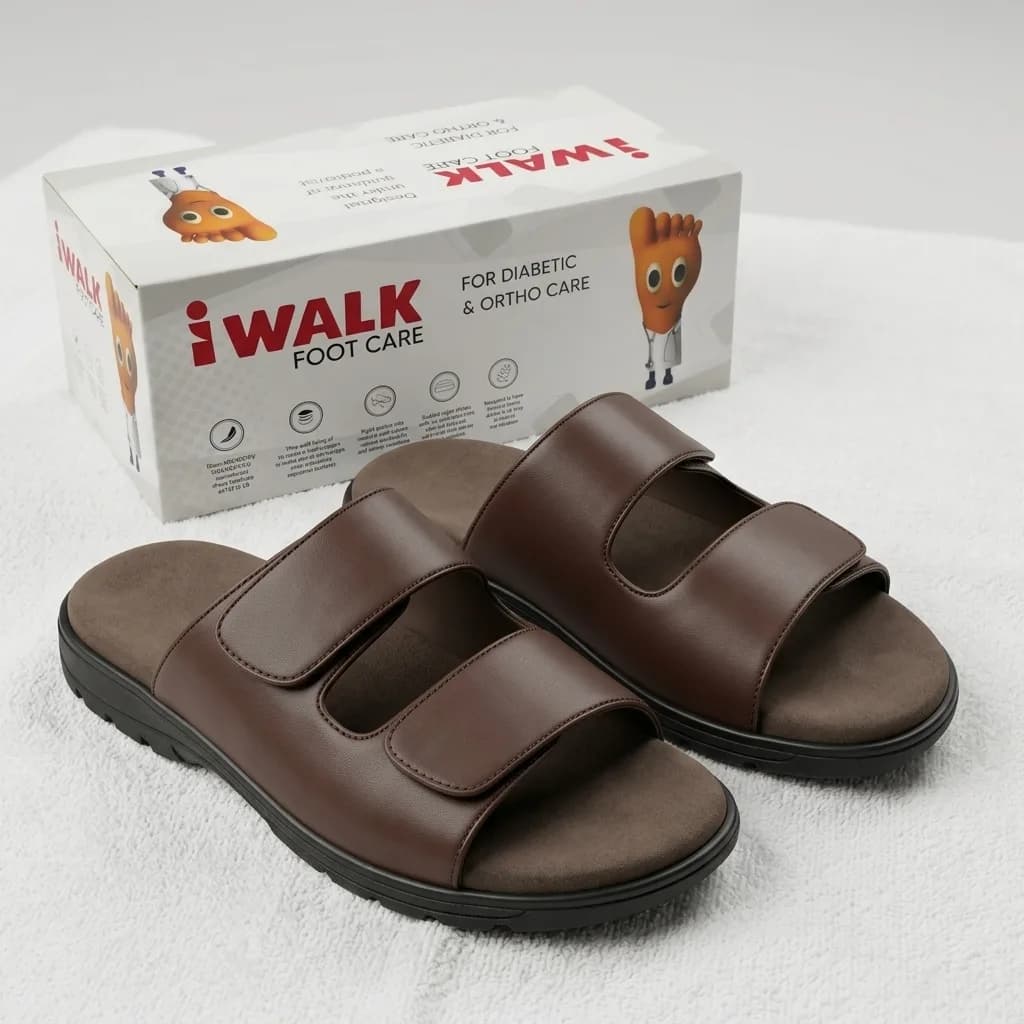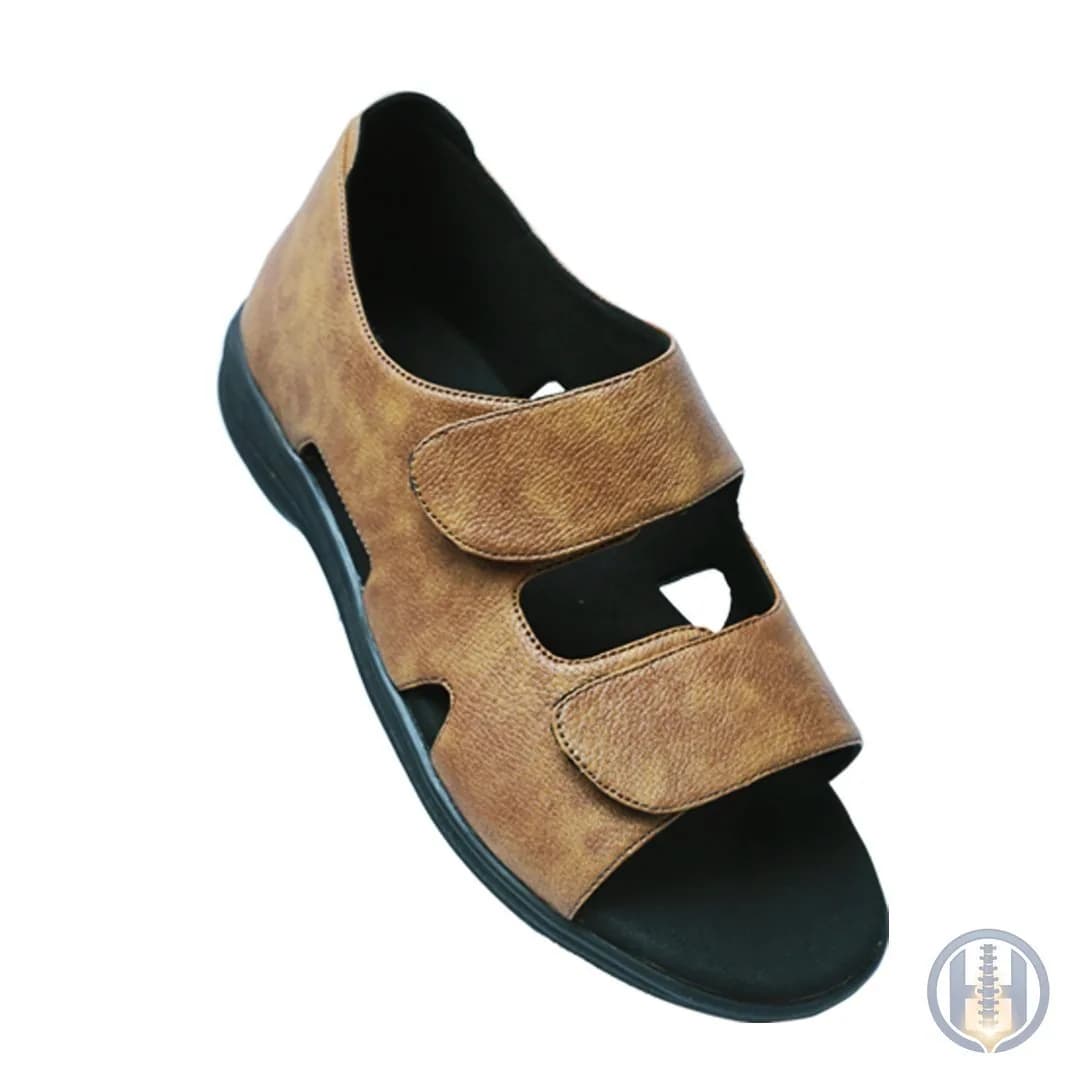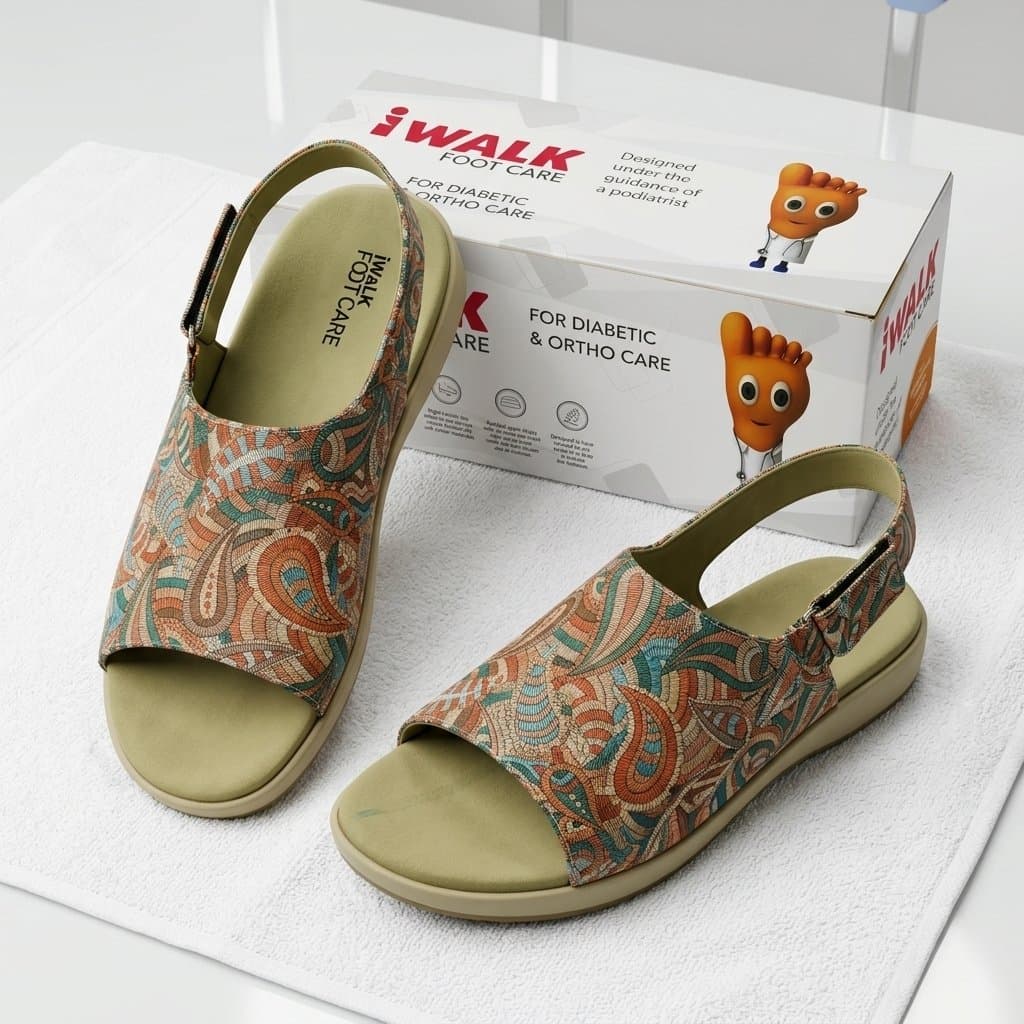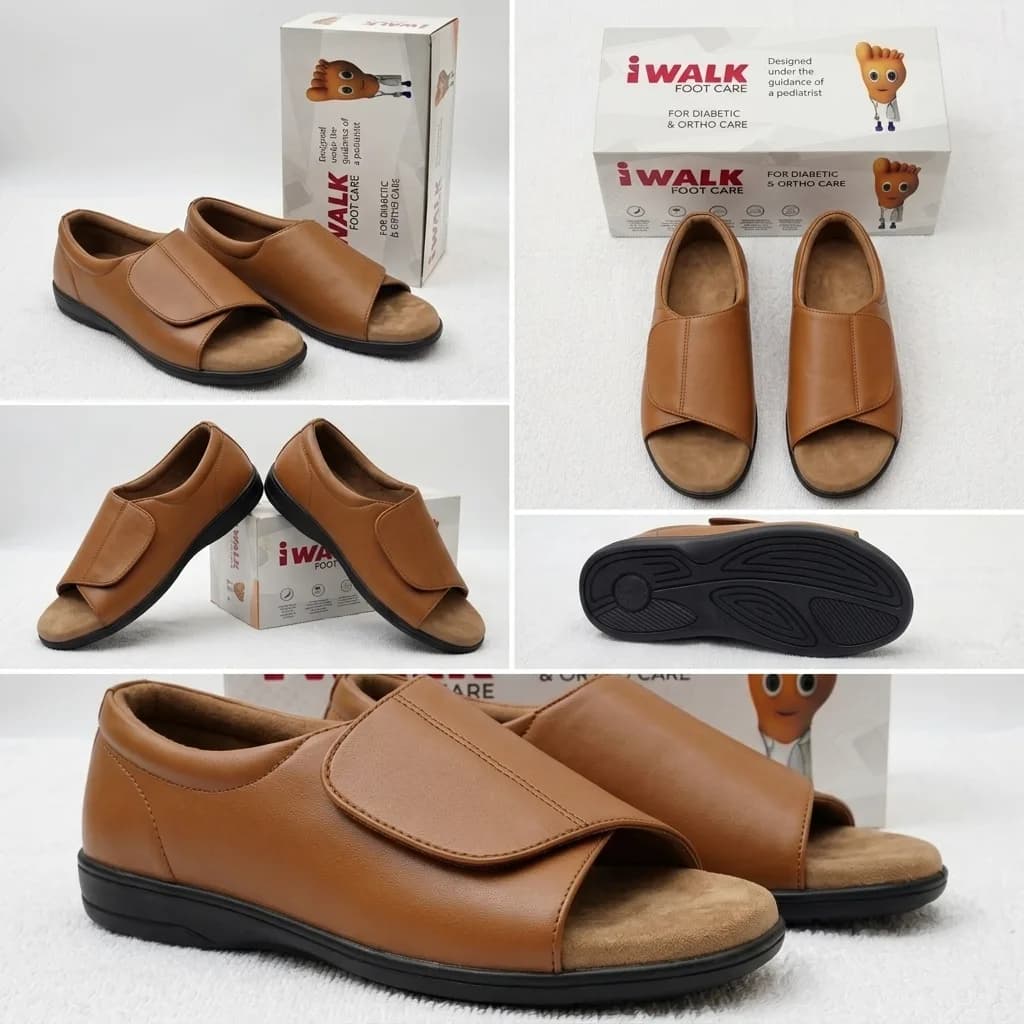
"Why should I pay more for a diabetic chappal? My regular one is soft enough." It's a fair question. Here is exactly what is different, point by point.
1. The footbed
Regular: flat rubber or EVA sheet, often thin; body weight concentrates under the heel and the ball of the foot. Diabetic: a cushioned MCP footbed that moulds to the foot and spreads pressure, often with an arch contour. Read MCR vs MCP.
2. The lining
Regular: synthetic linings with hard stitching at edges. Diabetic: soft, seam-minimised linings (such as Micro Touch) to avoid friction on skin that may not feel rubbing.
3. The toe box
Regular: shaped for looks, often narrow or pointed. Diabetic: roomy and deep so toes don't press against the front or sides — important for bunions, hammer toes and swelling.
4. The straps and fastening
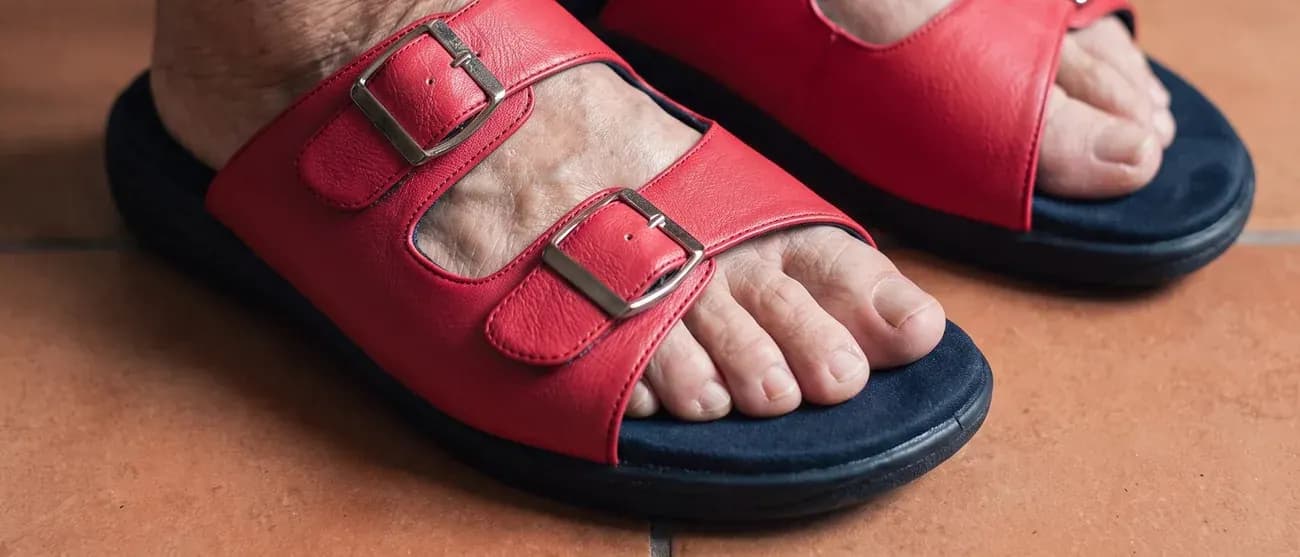
Regular: fixed straps or thin thongs between the toes. Diabetic: adjustable velcro or buckle straps that loosen as feet swell and never cut between the toes.
5. The sole
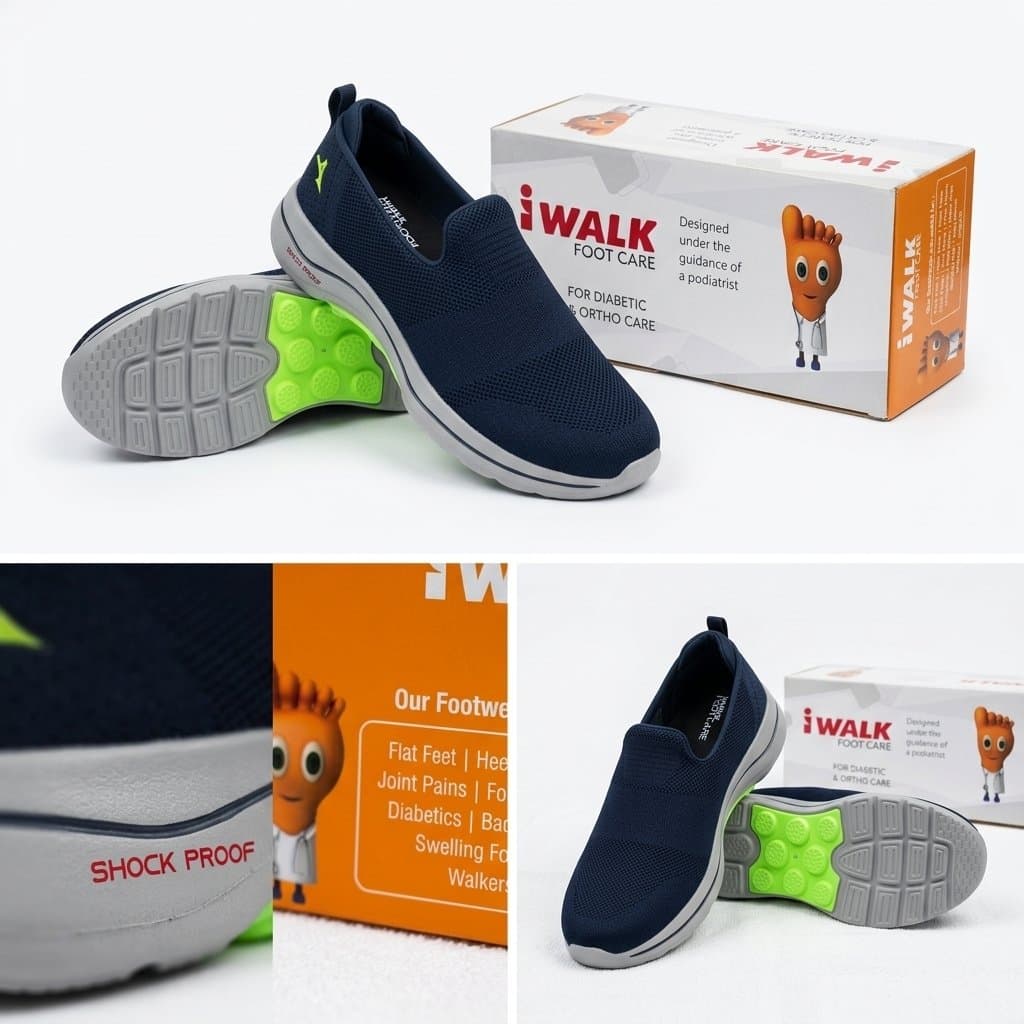
Regular: varies widely; often hard and slippery when wet. Diabetic: shock-absorbing and slip-resistant, sometimes with a gentle rocker shape to ease pressure at the forefoot.
6. Heel support
Regular: often backless or loose. Diabetic: a cupped heel and secure back strap so the foot doesn't slide.
7. Fit philosophy
Regular: sized for the average foot in the morning. Diabetic: sized with extra room for evening swelling and, if needed, a custom insole.
Who should switch?
- Anyone with diabetes, especially with neuropathy (numbness/tingling), poor circulation, a past ulcer, corns or foot deformity
- People with swollen feet or arthritis
- Anyone with heel pain who wants better cushioning
If you have diabetes but no foot problems yet, diabetic footwear is still a sensible preventive choice. Read our daily diabetic foot care tips.
Is diabetic footwear worth the extra cost?
A good pair of diabetic footwear costs more than a street chappal — at Hi-Light, most diabetic sandals are in the ₹1,500–₹2,000 range. Compare that with what a single foot wound can mean: repeated dressings, doctor visits, missed work and weeks of restricted walking. For someone with diabetes, footwear that lowers the risk of pressure and rubbing injuries is one of the most cost-effective protections available.
It also lasts: with daily use, a well-made pair typically keeps its cushioning for 8–12 months.
Making the switch comfortably
- Start at home. Wear the new pair indoors for an hour or two on the first days.
- Check your feet after each wear for red marks, especially if you have reduced sensation.
- Adjust the straps through the day as your feet change.
- Replace your indoor slippers too — many injuries happen at home.
- Keep your old pair for the garden or rain, not for daily walking.
Common myths about diabetic footwear
- "It's only for people who already have wounds." It's preventive — the best time to switch is before problems start.
- "It looks medical." Modern diabetic sandals come in smart tan, brown and black styles suitable for office and functions.
- "Any soft chappal is the same." Softness without structure, roomy fit and seam-free lining misses the point.
- "Once I buy it, it lasts forever." Footbeds compress with use; replace pairs that have flattened.
Where to start
If you're new to diabetic footwear, begin with one everyday strap sandal for home and short errands, then add a closed walker or walking shoe for longer walks.
Key takeaways
- The difference is in the footbed, lining, toe room, straps, sole and heel.
- For diabetic feet, those details prevent pressure and rubbing injuries.
- See our buying guide and shop men's or women's diabetic footwear.