For many people in pain — an elderly parent after a fall, someone recovering from knee surgery, a person whose heel pain makes every step hard — travelling to a clinic is the hardest part of getting better. Home-visit physiotherapy brings a trained physiotherapist to your door.
Who benefits from home physiotherapy?
- Post-surgery recovery — knee or hip replacement, fracture fixation, spine surgery
- Joint and muscle pain — knee pain, back and neck pain, frozen shoulder
- Foot and heel pain — plantar fasciitis, heel spur (heel spur guide)
- Neurological rehabilitation — after a stroke or with other neurological conditions
- Elderly and geriatric care — strength, balance and fall prevention
- Sports and everyday injuries — sprains and strains
What happens in a home session
- Assessment — the physiotherapist asks about your pain, history and goals and checks movement, strength and balance.
- Treatment — may include guided exercises, stretching, mobility work and advice on posture and daily activities.
- A home exercise plan — simple exercises you can do between visits, using things you have at home.
- Progress reviews — the plan is adjusted as you improve.
Because sessions happen at home, the physiotherapist can also suggest practical changes — a chair for the kitchen, bathroom safety, safer footwear inside the house.
Why footwear and physiotherapy work well together
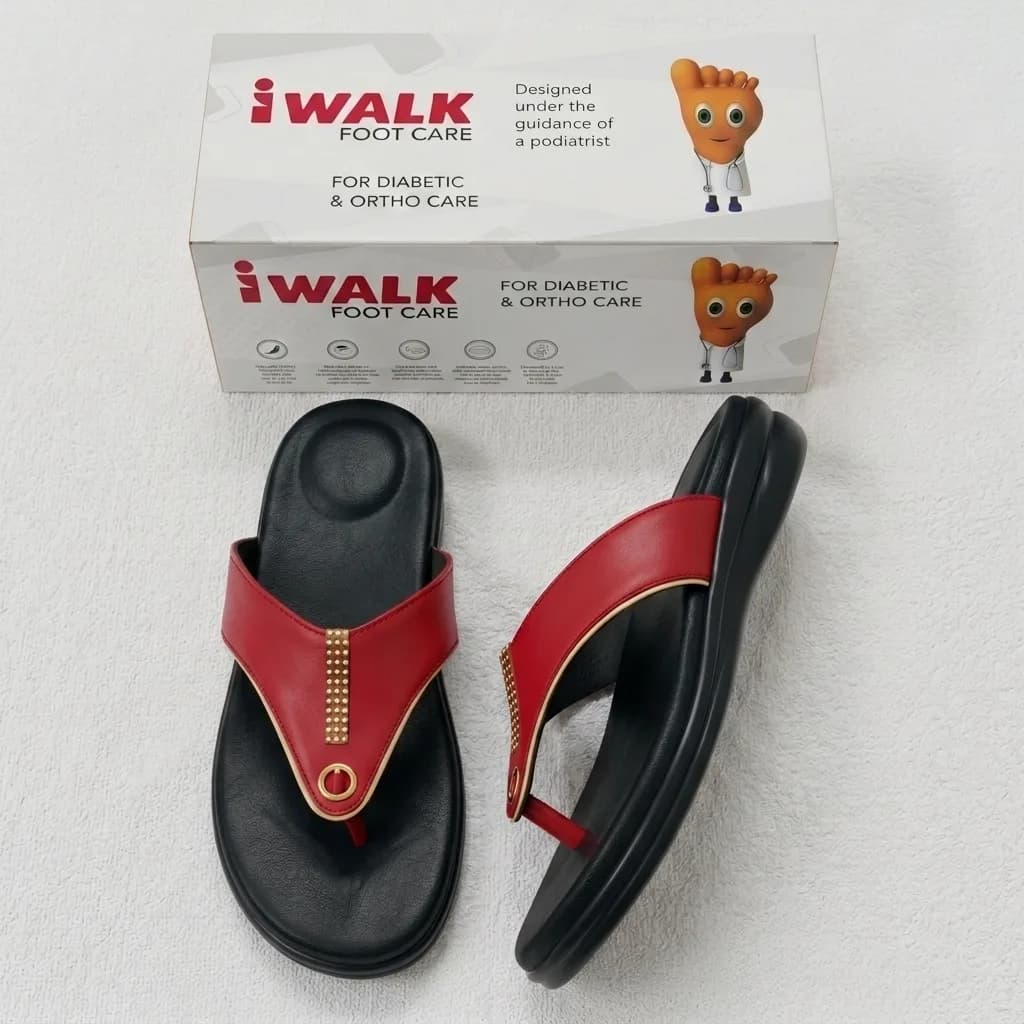
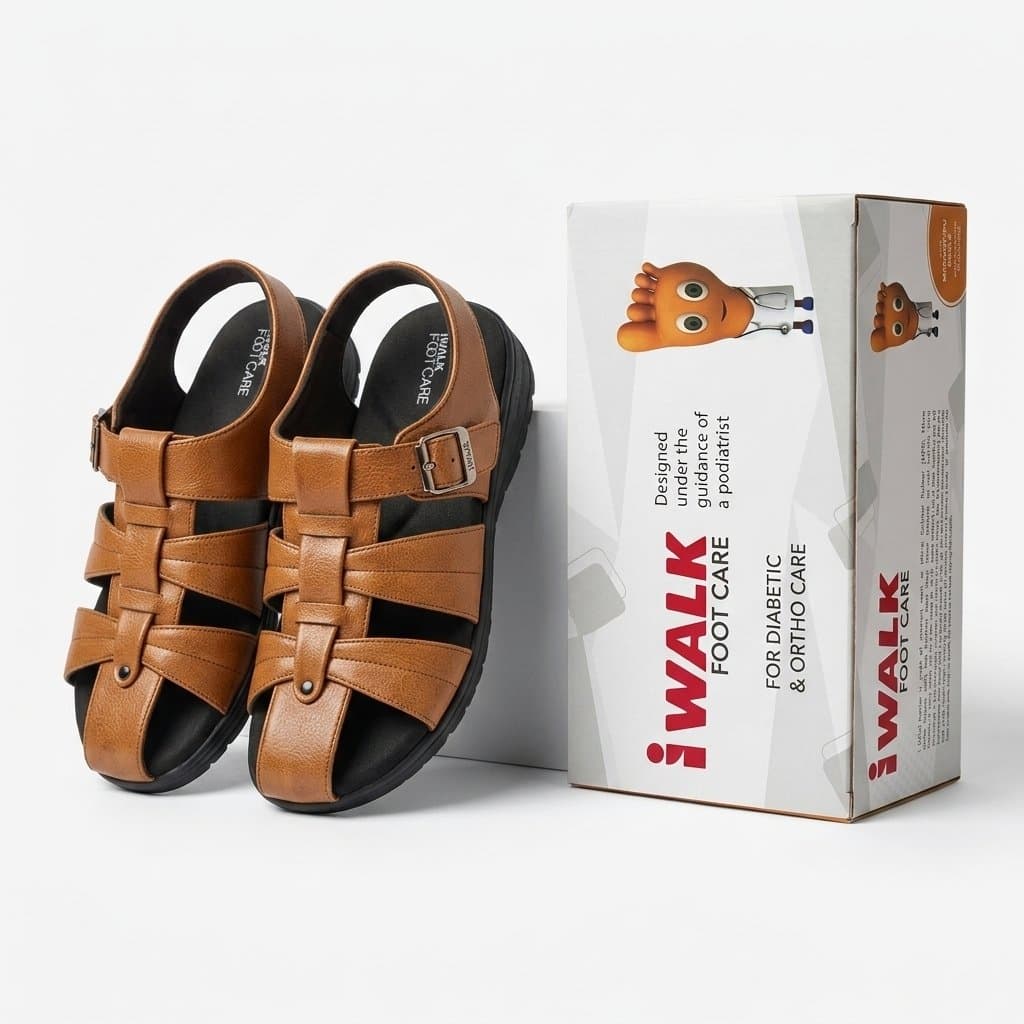
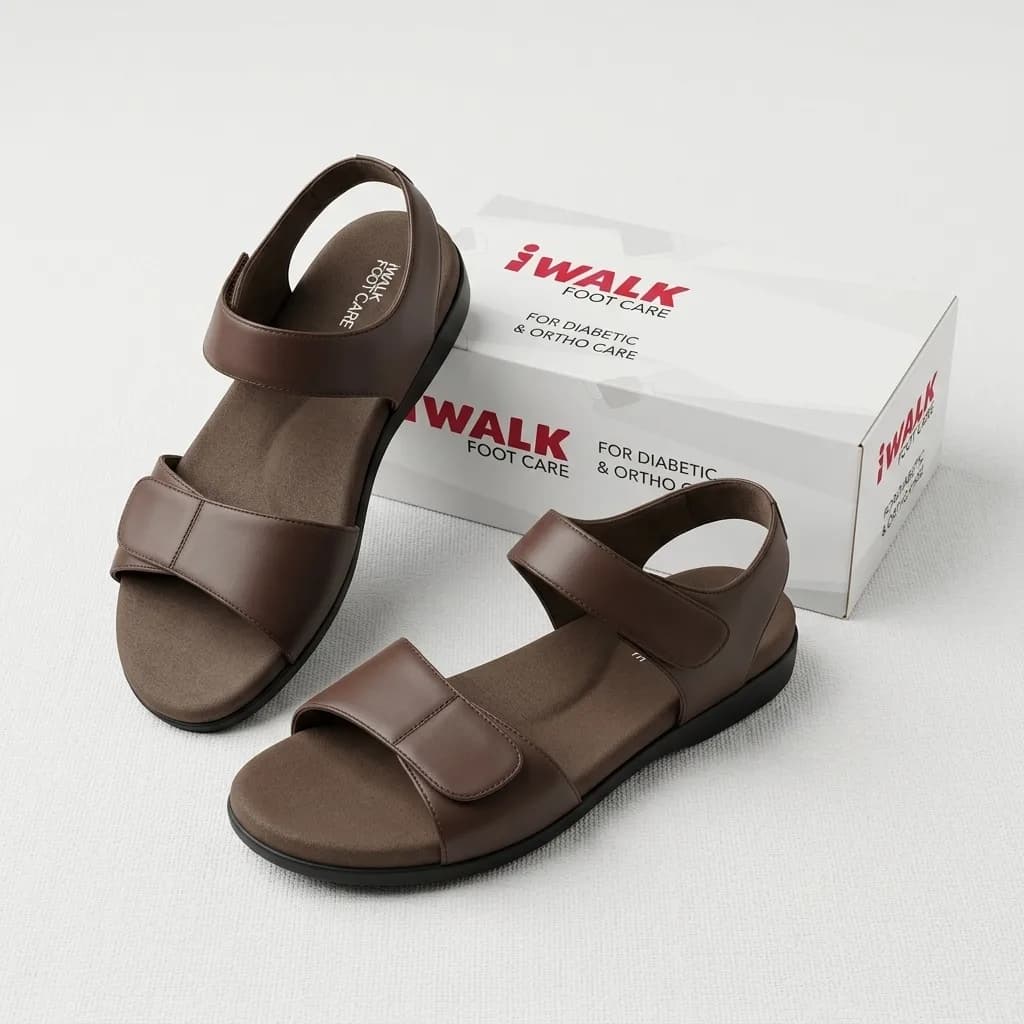
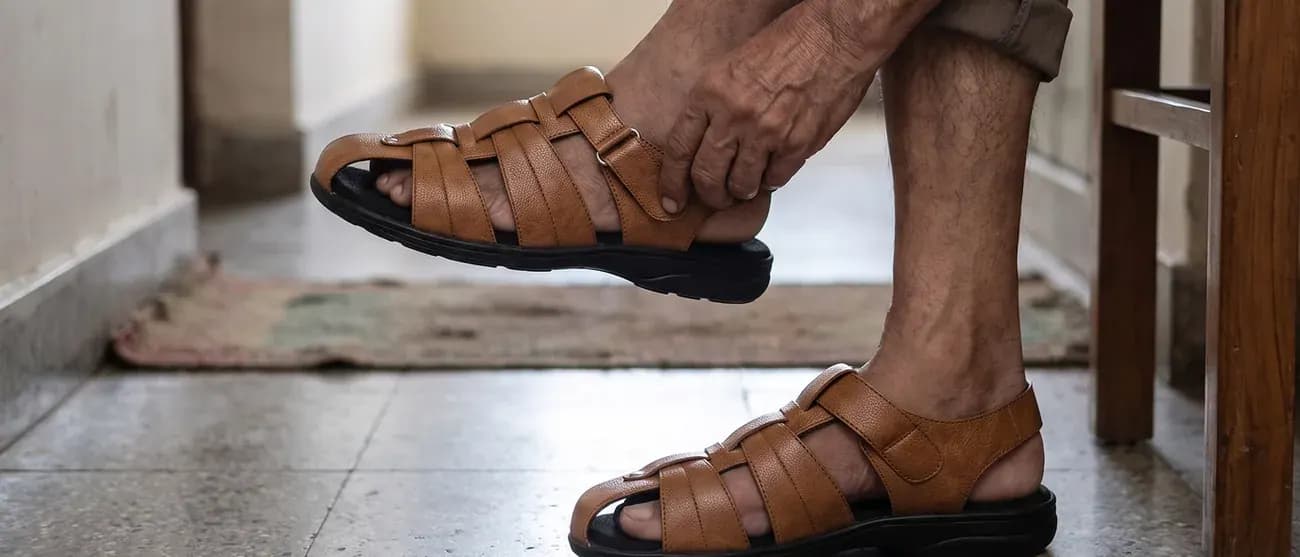
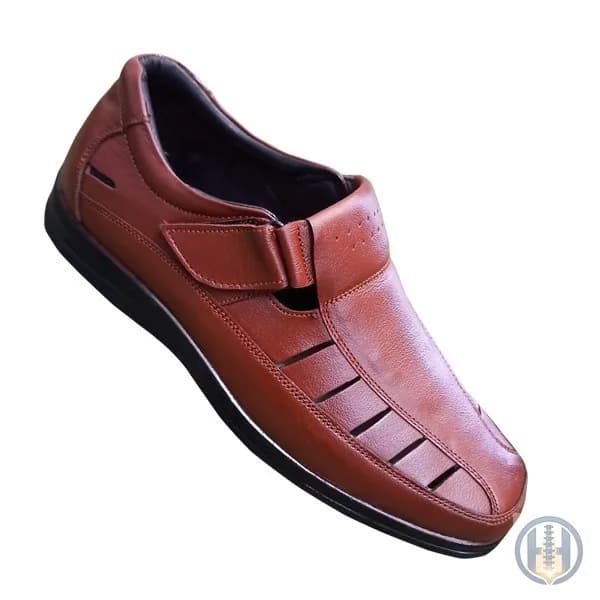
Exercises strengthen and stretch; supportive footwear reduces strain for the other 23 hours of the day. For heel pain, knee pain and flat feet, the two together usually work better than either alone. Read footwear for knee pain and plantar fasciitis footwear.
Areas we cover
Hi-Light is based in Adambakkam, Chennai, and provides home-visit physiotherapy in the surrounding areas. Share your area or pincode and we'll confirm whether a visit can be arranged.
How to book
- Fill in the enquiry form on our physiotherapy page, or
- Call +91 91765 52229 or WhatsApp us.
No doctor's referral is needed to get in touch. If you have doctor's notes or scan reports, keep them handy for the first visit. Submitting the form is an enquiry — our team calls you back to confirm a date and time.
Preparing for your first home visit
- Keep doctor's notes, discharge summaries and scan reports handy.
- Make a list of medicines you take.
- Wear comfortable, loose clothing that allows movement.
- Clear a small space with a firm chair and, if possible, a bed or mat.
- Have your everyday footwear nearby — the physiotherapist may check it.
- Note down what you want to get back to — climbing stairs, walking to the temple, playing with grandchildren. Clear goals shape the plan.
How many sessions will I need?
It depends on the condition, how long you've had it, your age and general health, and how regularly you do the home exercises. The physiotherapist will suggest a plan after the first assessment and adjust it as you progress. Doing the prescribed exercises between visits makes a big difference to results.
How family members can help
- Help with the home exercise plan and gentle reminders.
- Make the home safer — remove loose rugs, improve lighting, add grab bars.
- Encourage short walks and activity, as advised.
- Make sure supportive footwear is worn at home too.
Physiotherapy for common foot and leg problems
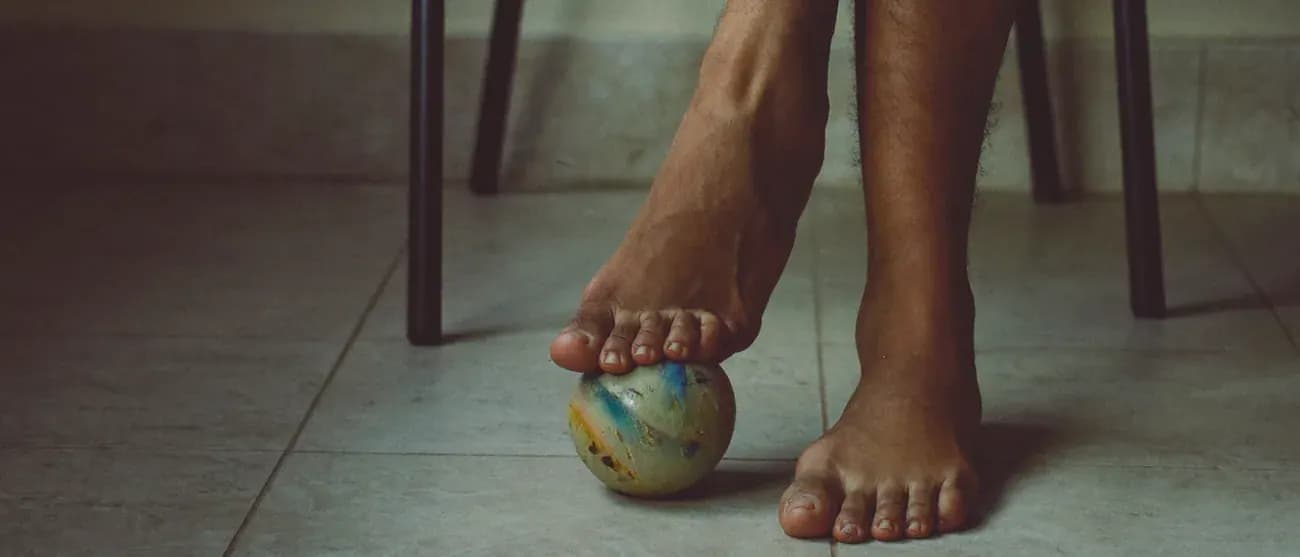
- Plantar fasciitis and heel spur: calf and plantar fascia stretching, strengthening of the small foot muscles, and advice on footwear and daily loading.
- Flat feet and tired arches: arch-strengthening exercises and balance work.
- Knee osteoarthritis: thigh and hip strengthening, range-of-motion work and walking advice.
- Ankle sprains: restoring movement, strength and balance to prevent repeat sprains.
- After a fracture or surgery: a gradual return to walking, often starting with support and progressing step by step.
- Balance problems in older adults: exercises that reduce the risk of falls at home.
In each case, the physiotherapist tailors the programme to the person — there's no one-size-fits-all plan.
Key takeaways
- Home physiotherapy suits post-surgery, pain, neuro rehab and elderly care.
- Sessions include assessment, treatment and a home exercise plan.
- Combine exercises with supportive footwear for foot, heel and knee pain.