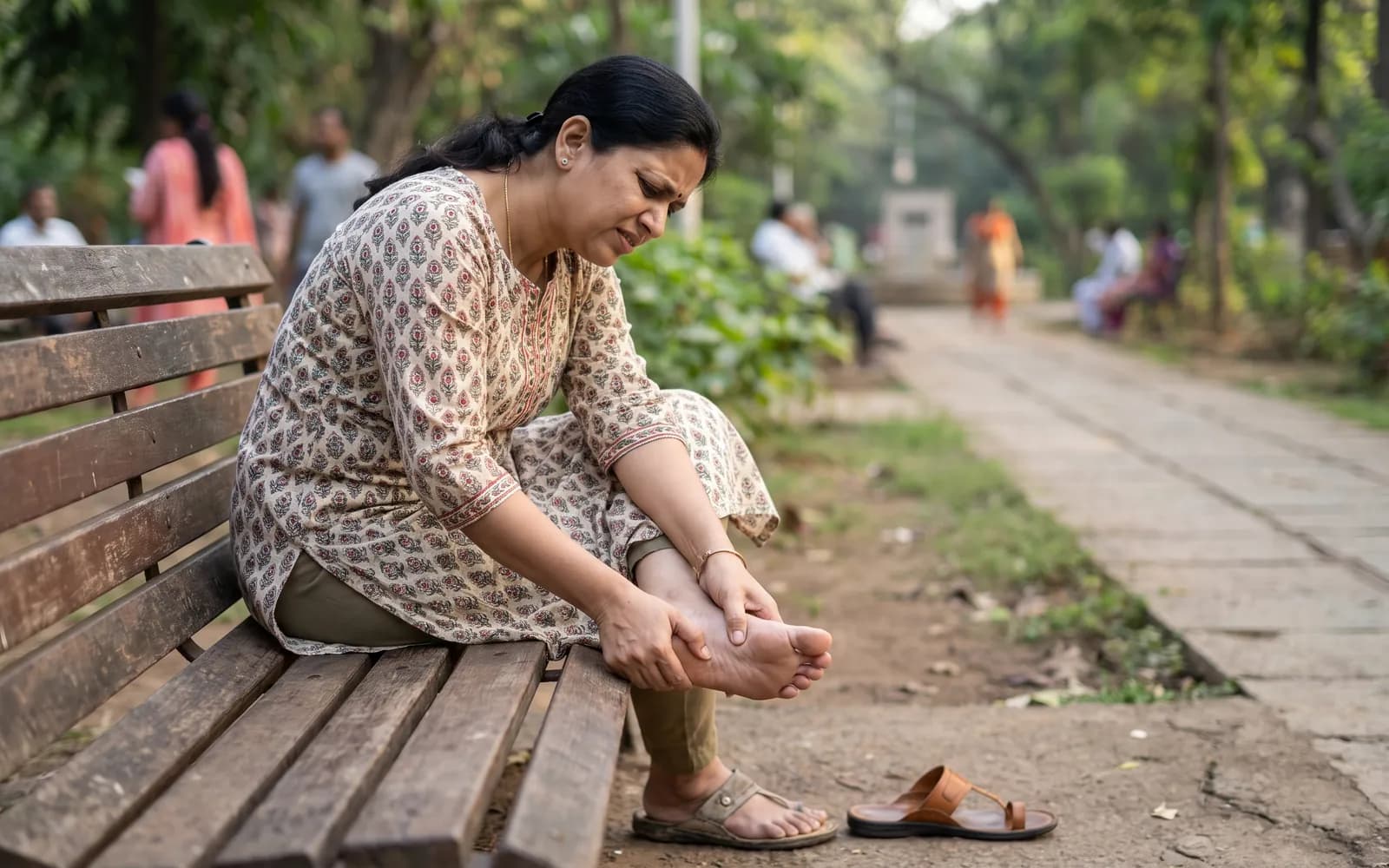
If the first few steps out of bed feel like stepping on a nail — and the pain eases after you walk a little — there's a good chance you have plantar fasciitis. It is one of the most common causes of heel pain, and footwear plays a big role in both causing and easing it.
What is plantar fasciitis?
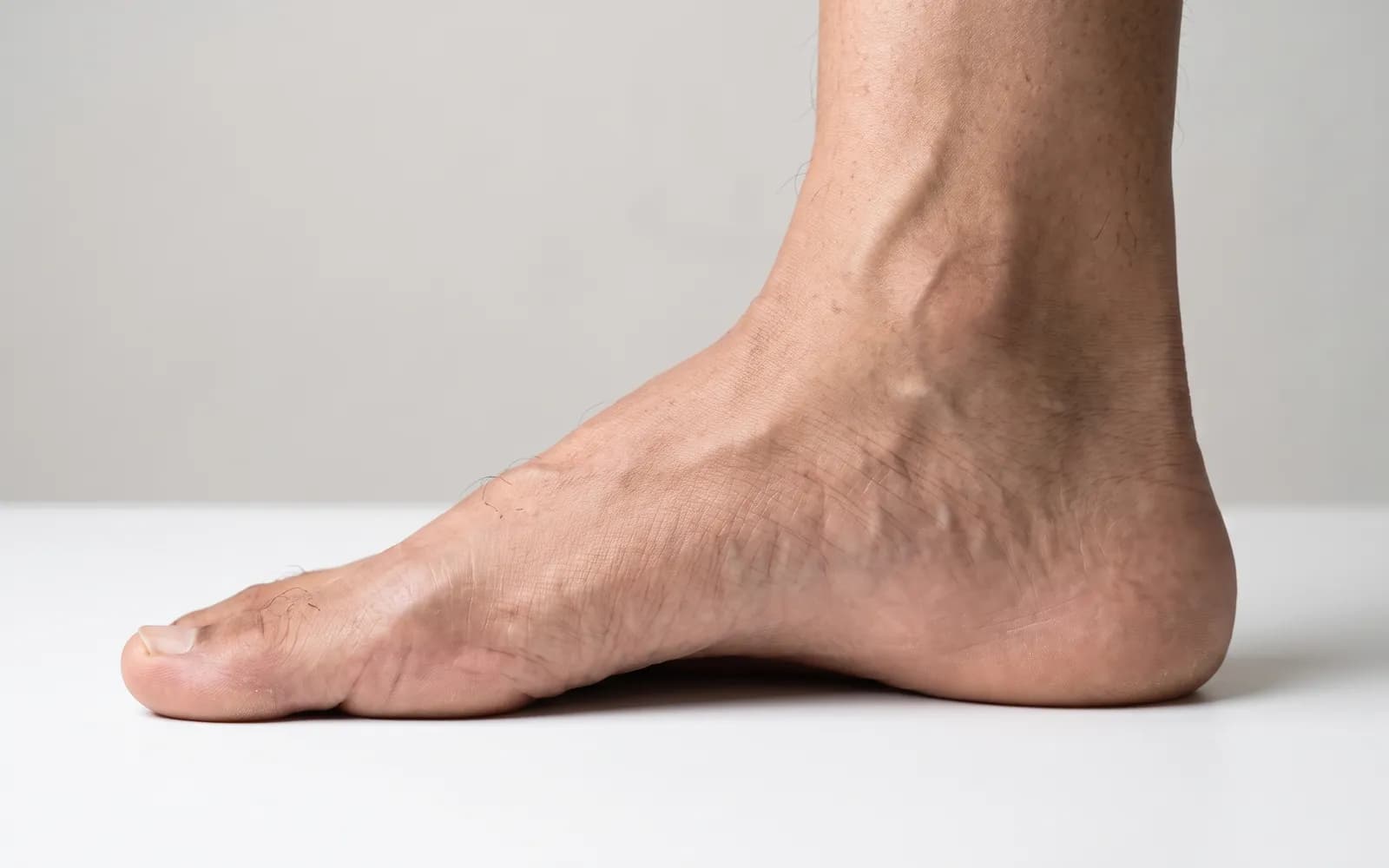
The plantar fascia is a thick band of tissue running from your heel to your toes, supporting the arch like a bowstring. When it is overloaded — long hours standing on hard floors, sudden increases in walking, weight gain, tight calf muscles, or flat or very high arches — it becomes irritated where it attaches to the heel.
Typical signs:
- Sharp heel pain with the first steps in the morning or after sitting
- Pain that eases with movement, then returns after long standing
- Tenderness on the inner underside of the heel
Why footwear matters so much
Flat, thin, unsupportive chappals let the arch collapse with every step, stretching the fascia again and again. Walking barefoot on marble or tiled floors — very common in Chennai homes — does the same. Good footwear reduces that strain all day long.
Features that help plantar fasciitis
- Contoured arch support — holds the arch so the fascia isn't over-stretched.
- Cushioned heel cup — absorbs impact where it hurts most.
- A slightly raised heel (a small heel-to-toe drop) — eases tension on the fascia and calf compared with completely flat soles.
- A firm, non-twisting midsole — the pair should bend at the ball of the foot, not in the middle.
- Secure straps or a closed back — so your toes don't grip to keep the pair on.
What to avoid
- Thin flat slippers and worn-out chappals
- Walking barefoot at home, especially first thing in the morning
- High heels and completely flat ballet-style flats
- Footwear with a soft, twisty middle
Tip: keep a supportive pair next to your bed and put it on before your first step.
Simple stretches that help
Along with footwear, these are commonly recommended (stop if they increase pain):
- Calf stretch against a wall — 30 seconds, 3 times each leg, twice a day.
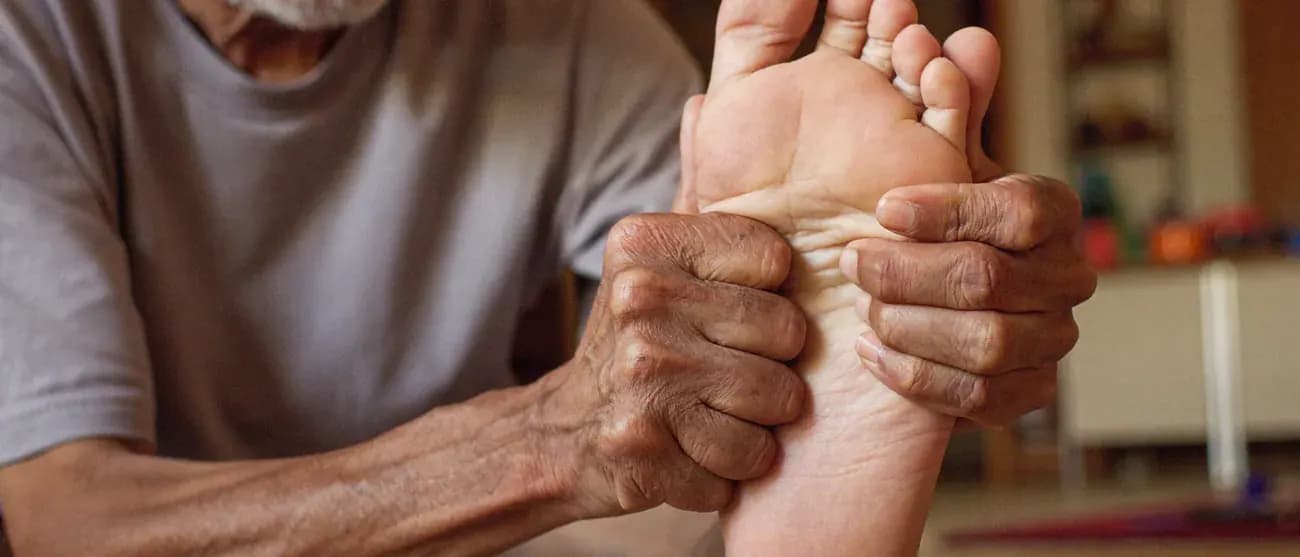
- Towel stretch before getting up — loop a towel around the ball of your foot and gently pull your toes towards you.
- Arch roll — roll the sole over a small ball or a chilled water bottle for 2–3 minutes.
If pain continues beyond a few weeks, see a doctor. Our home-visit physiotherapy in Chennai can also guide a structured stretching and strengthening plan.
Choosing a pair at Hi-Light
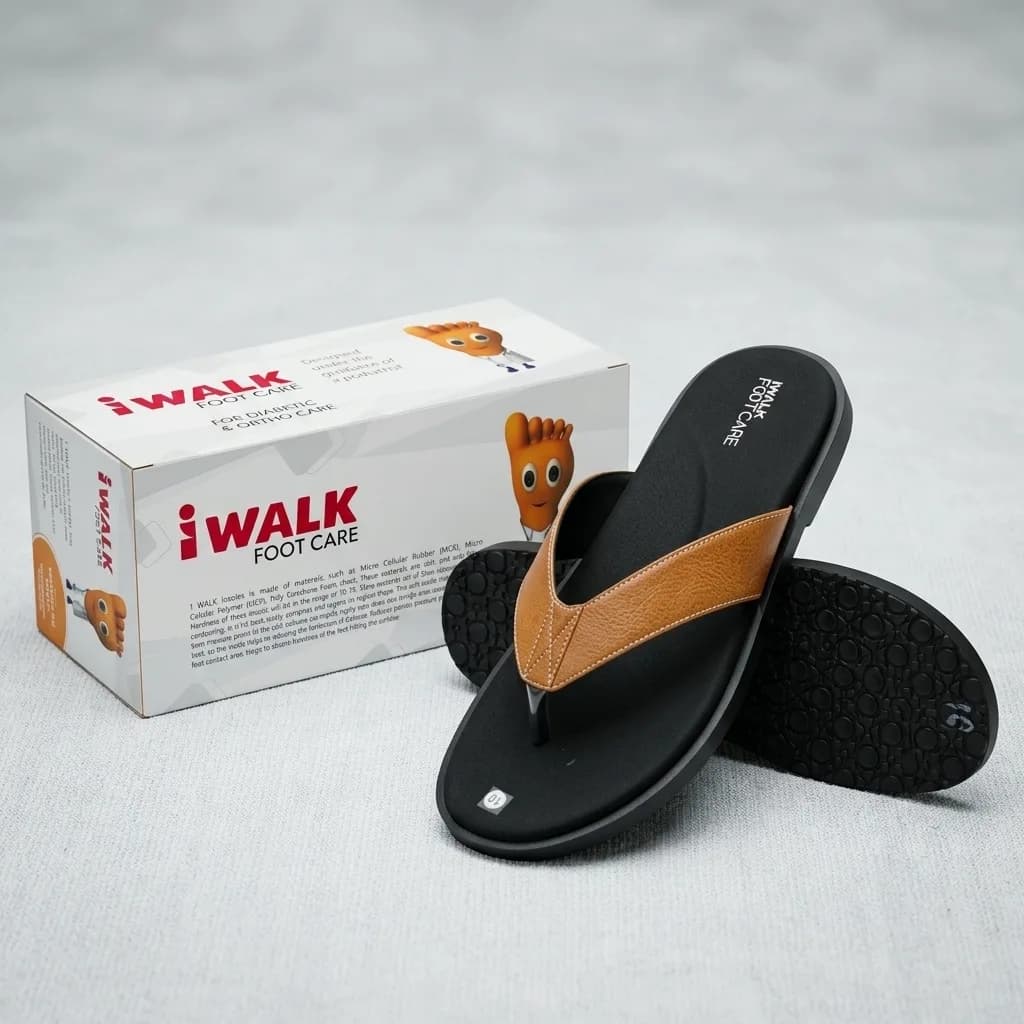
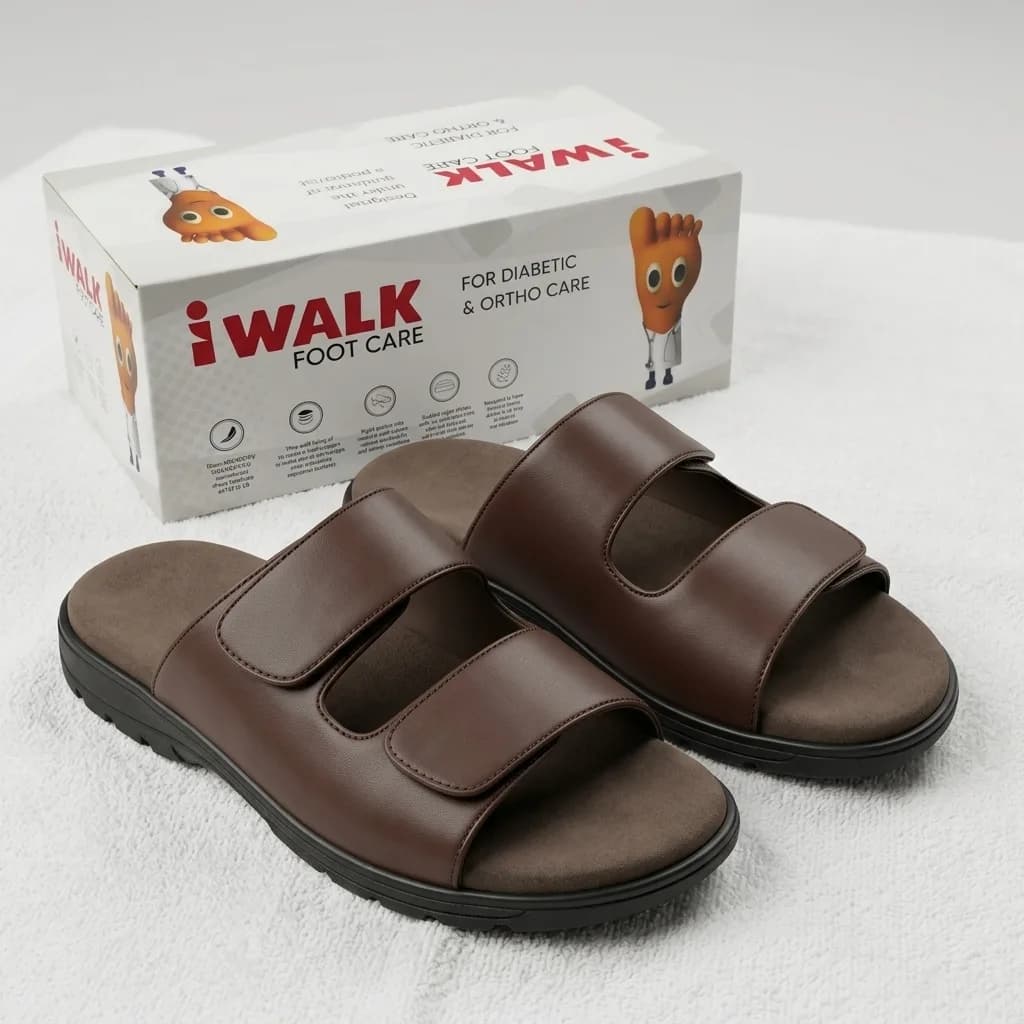
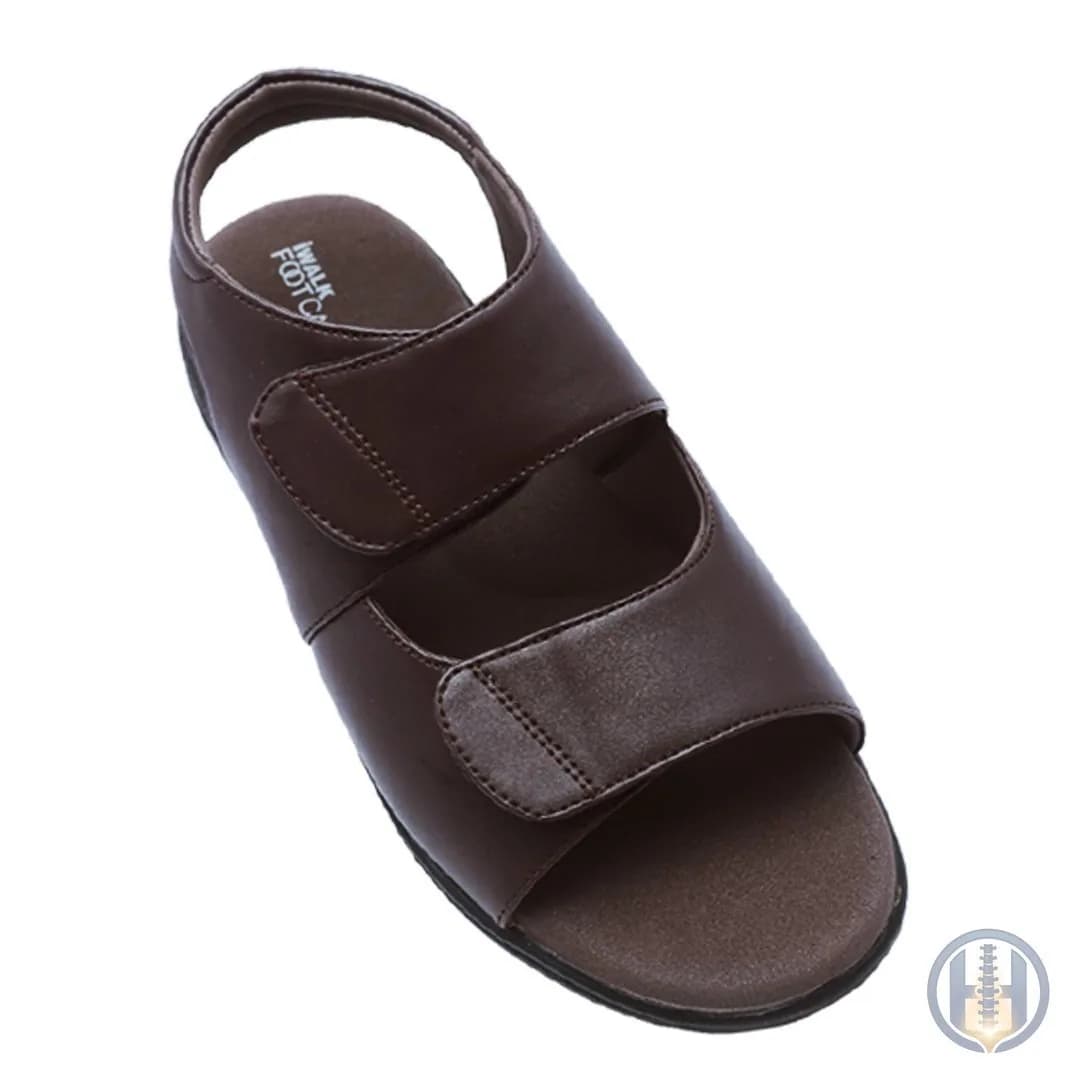
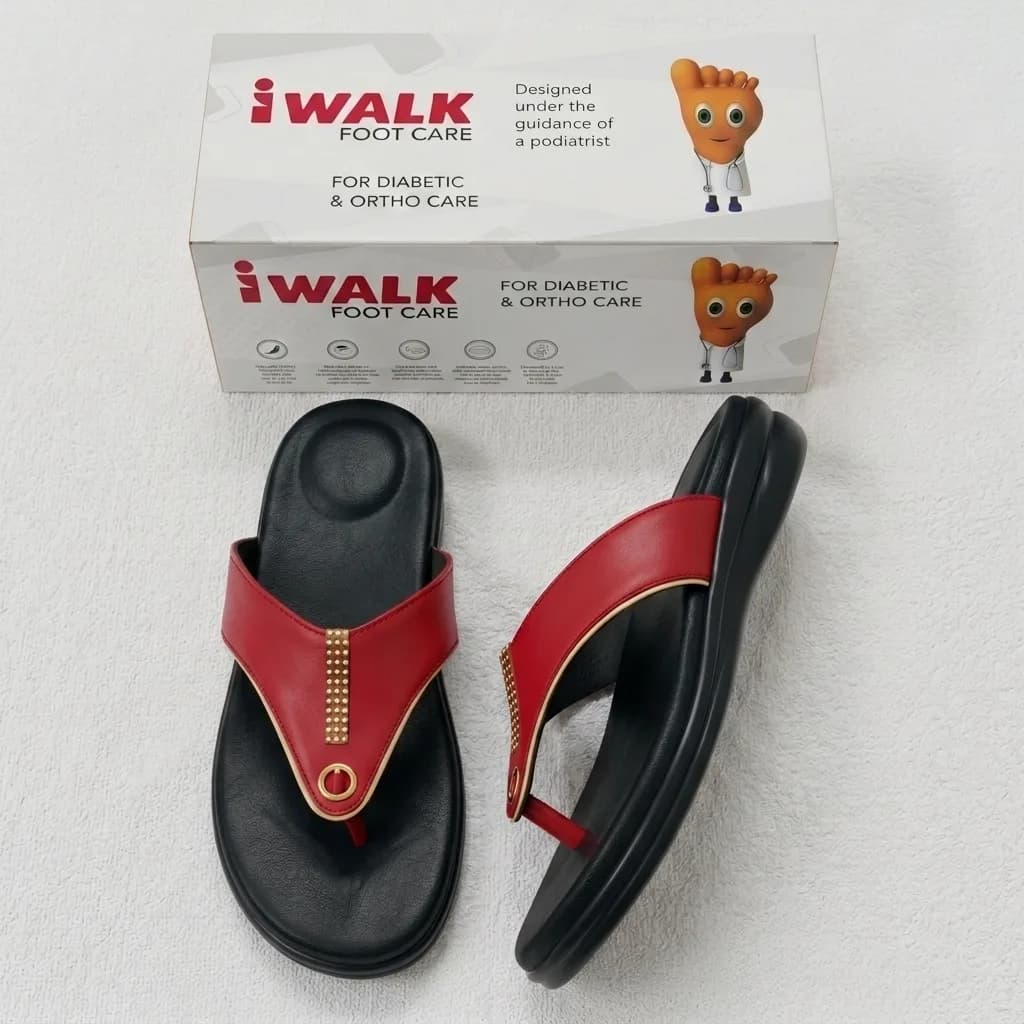
The iWALK footwear we stock pairs an MCP-cushioned footbed with arch support and soft uppers. For plantar fasciitis, customers often choose supportive strap sandals for daily wear and the heel-soft sandal when heel pain is the main complaint. Also read: heel spur footwear and flat feet & arch support.
A sample day for plantar fasciitis relief
- Before getting out of bed: towel stretch for each foot, 3 × 30 seconds.
- First step: into supportive sandals kept beside the bed — never barefoot.
- Morning: calf stretches against the kitchen wall while waiting for the tea to boil.
- During work: if you stand a lot, shift weight, take short sitting breaks and stand on a soft mat where possible.
- Evening: roll the arch over a chilled water bottle for 2–3 minutes.
- Before bed: another round of calf stretches.
Small, consistent steps like these, combined with supportive footwear, usually do more than any single remedy.
Common mistakes that slow recovery
- Stretching hard for a few days, then stopping when it feels better
- Switching back to flat slippers at home
- Sudden long walks or new exercise without building up gradually
- Ignoring tight calves
Key takeaways
- Plantar fasciitis = overloaded arch tissue; morning heel pain is the hallmark.
- Choose arch support + cushioned heel + small heel rise + stable sole.
- Never start the day barefoot; stretch the calves daily.
General information only — please consult a doctor for diagnosis and treatment.