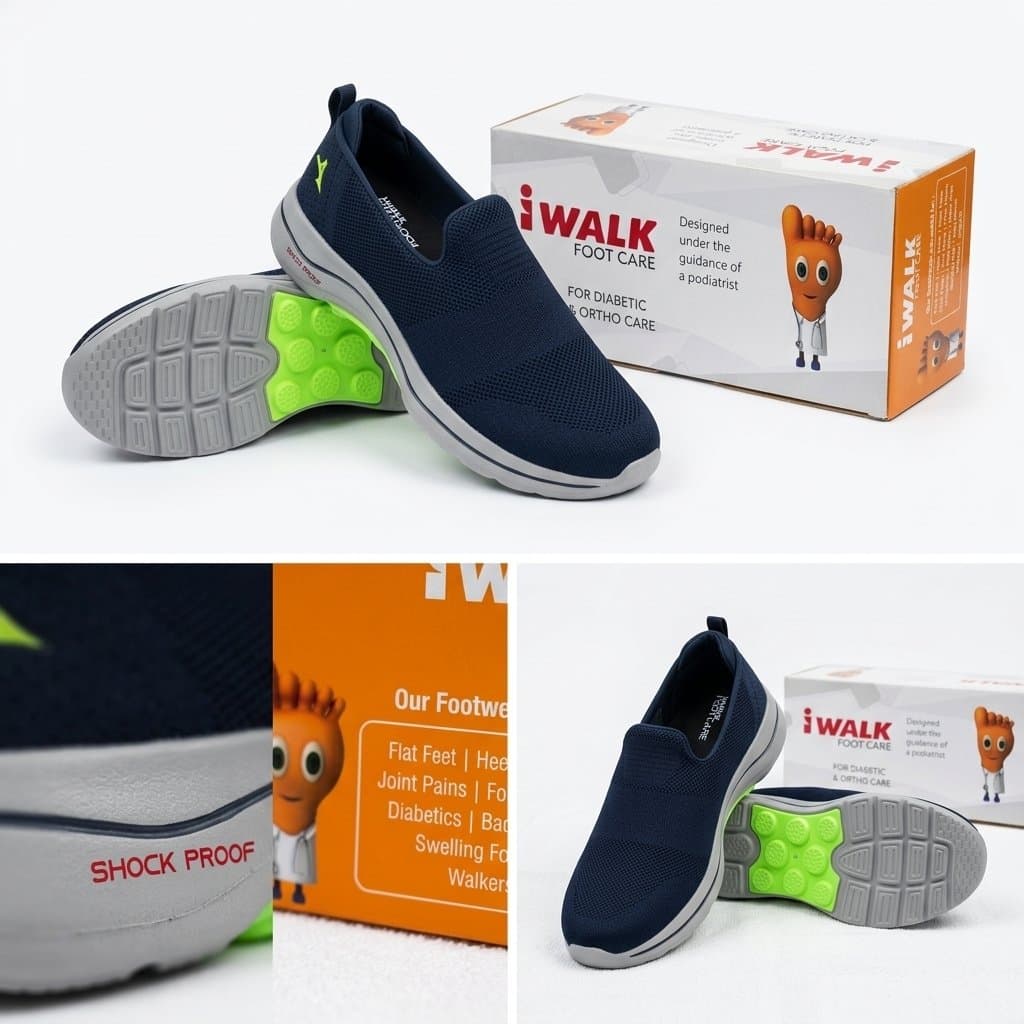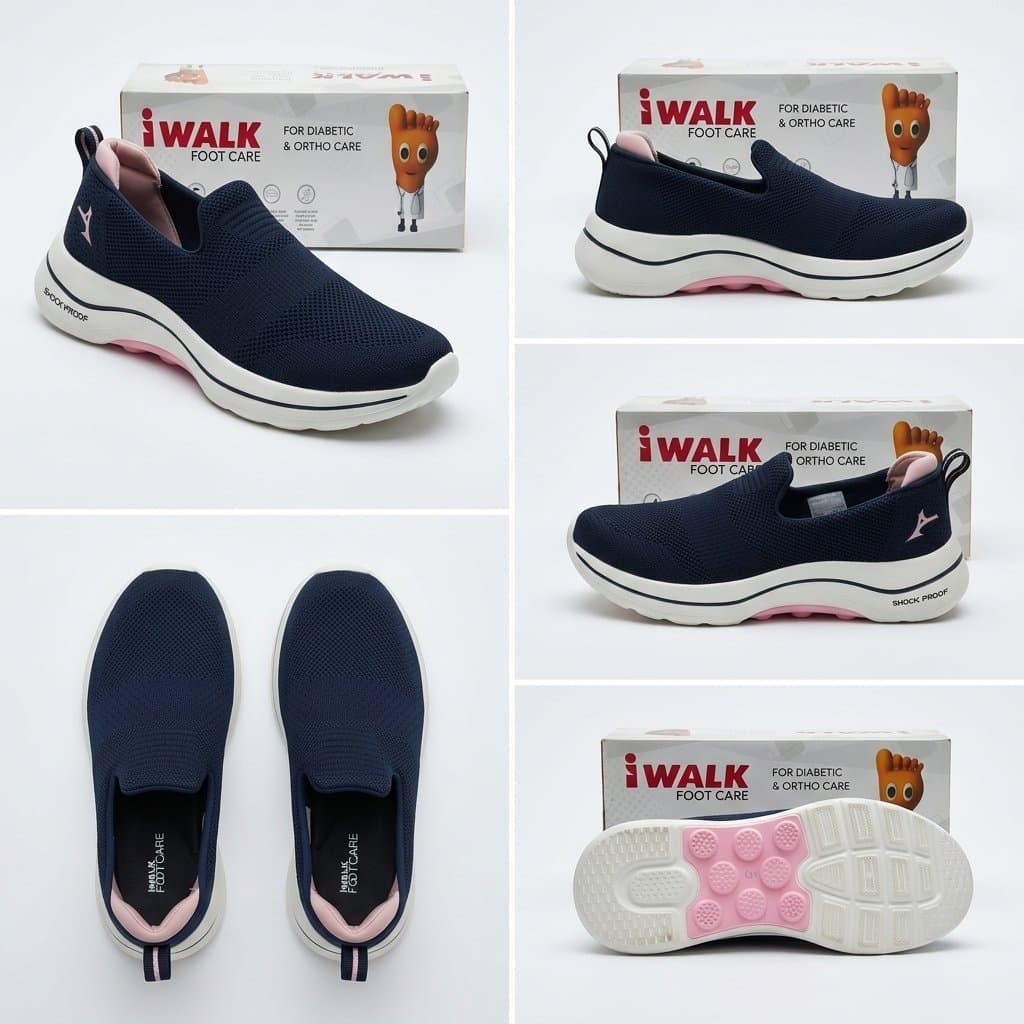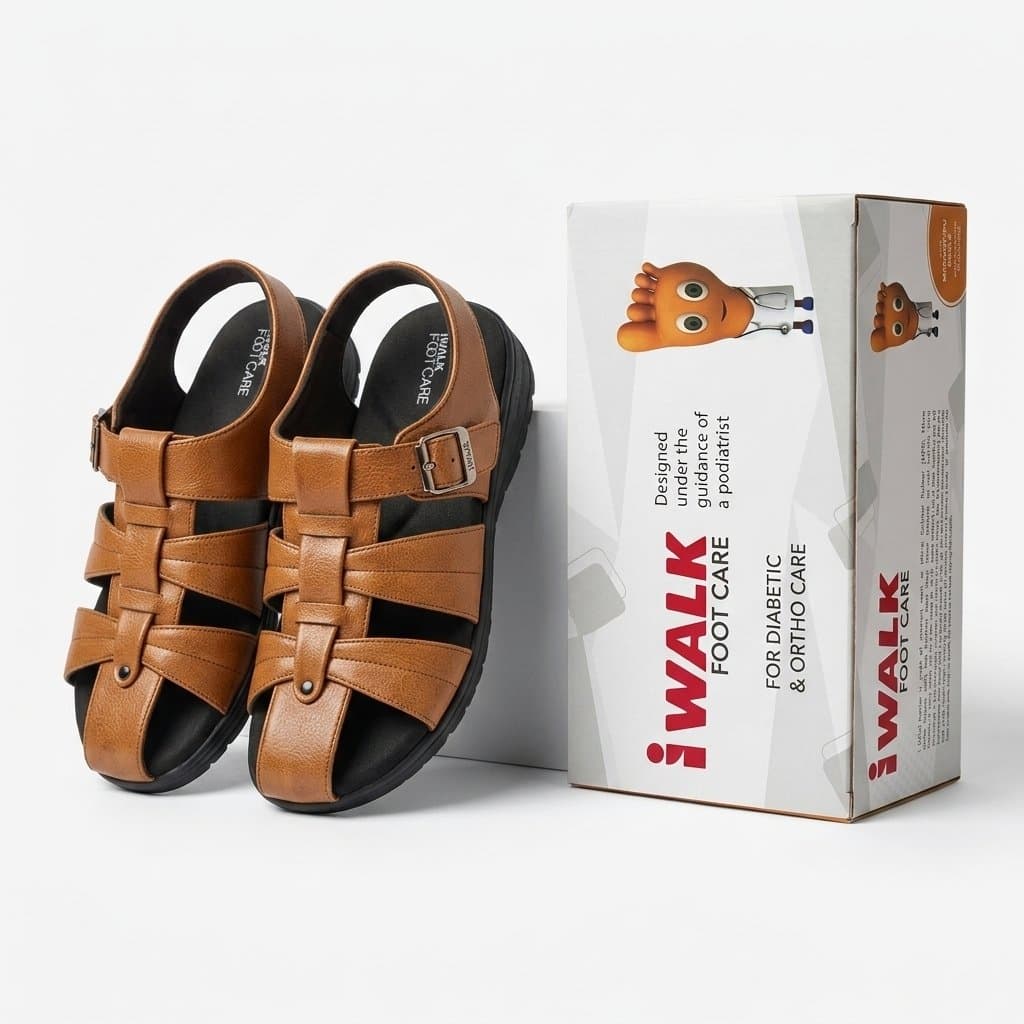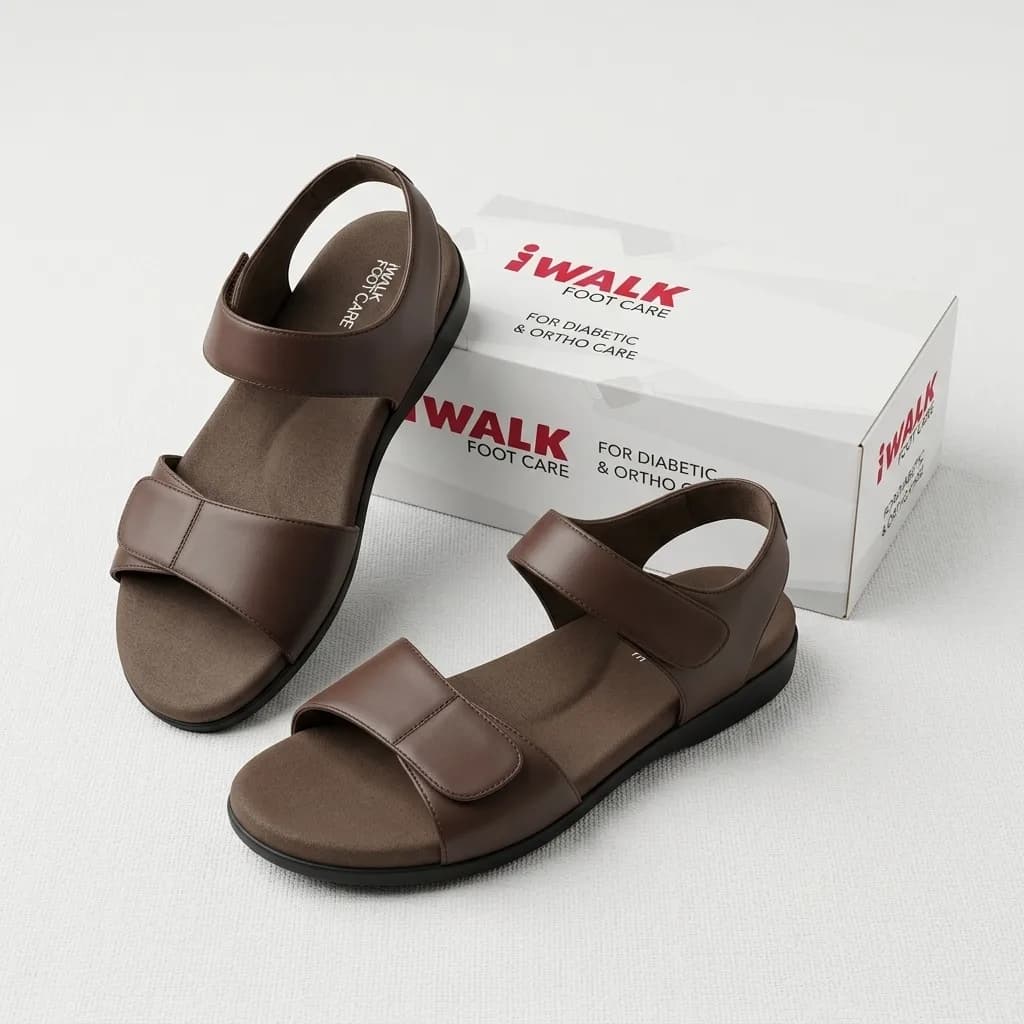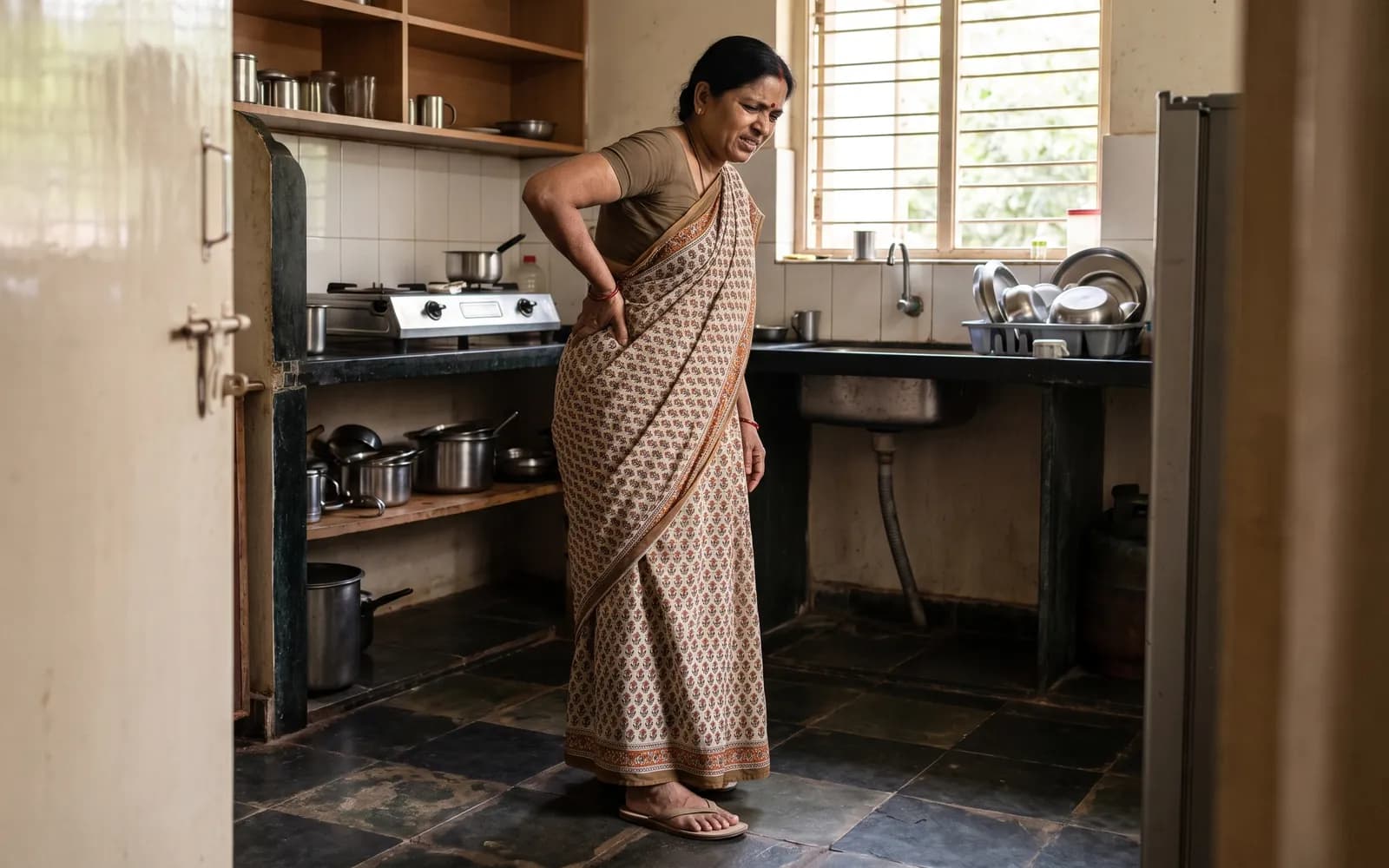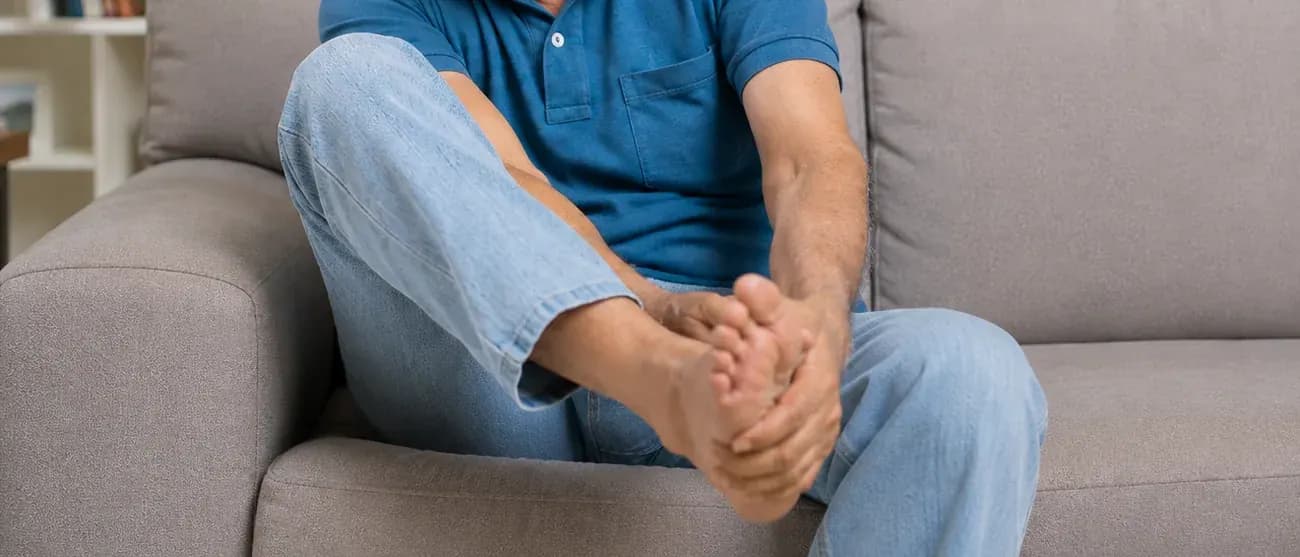
Knee pain — whether from osteoarthritis, an old injury or just years of wear — is extremely common, especially after 40. Footwear won't rebuild cartilage, but it changes how much force travels up to your knees with every step. The right pair can make daily walking noticeably more comfortable.
How your feet affect your knees
- Shock: every step sends impact up the leg. Hard, thin soles pass more of it to the knees.
- Alignment: if the arch collapses (flat feet), the shin rotates inwards, which can strain the knee.
- Heel height: high heels shift load onto the front of the knee.
Footwear features that help
- Cushioned, shock-absorbing sole and footbed — an MCP footbed plus a resilient outsole.
- Arch support — keeps the foot and lower leg better aligned (flat feet guide).
- Low, stable heel — avoid high or narrow heels.
- Stable, non-wobbly base — very soft, unstable footwear can make knees work harder.
- Secure fit — a heel that slips makes you grip with your toes and walk awkwardly.
- Light weight — less effort with every step.
For walking, a cushioned walking shoe is ideal; at home and for errands, a supportive strap sandal works well.
What footwear can't do
Footwear reduces strain; it doesn't treat the underlying condition. The biggest long-term benefits for knee pain usually come from:
- Strengthening the thigh (quadriceps) and hip muscles
- Staying active with walking, cycling or water exercise
- Weight management — less load on the knee with every step
- Guided physiotherapy — see our home-visit physiotherapy in Chennai
Everyday habits that protect your knees
- Avoid sitting cross-legged or squatting for long periods if it hurts.
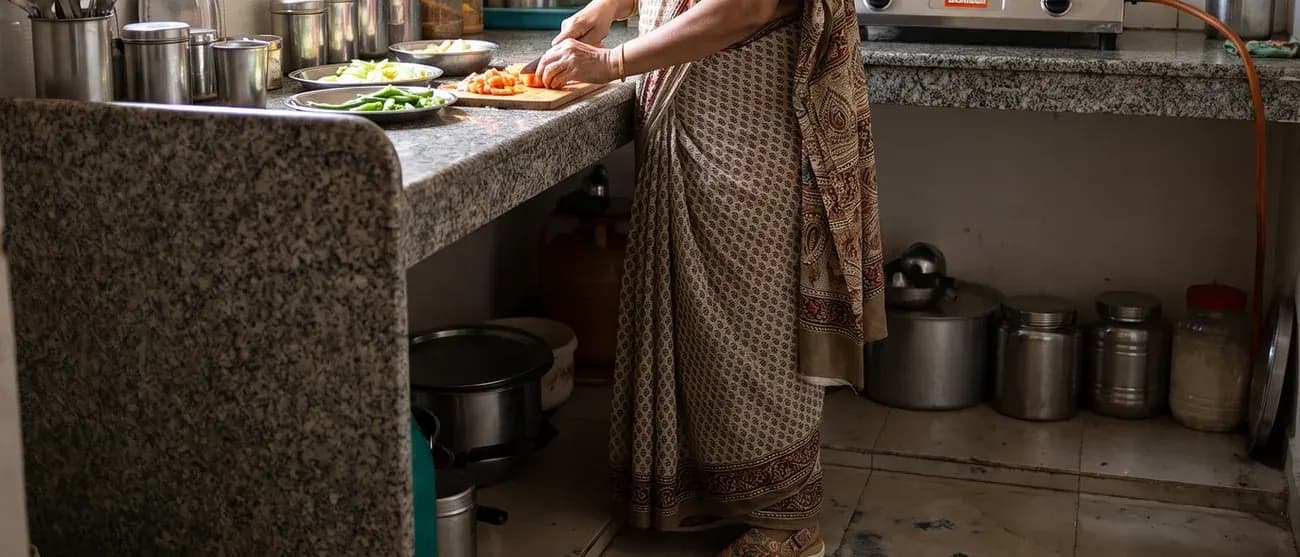
- Use a chair or stool while cooking if standing is painful.
- Take stairs slowly, leading with the stronger leg going up and the painful leg going down.
- Replace footwear when the sole wears unevenly — uneven wear changes how you walk.
When to see a doctor
See a doctor for sudden swelling, locking or giving way of the knee, pain after a fall, or pain that keeps you awake at night.
Sandals or shoes for knee pain?
- Walking shoes give the most cushioning and stability for longer walks and outdoor exercise.
- Strap sandals with a cushioned footbed are comfortable and cool for everyday use in Chennai, as long as they have arch support and a secure heel.
- Closed walker sandals are a good middle ground — protected toes, airy sides, a stable base.
Whatever you choose, avoid backless slippers, which make you grip with your toes and change how you walk.
Simple strengthening exercises
These are commonly recommended for knee pain (stop if pain increases and ask a physiotherapist):
- Straight-leg raise: lying on your back, tighten the thigh and lift the straight leg to the height of the other bent knee. 10 times each leg.
- Sit-to-stand: stand up from a firm chair without using your hands, then sit down slowly. 10 times.
- Wall slide: back against a wall, slide down a little way and back up. 10 times.
- Calf raises: hold a counter and rise onto your toes. 15 times.
A physiotherapist can check your technique and adjust the programme — see home physiotherapy in Chennai.
Footwear for daily activities
Wear supportive footwear while cooking, doing housework and during long standing — the times you're most likely to be barefoot or in thin slippers are often when your knees work hardest.
Key takeaways
- Choose cushioning + arch support + low stable heel.
- Combine footwear with strengthening exercises and physiotherapy.
- Browse our cushioned orthopedic footwear or book home physiotherapy.
General information — not a substitute for medical advice.