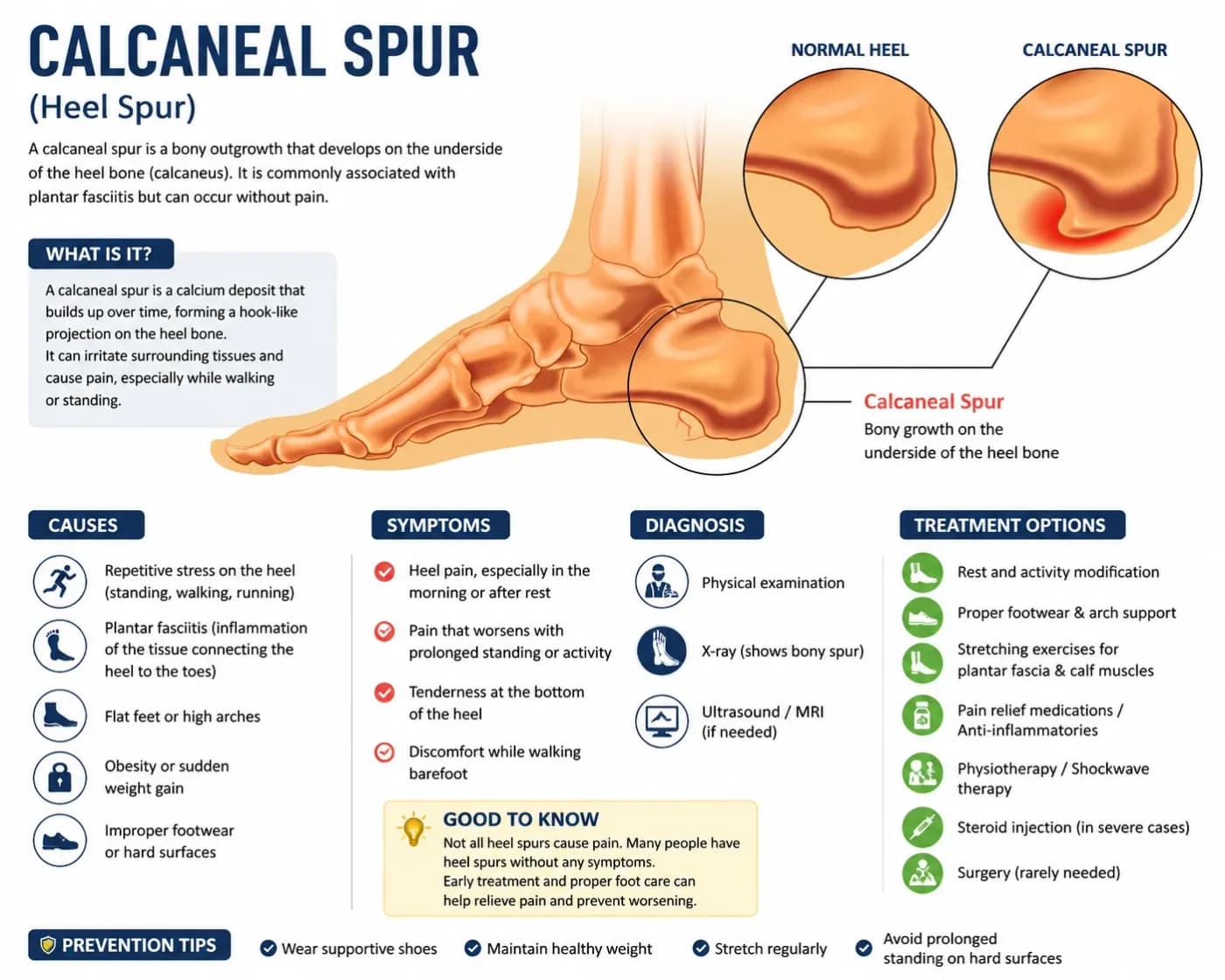
"Doctor said I have a heel spur." We hear this every week at our Adambakkam store. A calcaneal spur is a small bony growth on the underside of the heel bone (the calcaneus), usually where the plantar fascia attaches. It sounds alarming, but the right footwear and some daily habits make a real difference to how it feels.
Why does a heel spur hurt?
Interestingly, many people have heel spurs on X-ray with no pain at all. When it does hurt, the pain usually comes from irritated soft tissue around the spur — often plantar fasciitis — rather than the bone itself. So the goal is to reduce load and impact on that area.
Common signs:
- Sharp, stabbing pain under the heel with the first steps in the morning
- Pain after sitting, easing with movement, then returning after long standing
- A tender spot under the heel
Common contributors: long hours on hard floors, worn-out or flat footwear, extra body weight, tight calf muscles and very flat or high arches.
Footwear features that help a painful heel
- A soft, deep heel cup — cradles the heel pad and absorbs the shock of each step.
- Cushioned MCP footbed — reduces direct pressure under the heel.
- Arch support — stops the sole over-stretching and pulling at the heel.
- A slight heel rise — completely flat soles increase strain.
- Soft upper and lining — nothing should press or rub around the heel.
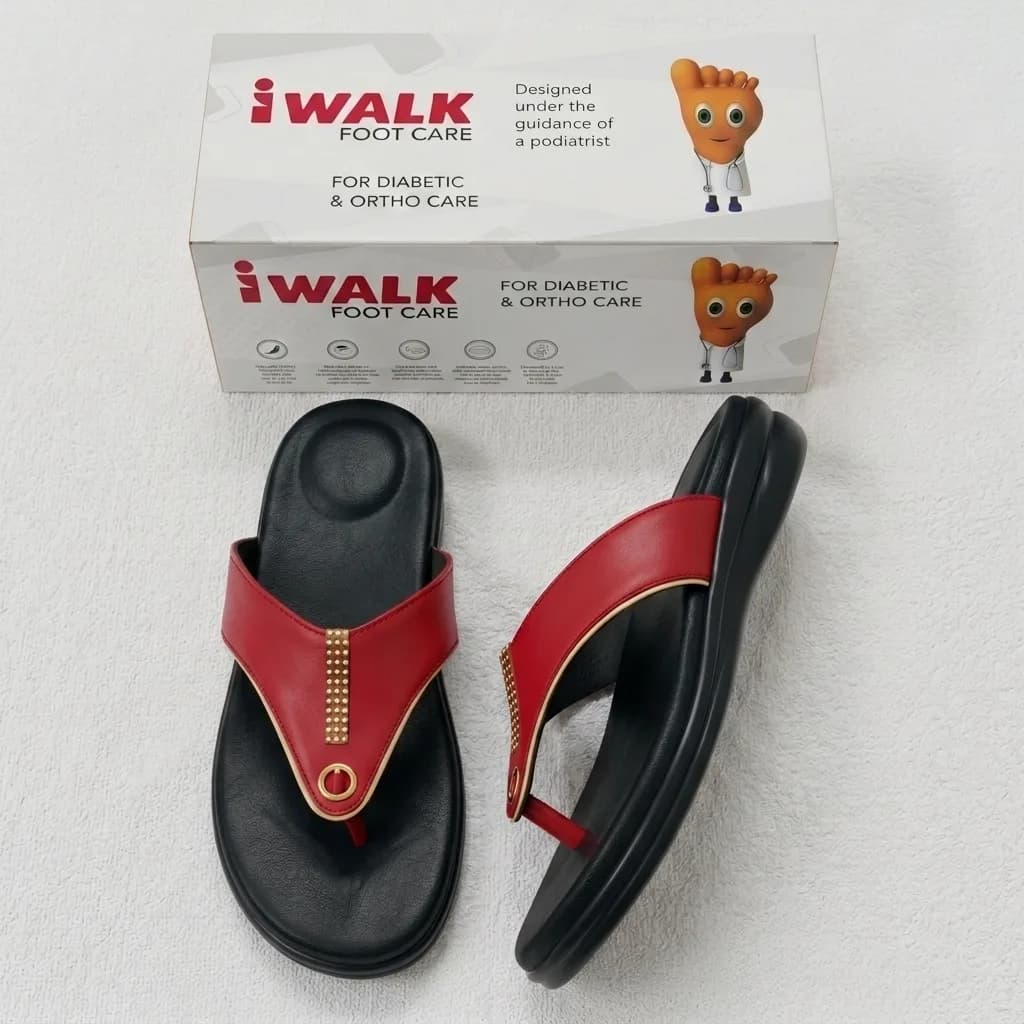
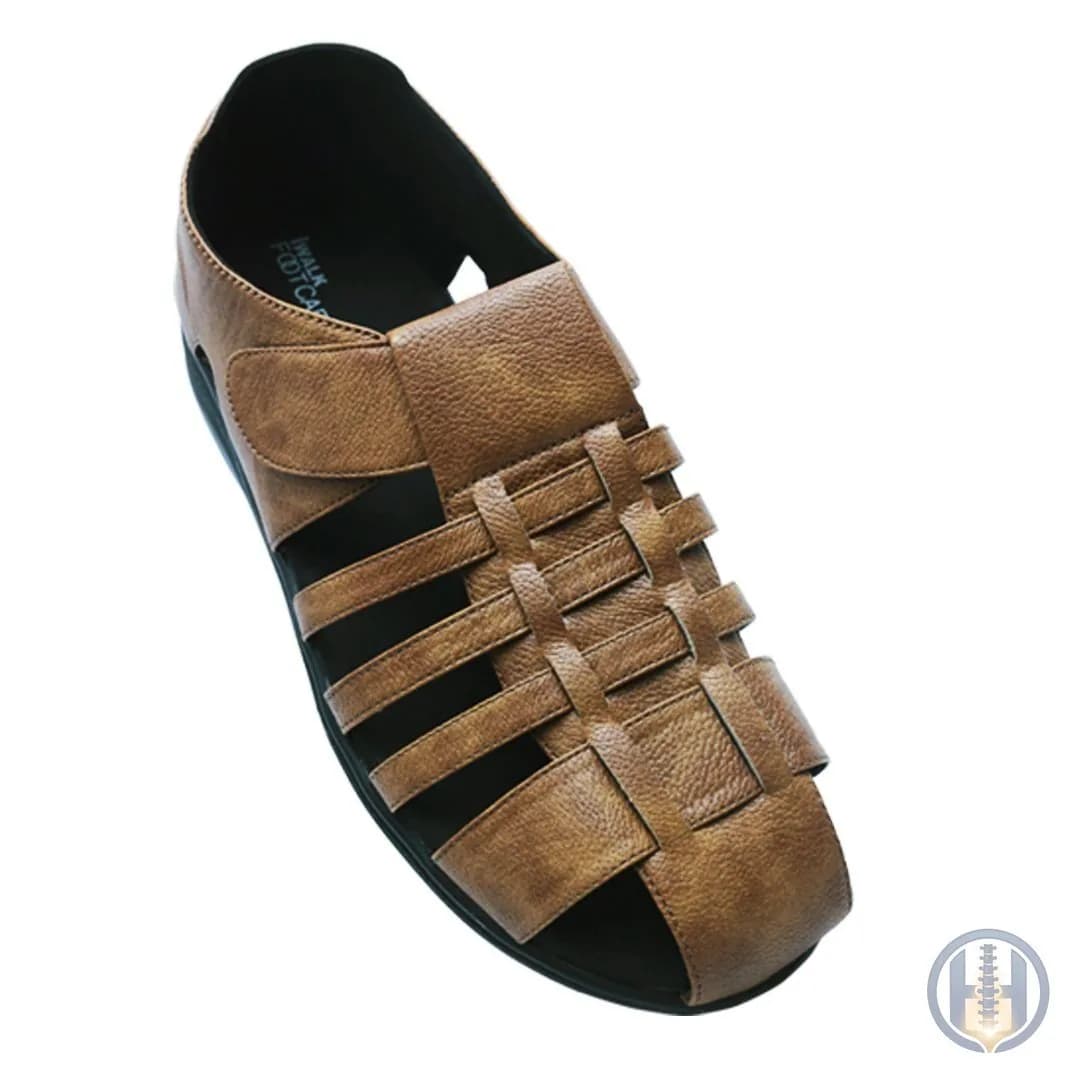
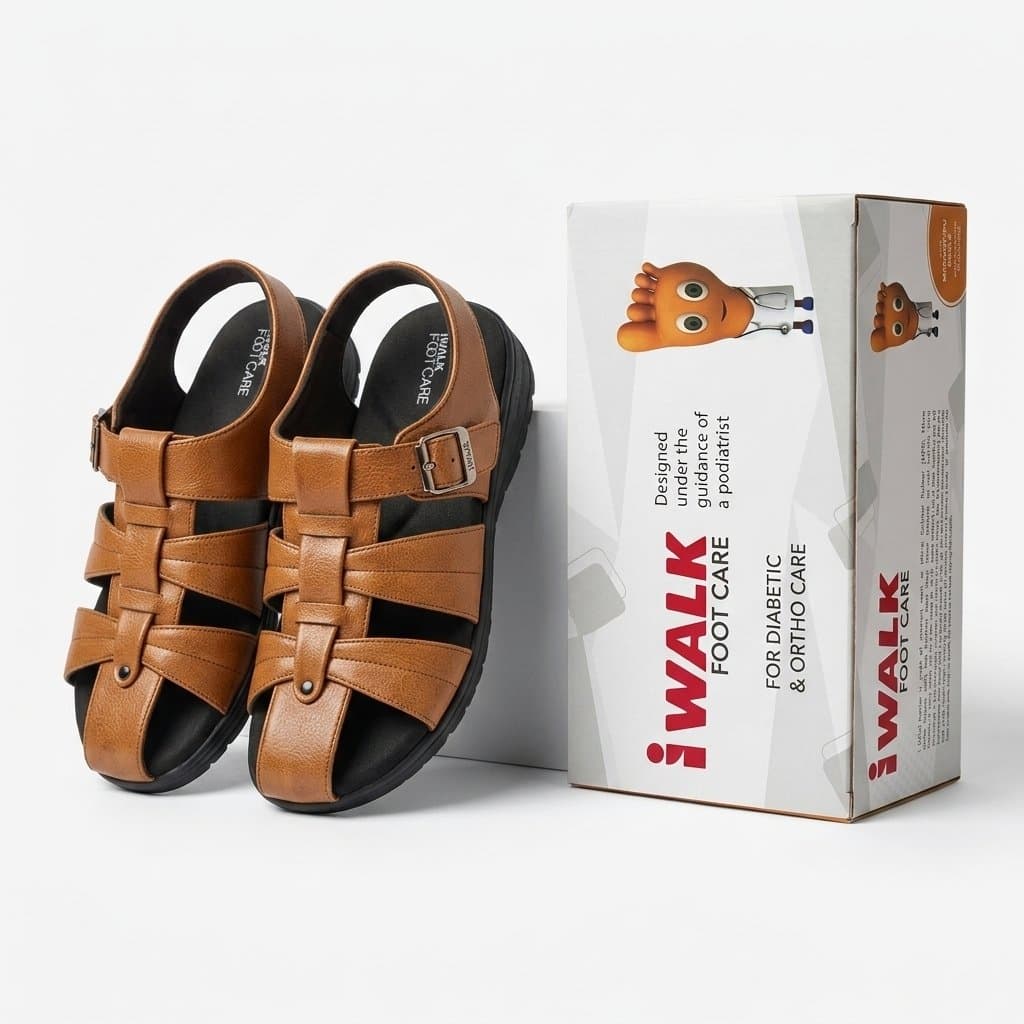
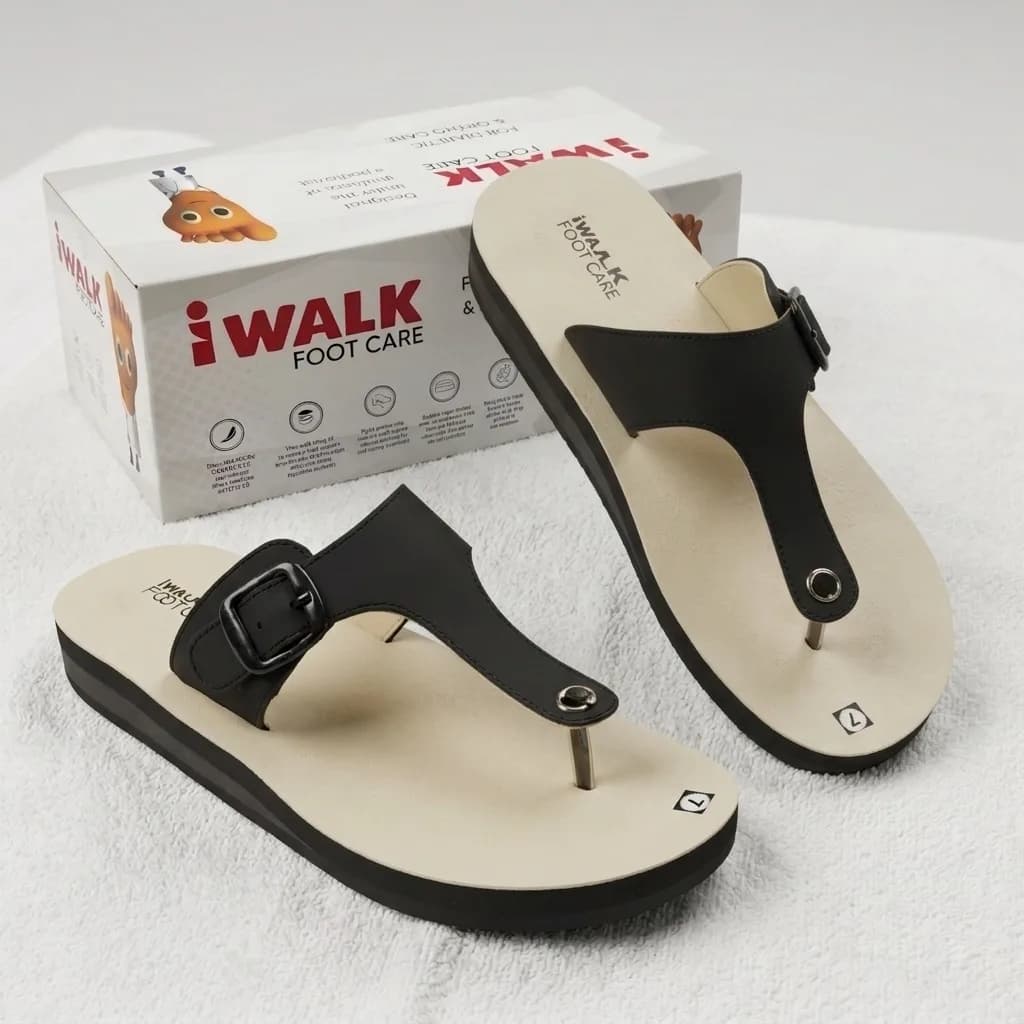
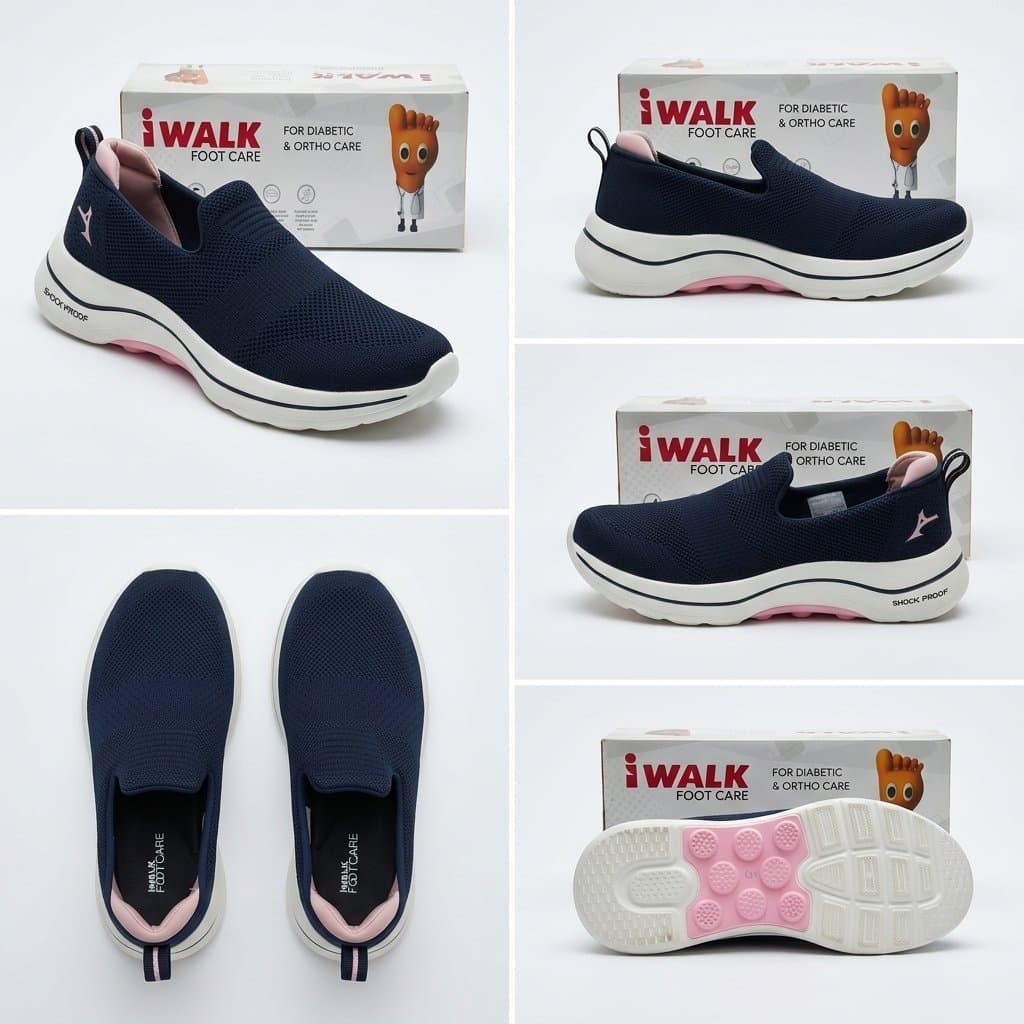
The iWALK heel-soft orthopedic sandal is built for exactly this: a heel-soft sandal with a 12 mm MCP arch-support footbed.
Home care that complements footwear
- Never walk barefoot, especially on marble or tiled floors.
- Calf and plantar fascia stretches twice a day (see our plantar fasciitis guide).
- Cold therapy: roll the heel and arch over a chilled water bottle for a few minutes in the evening.
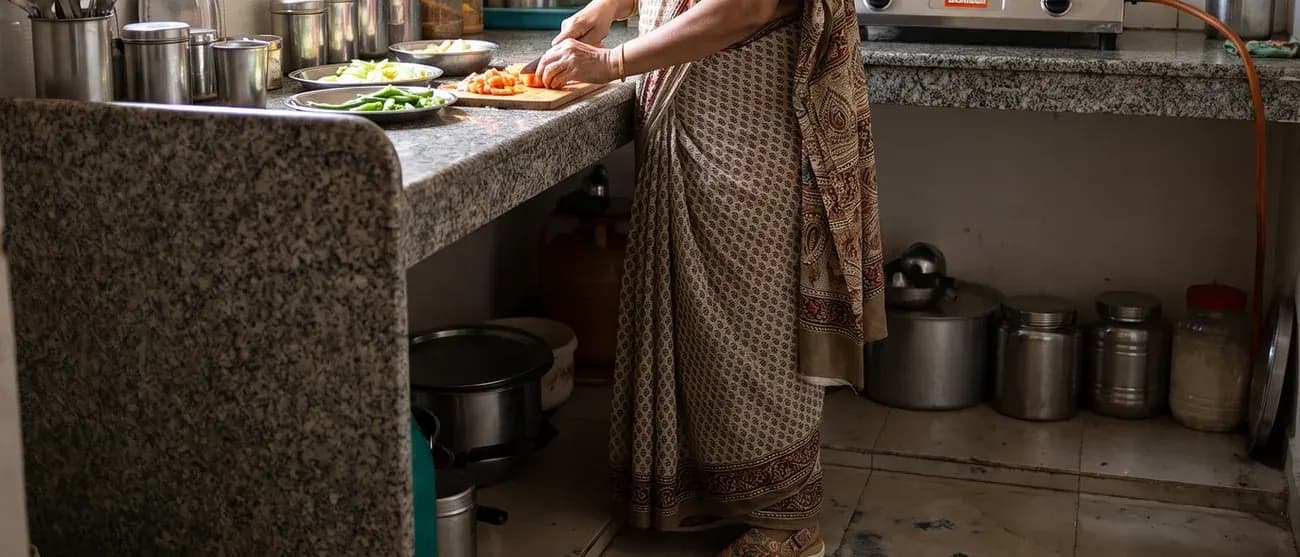
- Break up long standing — cooking, shop counters and ironing are common culprits; stand on a soft mat.
- Weight management — every kilo less is less load on the heel.
When to see a doctor
See a doctor if pain is severe, lasts more than a few weeks despite care, wakes you at night, or comes with swelling, numbness or fever. A physiotherapist can add targeted exercises — we offer home-visit physiotherapy across Chennai.
Heel spur vs plantar fasciitis: what's the difference?
The two are closely linked and often confused:
- Plantar fasciitis is irritation of the plantar fascia, the band of tissue under the foot. It's a soft-tissue problem.
- A heel spur is a small bony growth on the heel bone, visible on X-ray. It often develops over time where the fascia pulls on the bone.
Many people have both; some have a spur with no pain at all. Because the pain usually comes from the irritated tissue, the footwear and home care for both are very similar. Read our plantar fasciitis footwear guide for stretches and a daily routine.
Mistakes that keep heel pain going
- Walking barefoot on hard floors at home — the most common one we hear.
- Wearing old chappals with a flattened heel area.
- Only resting without stretching the calves and arch.
- Sudden increases in walking, for example on pilgrimages or holidays.
- Standing still for hours on hard floors without breaks.
Footwear at home vs outside
Keep one supportive pair only for indoors so it stays clean and you're never tempted to walk barefoot. For outside, choose a pair with a grippy sole and a closed or strapped back. Many customers with heel spurs find a cushioned heel-cup sandal at home and a closed walker outside the most comfortable combination.
Key takeaways
- The spur itself often isn't the main pain source — irritated tissue is.
- Choose deep cushioned heel cup + MCP footbed + arch support.
- Combine footwear with stretching, cold therapy and no barefoot walking.
This article is for general information and does not replace medical advice.