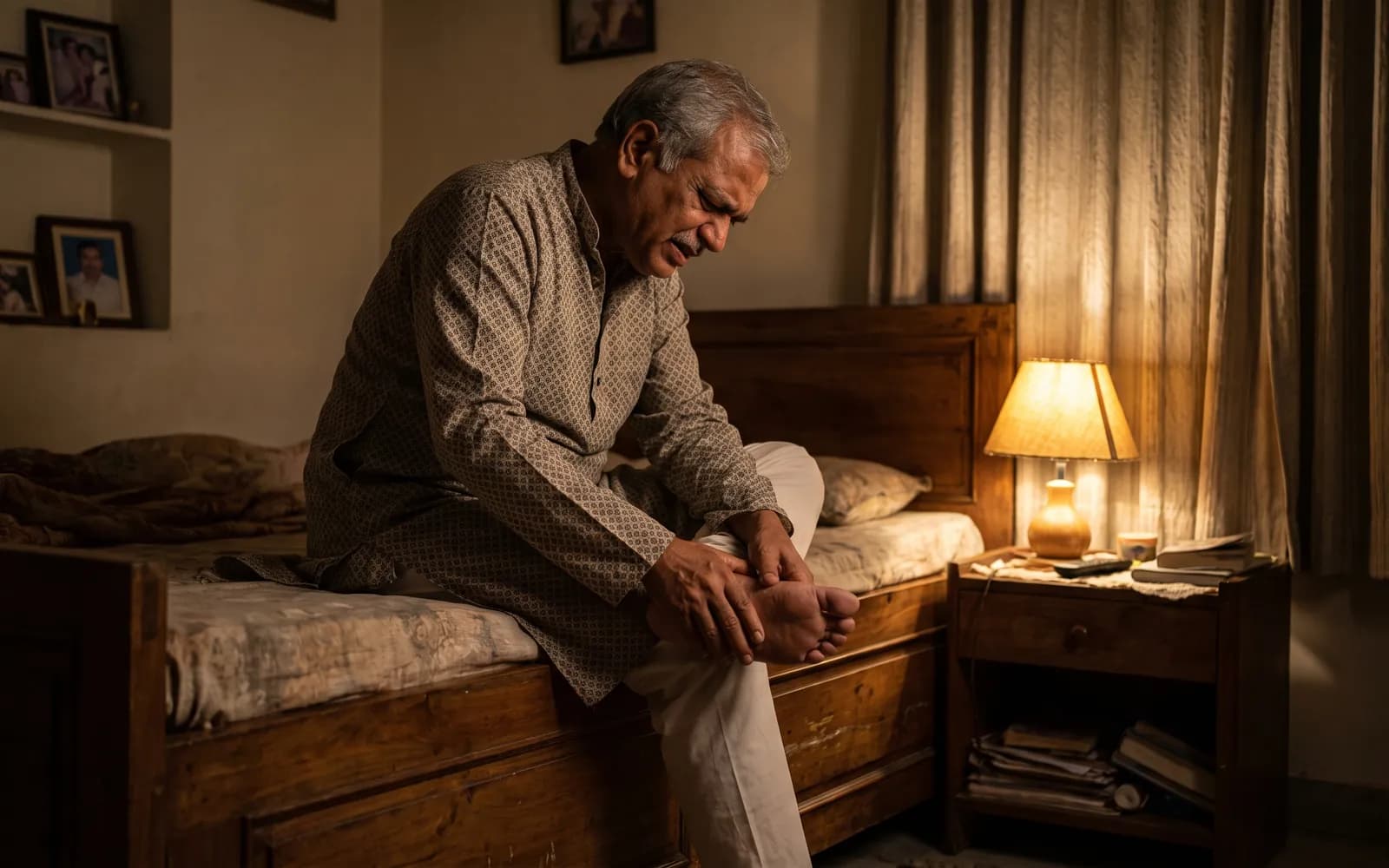
Visiting temples is part of daily and festival life for many families in Chennai — the Kapaleeshwarar Temple in Mylapore, the Parthasarathy Temple in Triplicane, the Vadapalani Murugan Temple and countless neighbourhood temples. Footwear stays outside, so we walk barefoot on stone that may be sun-baked at noon or wet after rain. For people with diabetes, heel pain or flat feet, this needs a little planning.
The risks of barefoot walking on temple floors
- Burns from hot stone, which people with reduced sensation may not feel.
- Cuts and pricks from small stones, flower stems or broken glass.
- Slips on wet or oily floors.
- Heel and arch pain from long periods standing and walking on hard stone without cushioning.
- Infection risk from walking barefoot in crowded, wet areas.
Before you go
- Choose your timing. Early morning and evening visits avoid the hottest stone.
- Check your feet for any existing cuts or blisters — cover them and consider postponing long visits if you have an open wound.
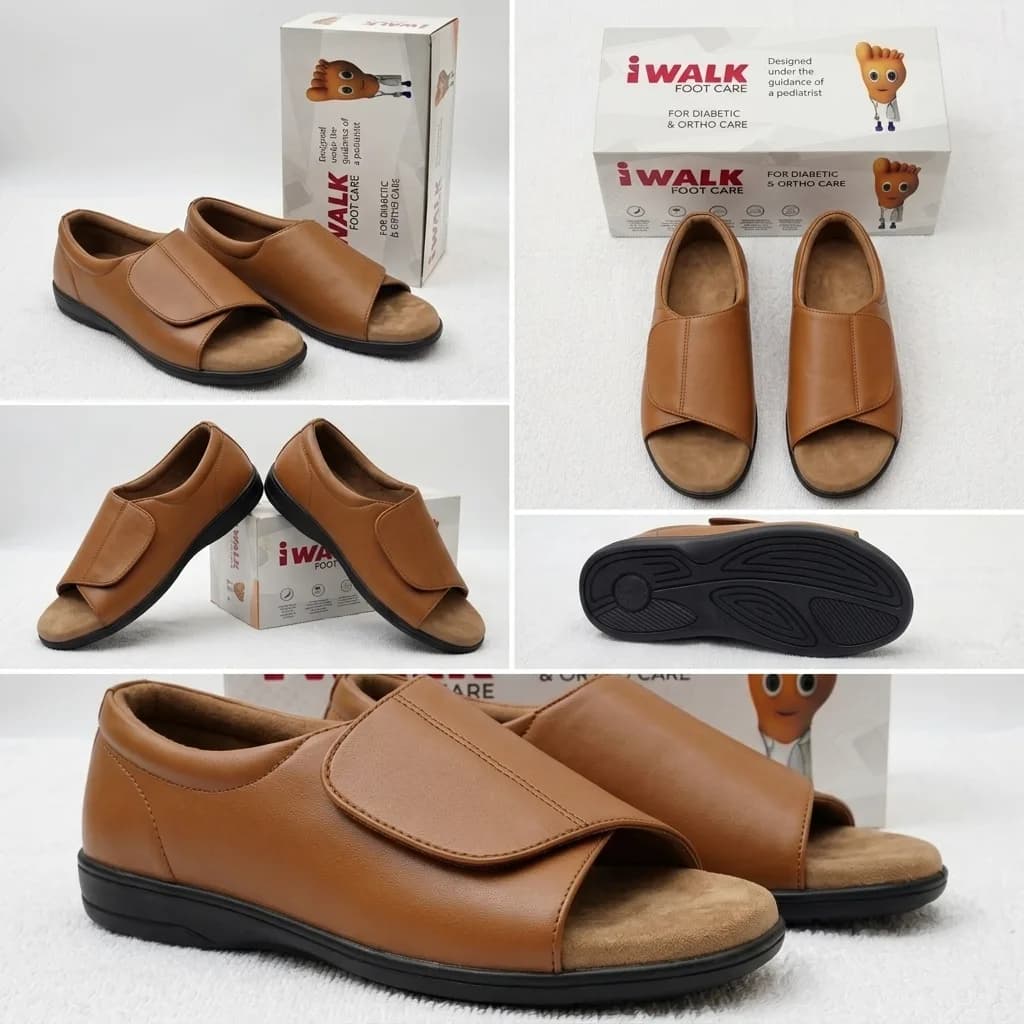
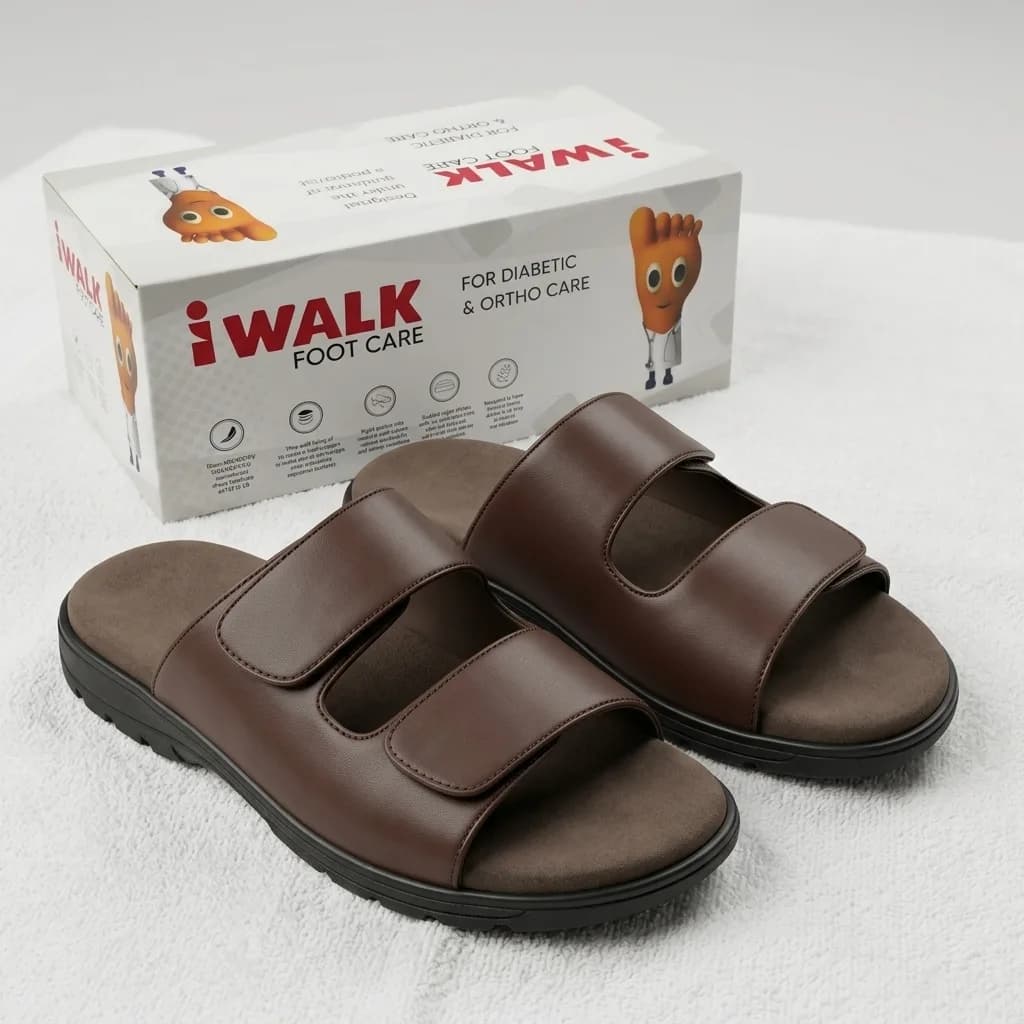
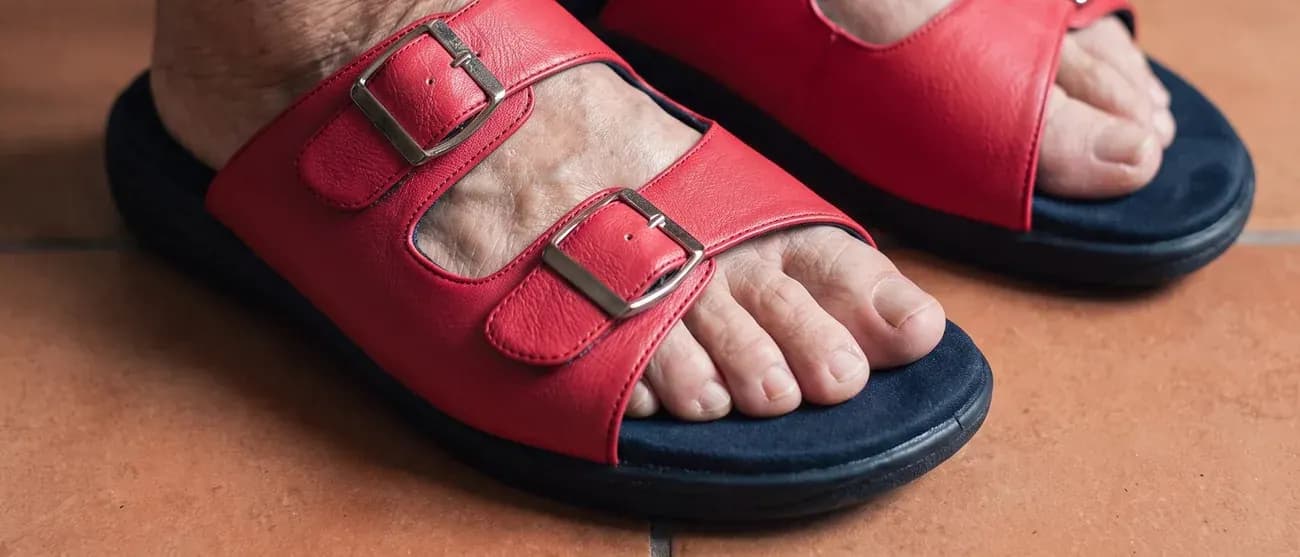
- Wear easy slip-on footwear so you spend less time standing barefoot at the footwear stand. Velcro slip-ons and simple sandals work best.
- Carry a small cloth to wipe your feet afterwards.
At the temple
- Walk on shaded paths and mats where available.
- Avoid standing still on hot stone — keep moving or step onto a mat or cooler surface.
- Take breaks during long queues by shifting weight or sitting where allowed.
- Watch your step on wet floors near tanks and washing areas.
After the visit
- Wash your feet with soap and clean water and dry them well, especially between the toes.
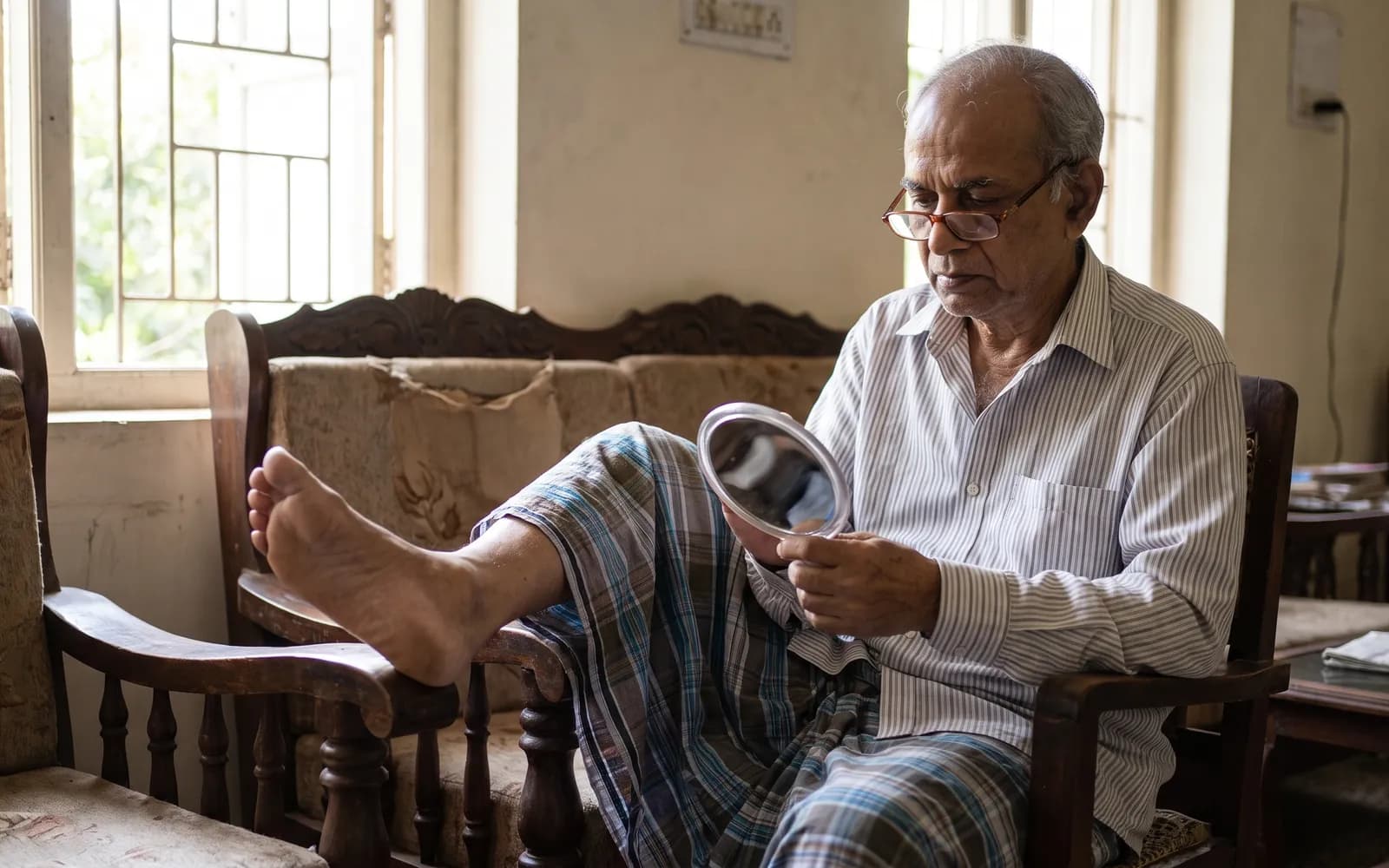
- Inspect your soles — look for redness, blisters, burns or cuts.
- Moisturise your heels (not between the toes).
- Rest with your feet raised for 15 minutes.
- See a doctor promptly if you find a wound, burn or blister and have diabetes (warning signs).
Festival seasons and pilgrimages
Festivals such as Navaratri, Karthigai Deepam and temple car festivals often mean longer queues and more walking. For pilgrimages involving long barefoot walks, talk to your doctor first if you have diabetes or neuropathy (neuropathy guide). Between temple stops, wear cushioned, supportive footwear to give your feet a break.
The right footwear for temple days
- Slip-on with a wide velcro strap — quick on and off, even with swollen feet. See the AJL Majestic.
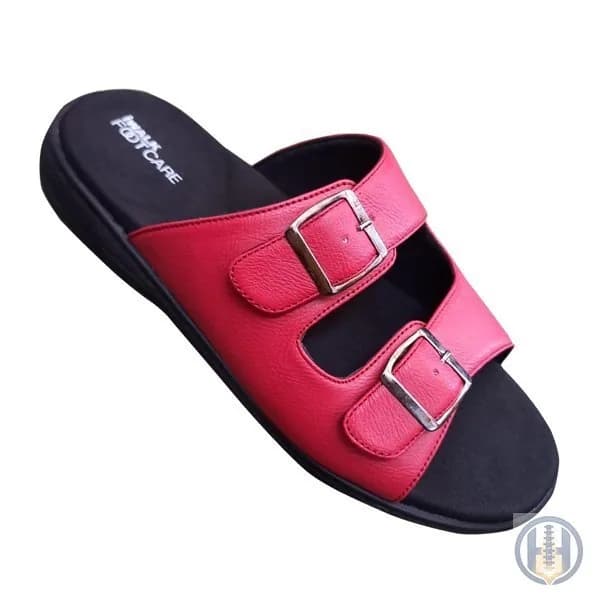
- Buckle slides like the AJM 18 slip on without fastening every time.
- Cushioned MCP footbed to recover from the hard stone.
A simple temple-day kit
Keep these in a small cloth bag for temple visits and festival days:
- A clean cloth or small towel to wipe your feet
- A small bottle of water to rinse sand and dust off your feet before putting footwear back on
- A sachet of moisturiser for your heels
- An adhesive bandage for small blisters (people with diabetes should still show any wound to a doctor)
- Your glucose tablets or snack if your medicines can cause low sugar
For elders and family members
Elderly parents often find temple visits the most tiring part of a festival. Help them by:
- Choosing less crowded times so they don't stand in long queues
- Holding their arm on wet or uneven steps
- Bringing a folding stool where seating is allowed
- Checking their feet together after you get home
Footwear safety at the temple entrance
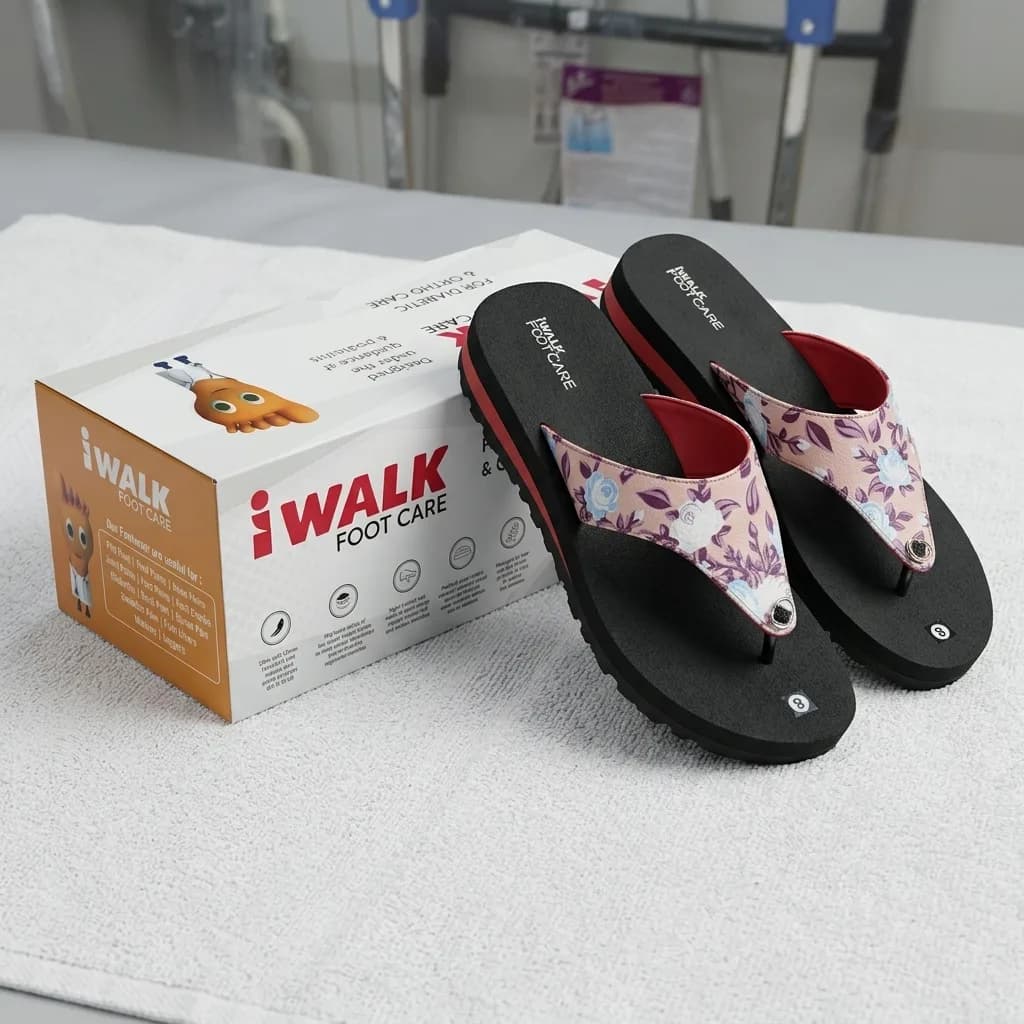
Footwear left at temple entrances sometimes goes missing or gets mixed up, especially at busy festivals. Many families keep an inexpensive but supportive pair, such as an everyday orthopedic flip-flop, just for temple visits — so a costlier diabetic pair stays safe at home. If you have diabetes or neuropathy, though, don't compromise on a protective pair for the walk to and from the temple.
Key takeaways
- Visit at cooler times, keep moving on hot stone and use mats.
- Wash and inspect your feet after every visit.
- Choose easy slip-on, cushioned footwear for temple days. Shop men's and women's footwear.
General information only — follow your doctor's advice, especially if you have diabetes.