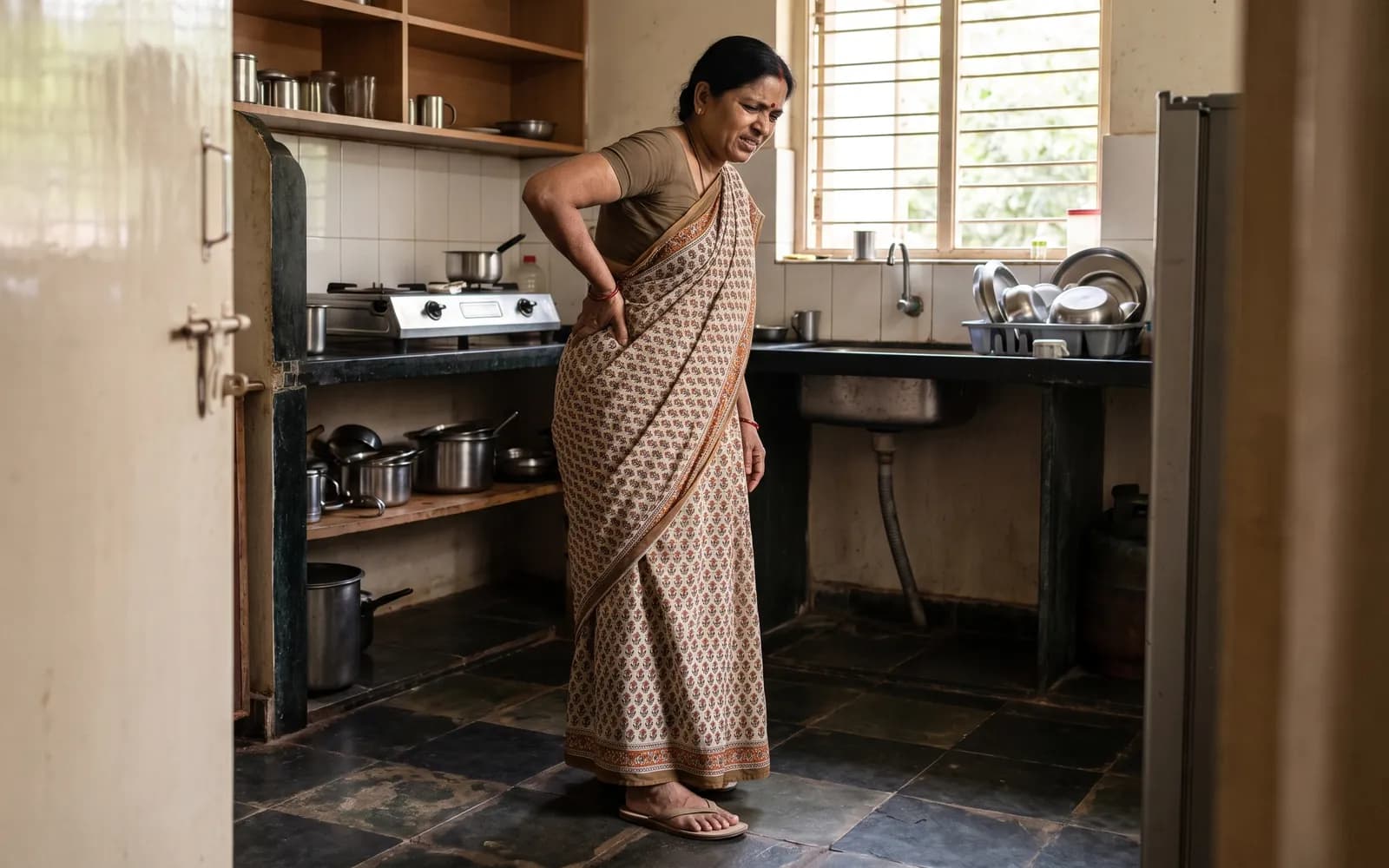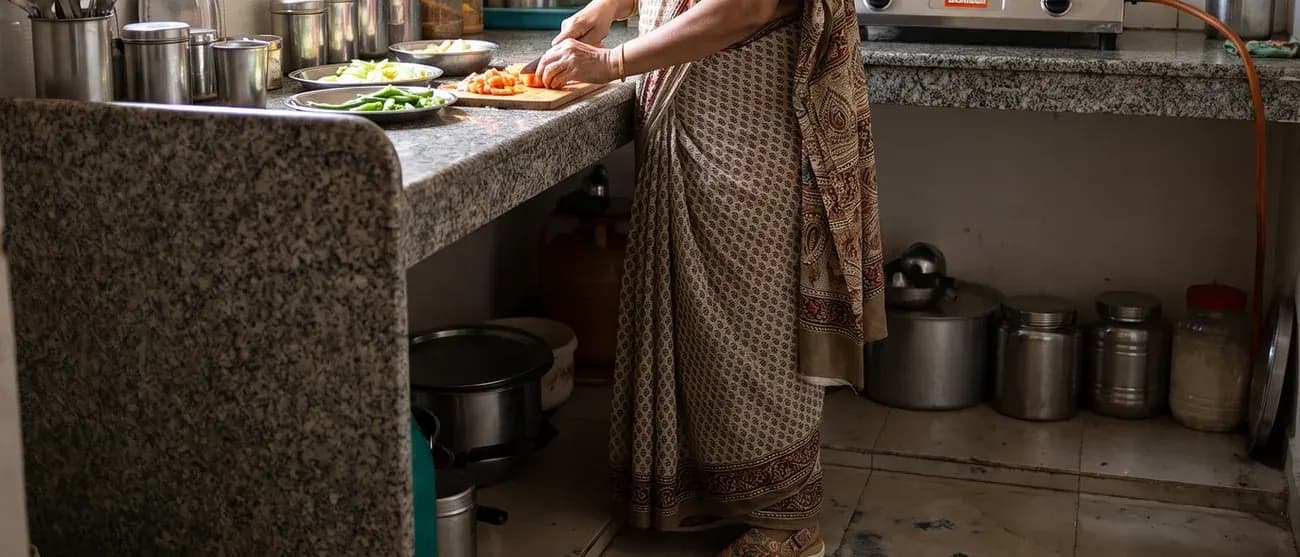
Many jobs in Chennai mean standing for most of the day — teachers in classrooms, nurses on hospital wards, shopkeepers and sales staff, security guards, pharmacists, salon staff, cooks — and, of course, homemakers standing in the kitchen. Standing still is actually harder on the feet than walking, because the same muscles and tissues stay loaded without a break.
What long standing does to your feet and legs
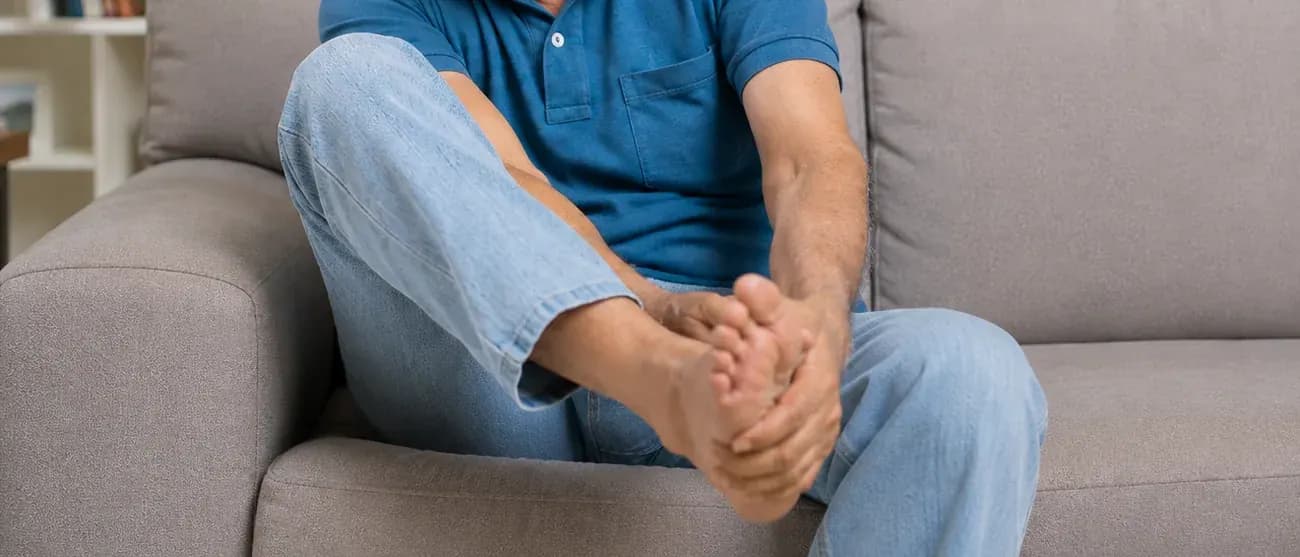
- Heel and arch pain — the plantar fascia stays under constant load (plantar fasciitis).
- Swelling in the feet and ankles by evening.
- Aching calves and knees.
- Lower back ache from posture and hard floors.
- Varicose veins can be aggravated by long standing — see a doctor if you notice them.
Footwear features for standing jobs
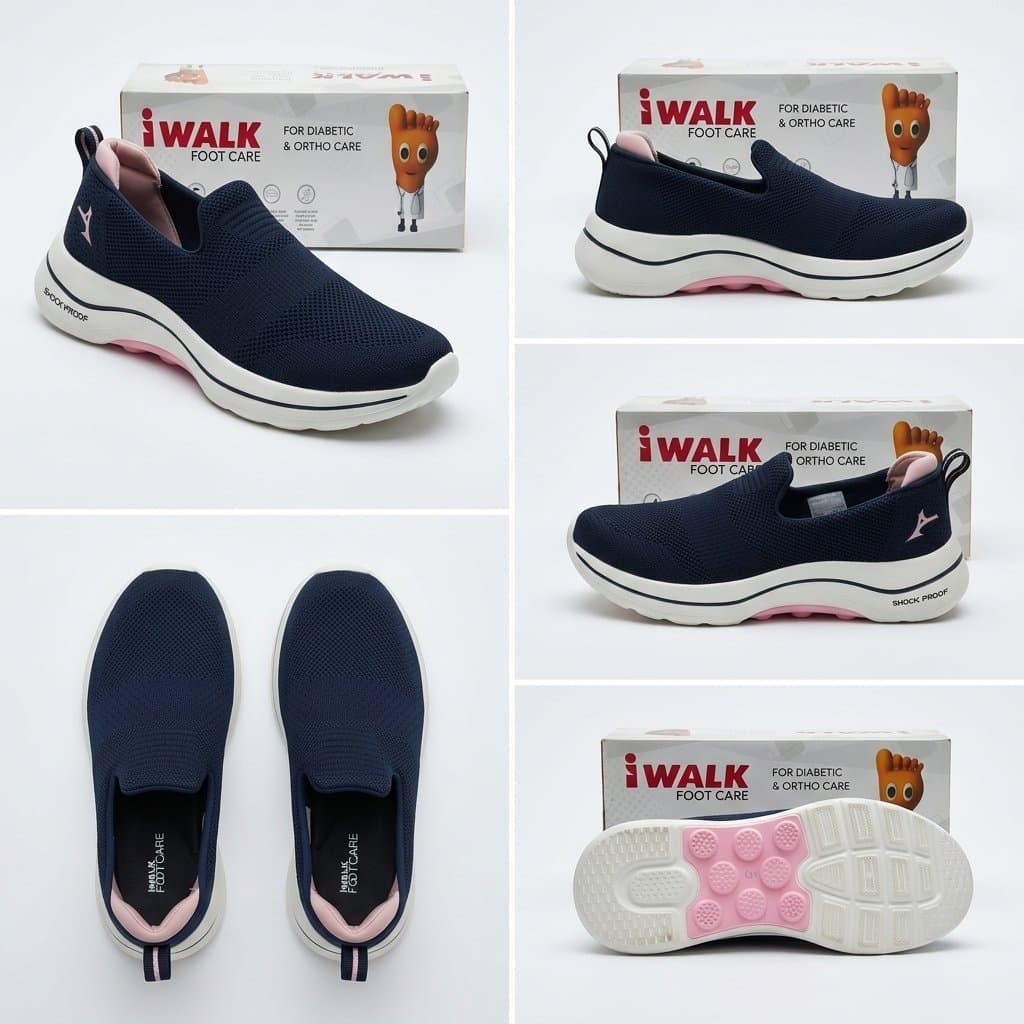
- Cushioned MCP footbed — spreads pressure and absorbs the constant load.
- Contoured arch support — reduces arch fatigue and heel pain.
- Roomy toe box — room for evening swelling.
- Firm heel cup — stability on hard floors.
- Slip-resistant sole — wards, kitchens and shop floors can be slippery.
- Adjustable straps — loosen as feet swell.
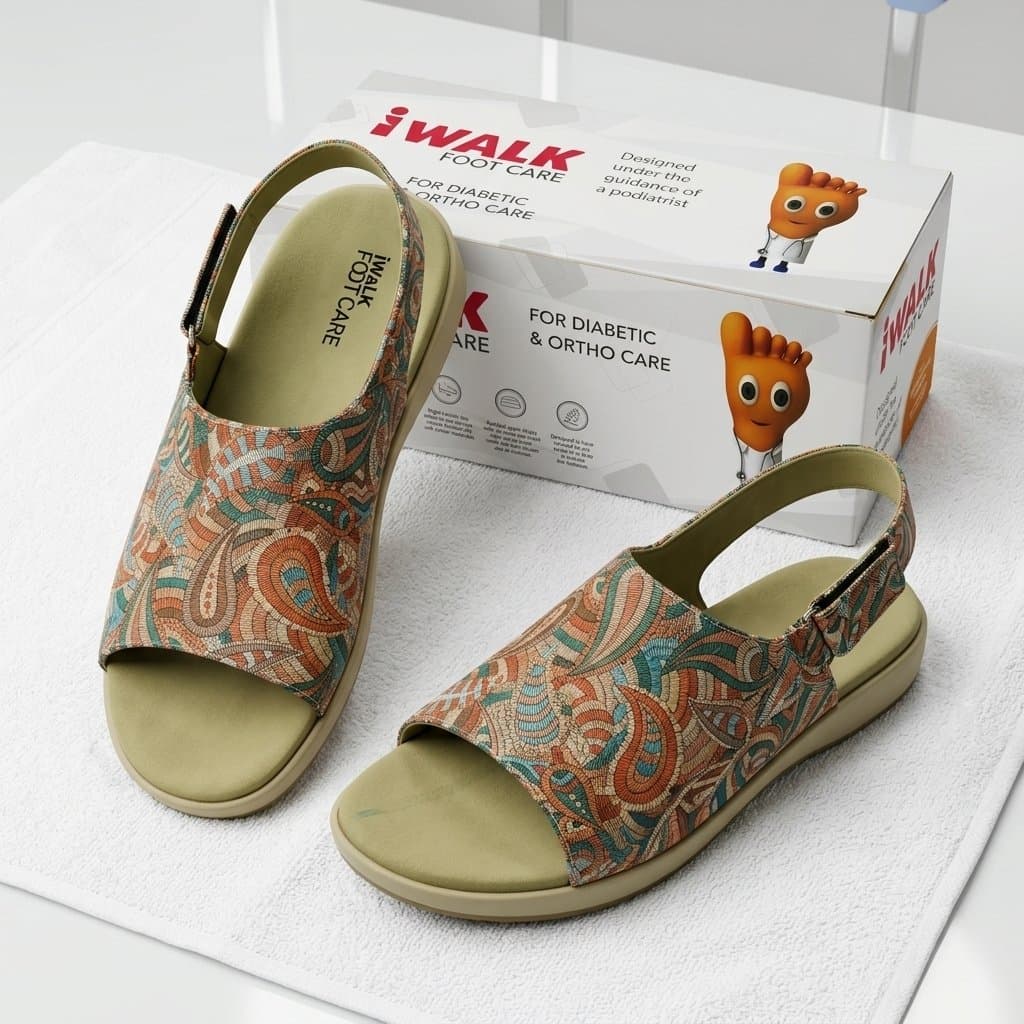
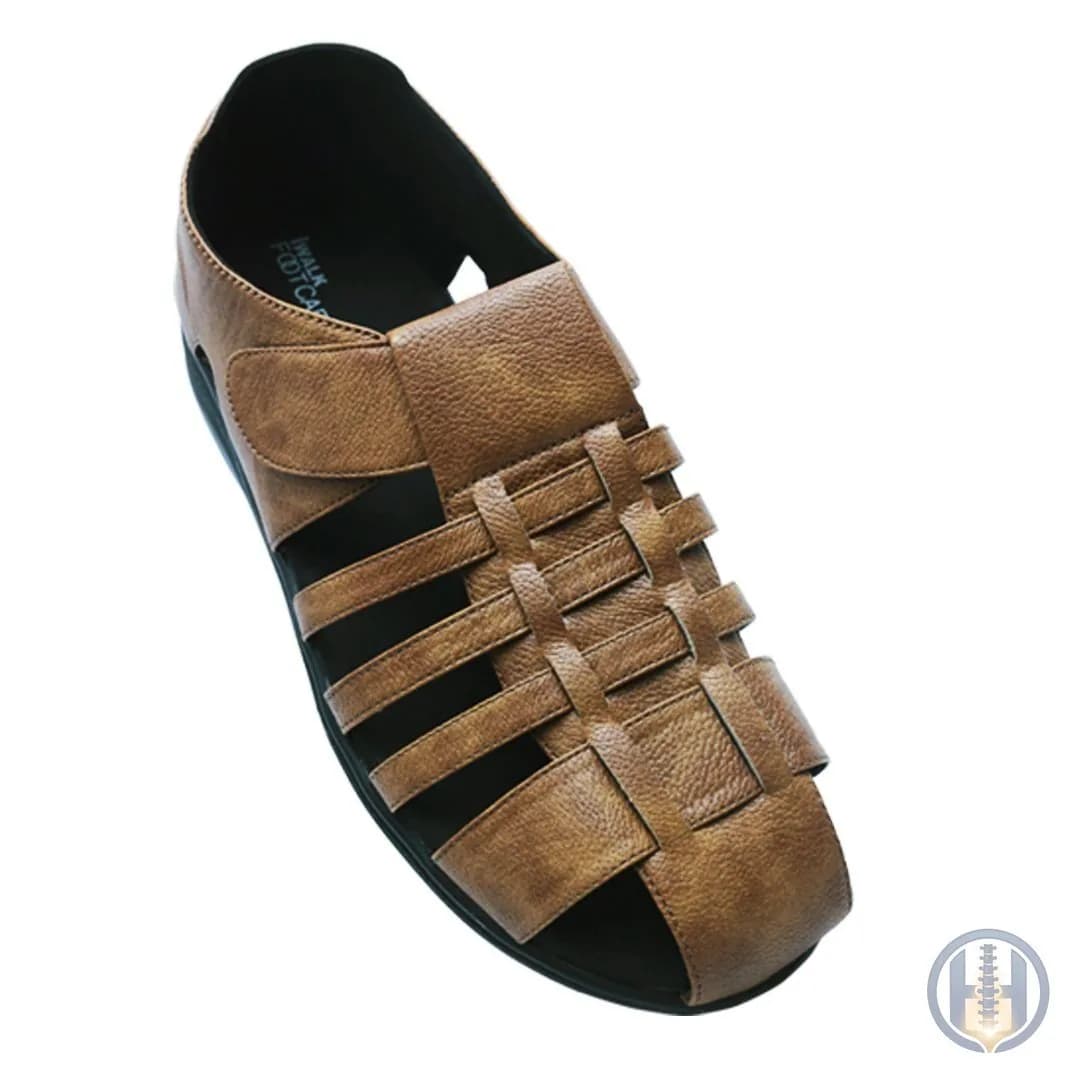
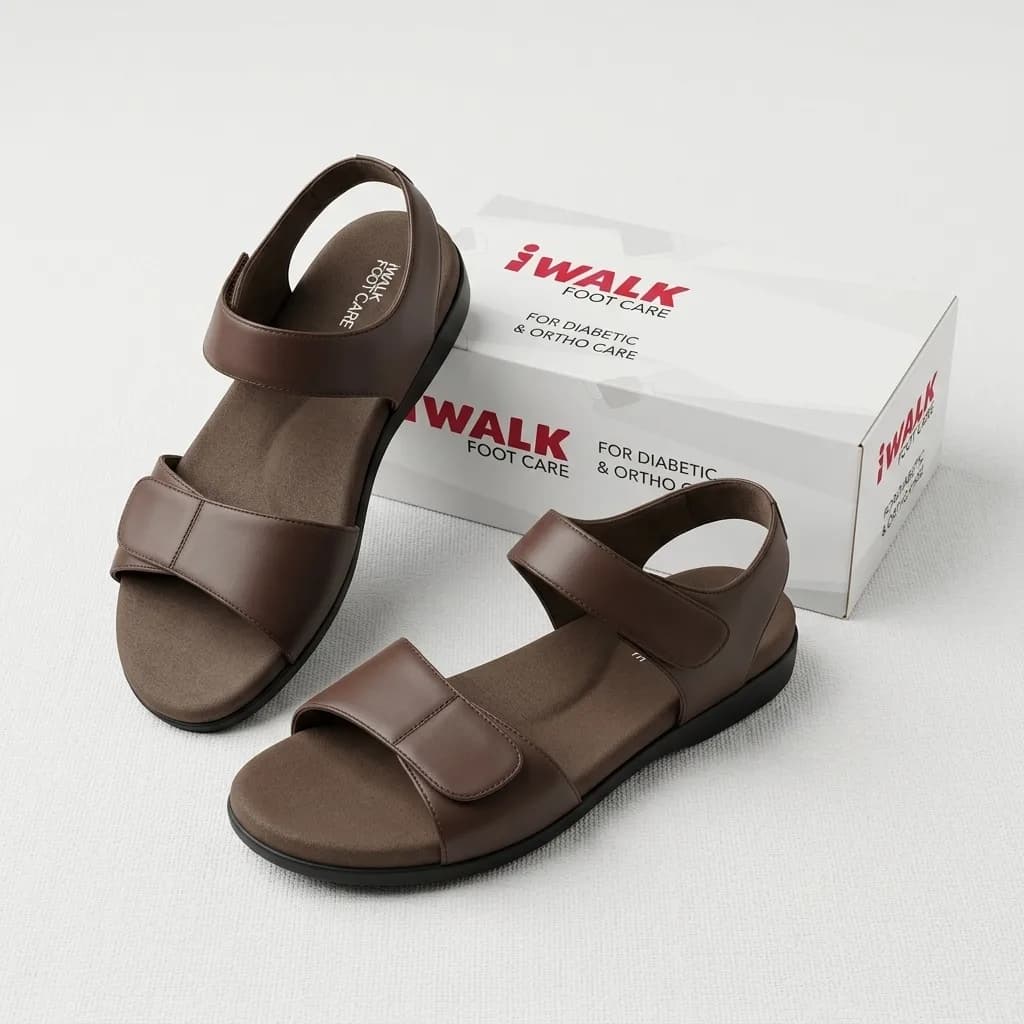
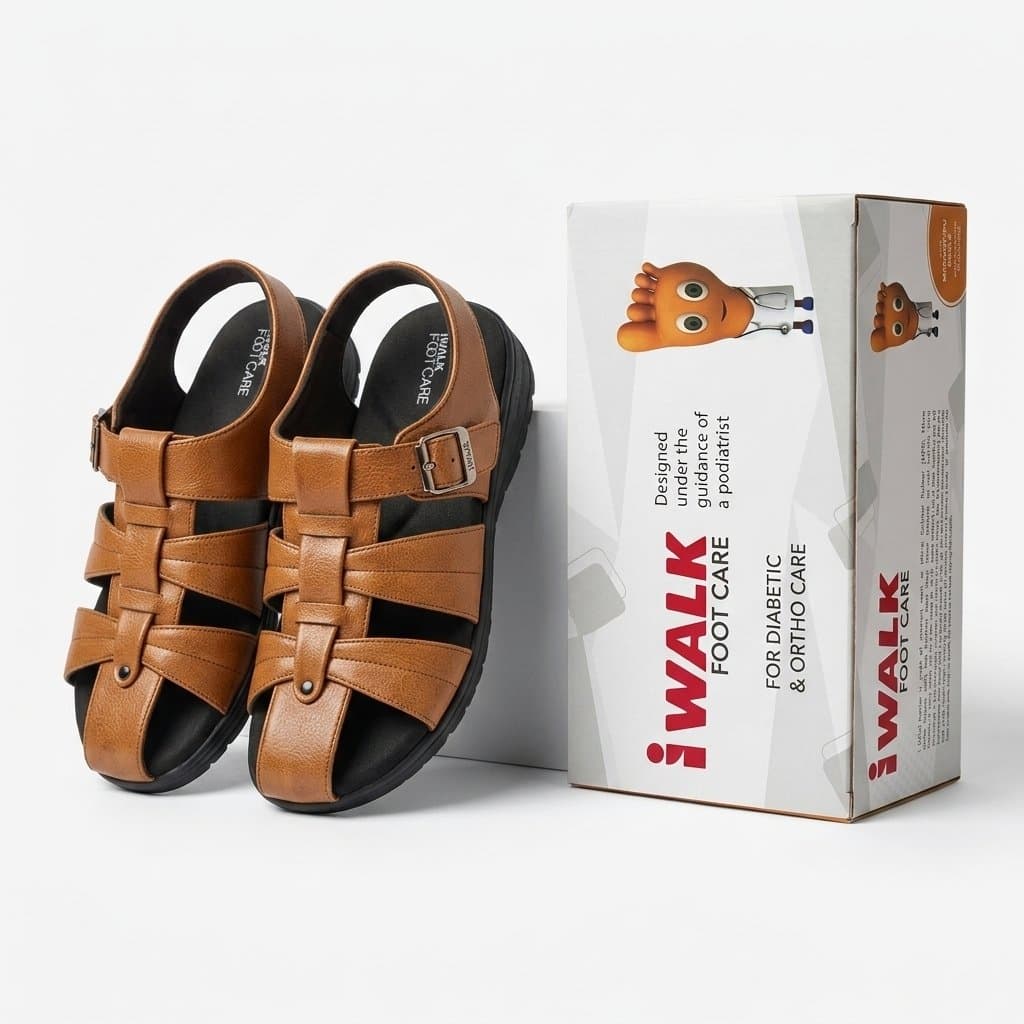
Hospital and school rules often require closed or semi-closed footwear — walking shoes or closed walker styles like the AJM Walker work well. For homemakers, a supportive home sandal like the AJL 32 is a big upgrade from thin rubber slippers.
Habits that make long days easier
- Shift your weight regularly and change position.
- Walk a few steps every 20–30 minutes rather than standing still.
- Stand on a soft mat at counters and in the kitchen.
- Calf raises and stretches during short breaks.
- Sit whenever you can, even briefly.
- Raise your feet for 15 minutes after work.
- Rotate two pairs of work footwear so each footbed recovers.
When to replace work footwear
With 8+ hours of daily use, footbeds compress faster. Replace pairs when the heel area stays flattened, the sole wears unevenly, or new aches appear — usually every 6–12 months for heavy use.
For homemakers in particular
Many women spend hours standing on hard kitchen floors barefoot or in flat rubber slippers. Switching to a cushioned, arch-supporting home sandal is one of the simplest ways to reduce heel pain and evening fatigue (orthopedic footwear for women).
Profession-specific tips
- Teachers: walk between rows instead of standing at the board; keep a supportive pair at school if your commute footwear is different.
- Nurses and hospital staff: wards are hard and long — closed, slip-resistant, cushioned footwear; rotate two pairs; elevate feet after night shifts.
- Shopkeepers and sales staff: use an anti-fatigue mat behind the counter and a high stool for quieter hours.
- Security staff: cushioned closed footwear and short walking rounds rather than standing still at one post.
- Cooks and homemakers: a soft kitchen mat and a supportive home sandal — never barefoot on kitchen tiles.
- Salon and boutique staff: low, stable heels and short sitting breaks between clients.
A five-minute after-work routine
- Remove footwear and check your feet for red marks or blisters.
- Roll each arch over a ball or chilled bottle for one minute.
- Do 10 slow calf raises and a 30-second calf stretch on each side.
- Lie down with your feet raised on a pillow for 10 minutes.
- Moisturise your heels before bed.
This small routine, combined with supportive footwear, noticeably reduces next-morning heel pain for many people who stand all day.