
Numbness in the feet — a loss of feeling, a "dead" or cotton-wool sensation, often with tingling or pins and needles — can be harmless (you sat cross-legged for too long) or an early sign of something that needs treatment. The trouble with numb feet is that they cannot warn you about cuts, blisters or pressure, so small injuries can go unnoticed.
This guide covers the common causes, what you can do, when to see a doctor, and how to protect numb feet with the right footwear.
Common causes of numbness in the feet
1. Diabetes (peripheral neuropathy)
Long-standing high blood sugar damages the small nerves in the feet. Numbness usually starts in the toes of both feet and creeps upward, sometimes with burning or tingling. Read our guides on diabetic neuropathy and early diabetes symptoms in the feet.
2. Vitamin B12 deficiency
Common in vegetarians, older adults and people on long-term metformin. A blood test can check it. See also burning sensation in feet.
3. Pinched nerves in the back or leg
A slipped disc or sciatica can cause numbness that runs from the lower back down the leg into the foot, often on one side. Our guide to footwear for sciatica pain explains what helps.
4. Tarsal tunnel syndrome and tight shoes
A pinched nerve near the inner ankle, or shoes that squeeze the front of the foot, can cause numbness in the toes or sole. This is common with narrow shoes and also seen with bunions.
5. Other causes
- Thyroid problems and kidney disease
- Heavy alcohol use
- Poor circulation in the legs
- Certain medicines
- Prolonged sitting in one position

Numbness in one foot vs both feet
| Pattern | Possible causes |
|---|---|
| Both feet, starting in the toes | Diabetes, vitamin B12 deficiency, kidney or thyroid problems |
| One foot only | Pinched nerve in the back, tarsal tunnel, injury, circulation problem |
| Comes and goes with position | Sitting posture, nerve pressure |
| With sudden weakness or loss of balance | Seek urgent medical help |
What to do about numb feet
The right treatment depends on the cause, so the first step is to find out why.
- Get checked. A doctor can test blood sugar (HbA1c), vitamin B12, thyroid and kidney function and examine sensation in your feet.
- Control the cause. Keep diabetes in range, correct any deficiency and avoid alcohol excess, as advised by your doctor.
- Stay active with gentle walking and ankle movements to improve circulation.
- Check your feet every day for cuts, blisters, redness or swelling — numb feet will not tell you.
- Never walk barefoot, even at home. Our daily diabetic foot care tips show the routine.
- Test bath water with your elbow, not your foot.
Protecting numb feet with the right footwear
When you cannot feel pressure, your shoes must do the feeling for you:
- A cushioned, pressure-spreading footbed (MCP).
- A seamless, soft lining so there is nothing to rub.
- A roomy toe box, especially if there is swelling.
- A secure fit that does not allow the foot to slide forward.
- An upper that you can see and check easily — open sandals make daily checks simpler.
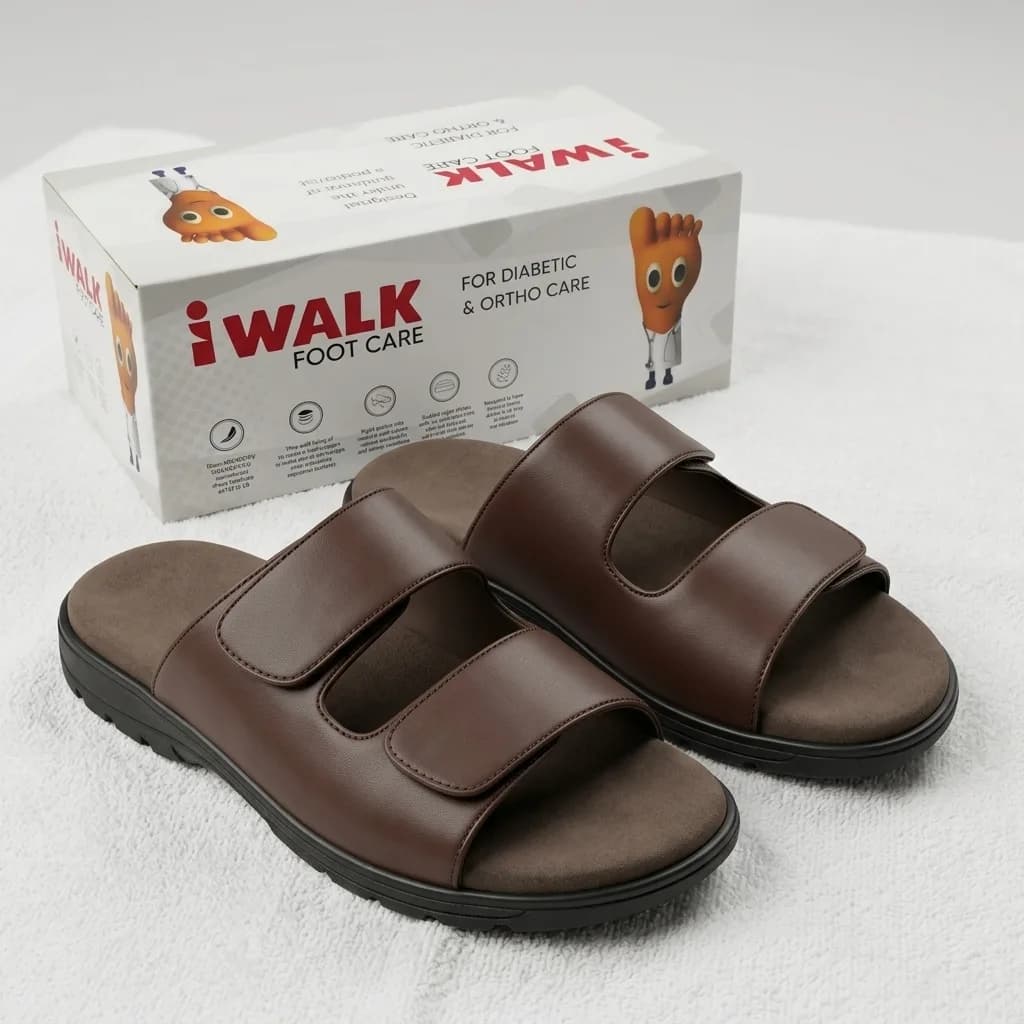
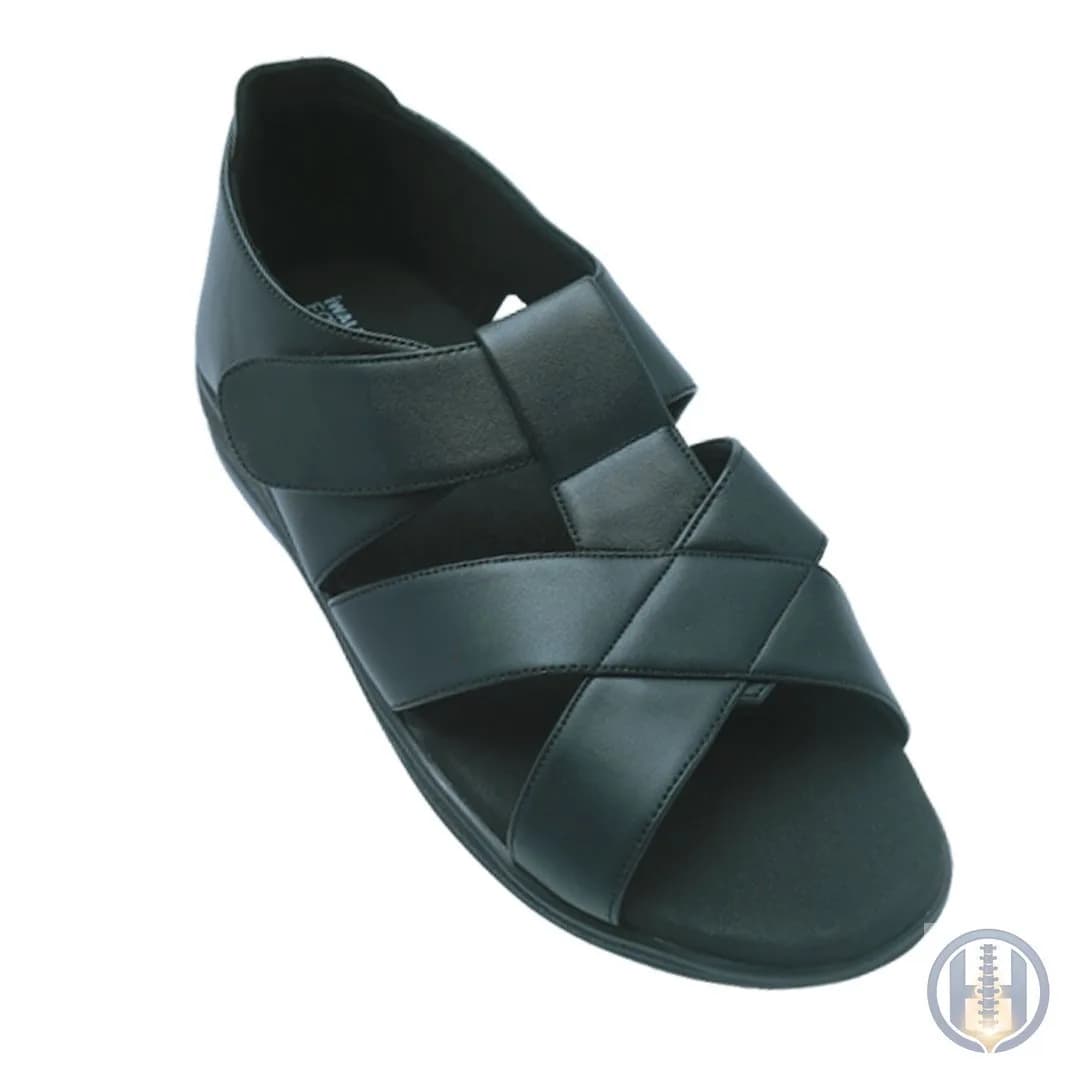
Good options include the AJM 08 (₹1,550, made for neuropathy care), the AJM 10 (₹1,580, extra-depth for swelling or orthotic inserts) and the AJM 11 (₹1,580, breathable cross-strap) for men. For women, consider the AJL Majestic (₹1,975) or the AJL 32 (₹1,850, spacious toe box).
When to see a doctor
See a doctor promptly if:
- Numbness is new, spreading or getting worse.
- It comes with weakness, difficulty walking or loss of balance.
- You have diabetes or a family history and haven't been tested.
- You notice a wound, colour change or swelling you cannot explain.
- It follows an injury or back pain, or affects the bladder or bowels (urgent).
Numb feet and diabetes? Protective footwear is one of the simplest ways to prevent injuries you cannot feel. WhatsApp us your size and we'll recommend a suitable pair — with Cash on Delivery for eligible orders.