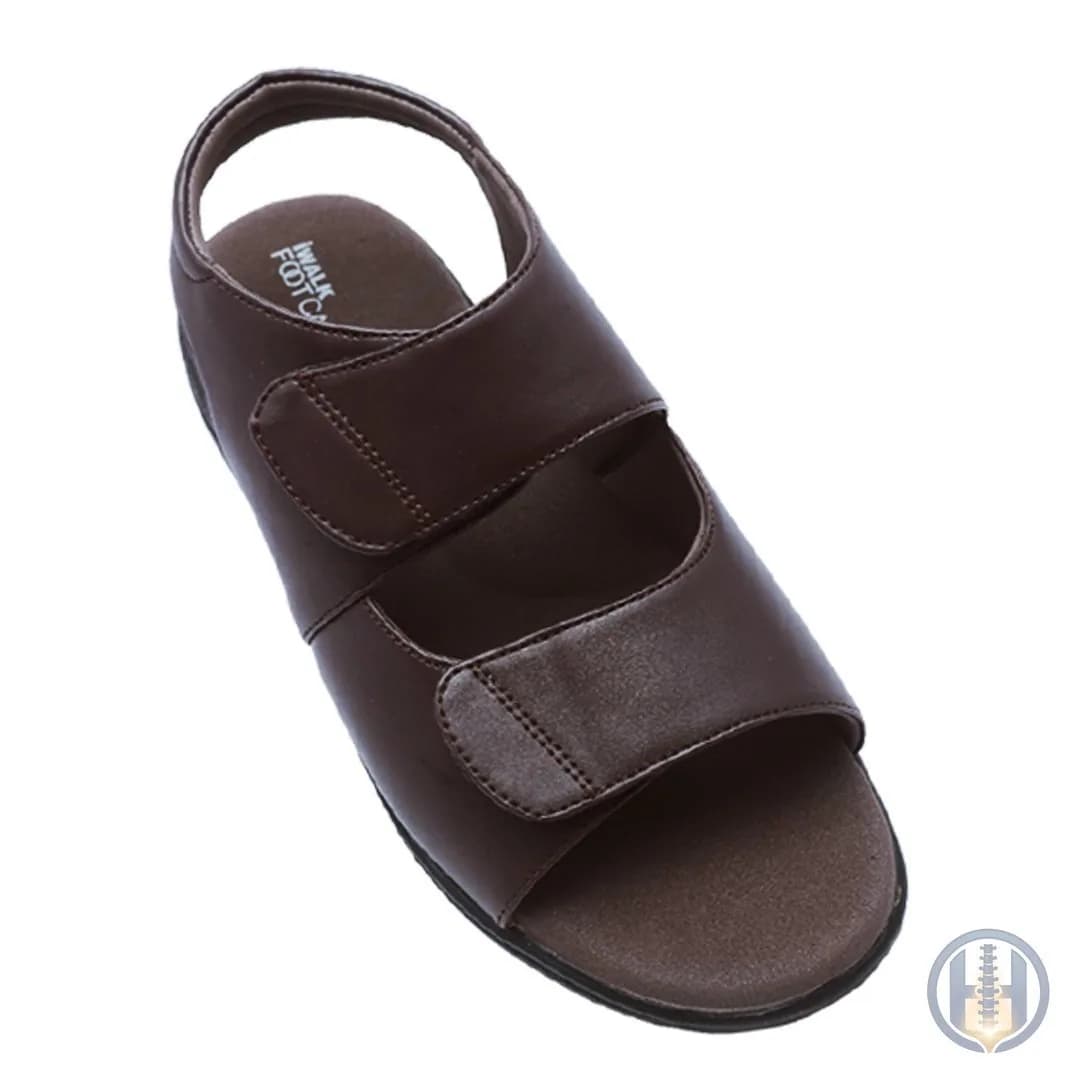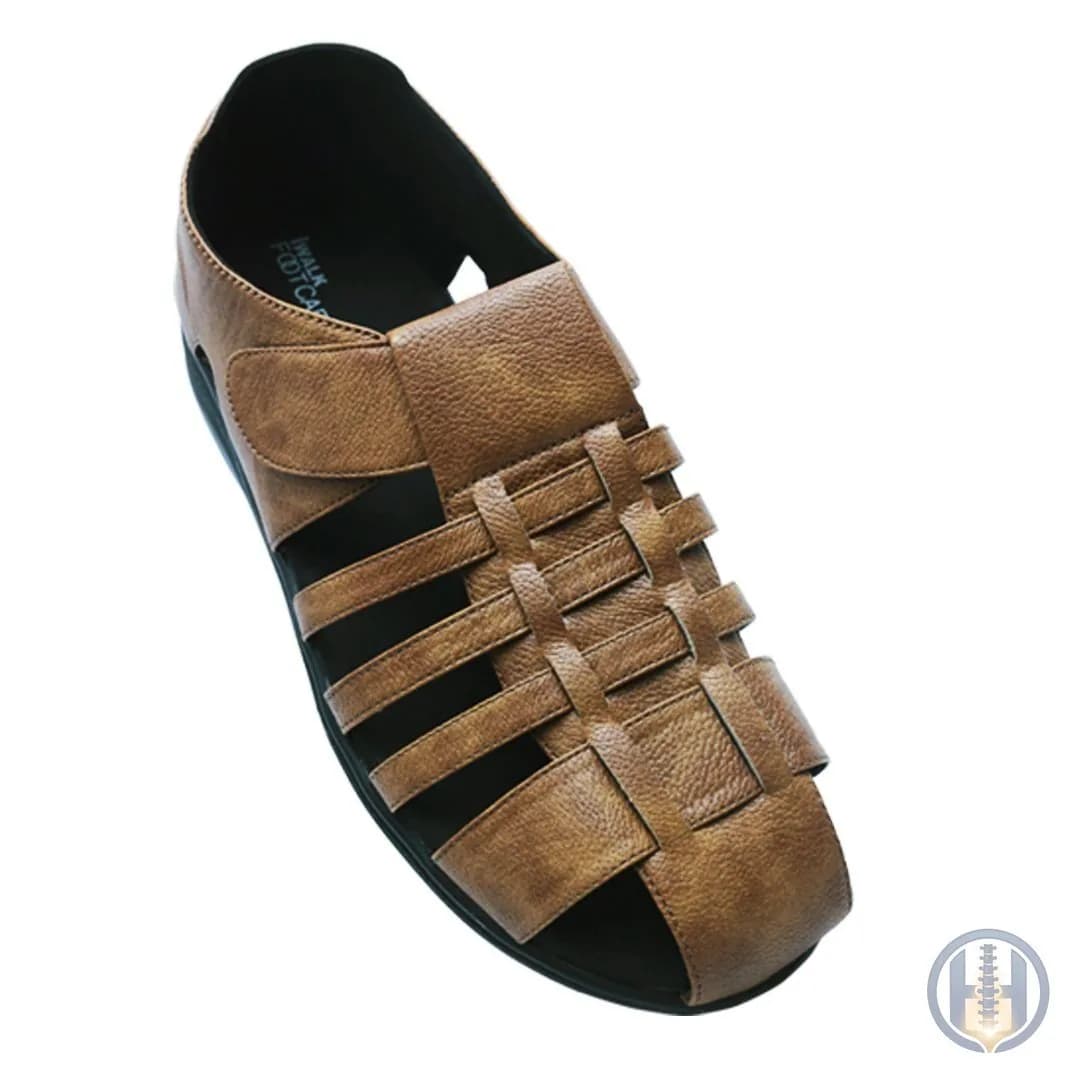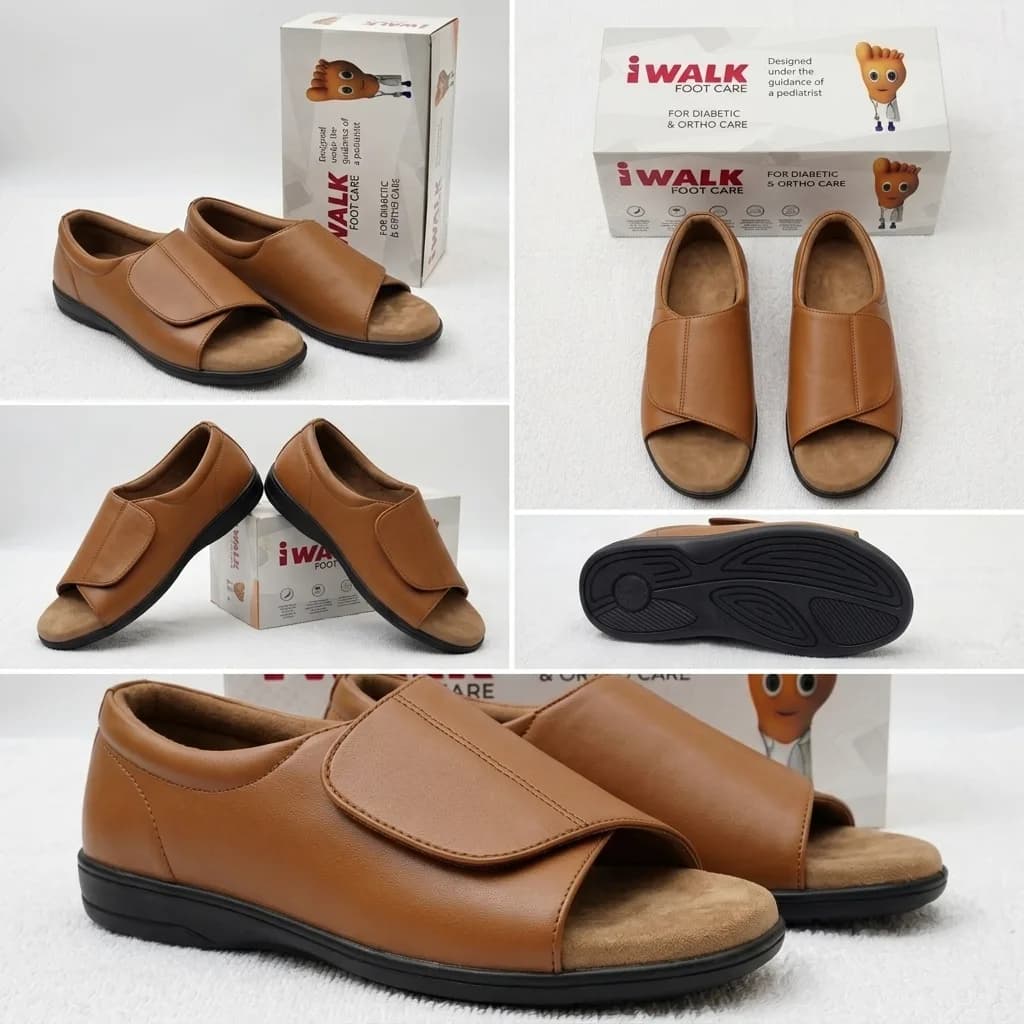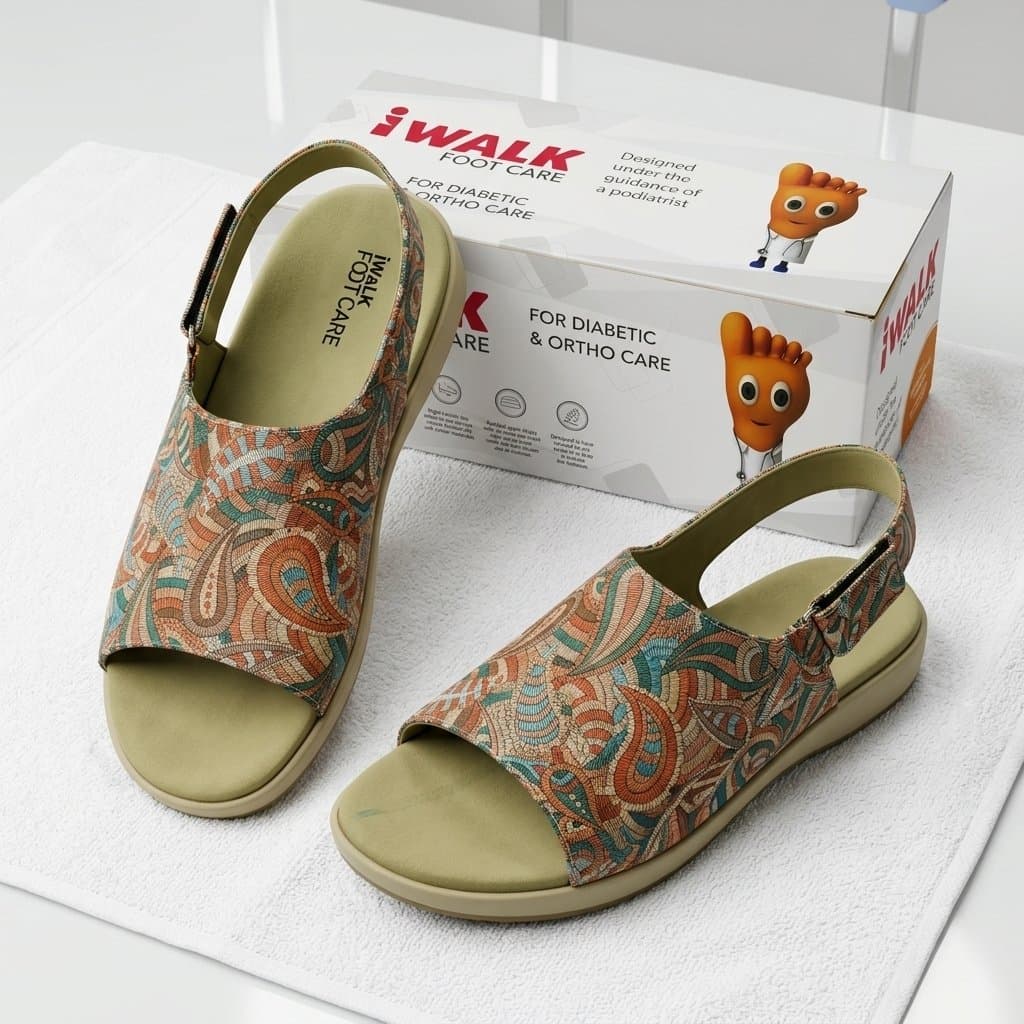
A bunion (hallux valgus) is a bony bump at the base of the big toe, where the big toe leans towards the other toes. It's more common in women, can run in families, and is often made worse by narrow, pointed or tight footwear. Once a bunion forms, the wrong footwear presses on it all day — causing pain, redness and sometimes corns.
Signs of a bunion
- A visible bump at the side of the big toe joint
- Pain, redness or swelling over the bump, especially in shoes
- The big toe angled towards the second toe
- Corns or calluses where toes rub
- Footwear wearing out at the inner side
What footwear does — and doesn't — do
Footwear can't straighten a bunion, but it can stop the pressure that causes pain and slow irritation. Severe or worsening bunions should be assessed by a doctor.
Features to look for
- A wide, deep toe box — the single most important feature. Toes should lie flat without touching the sides.
- Soft, seamless upper — no stitching or hard edges over the bump. Micro Touch linings help.
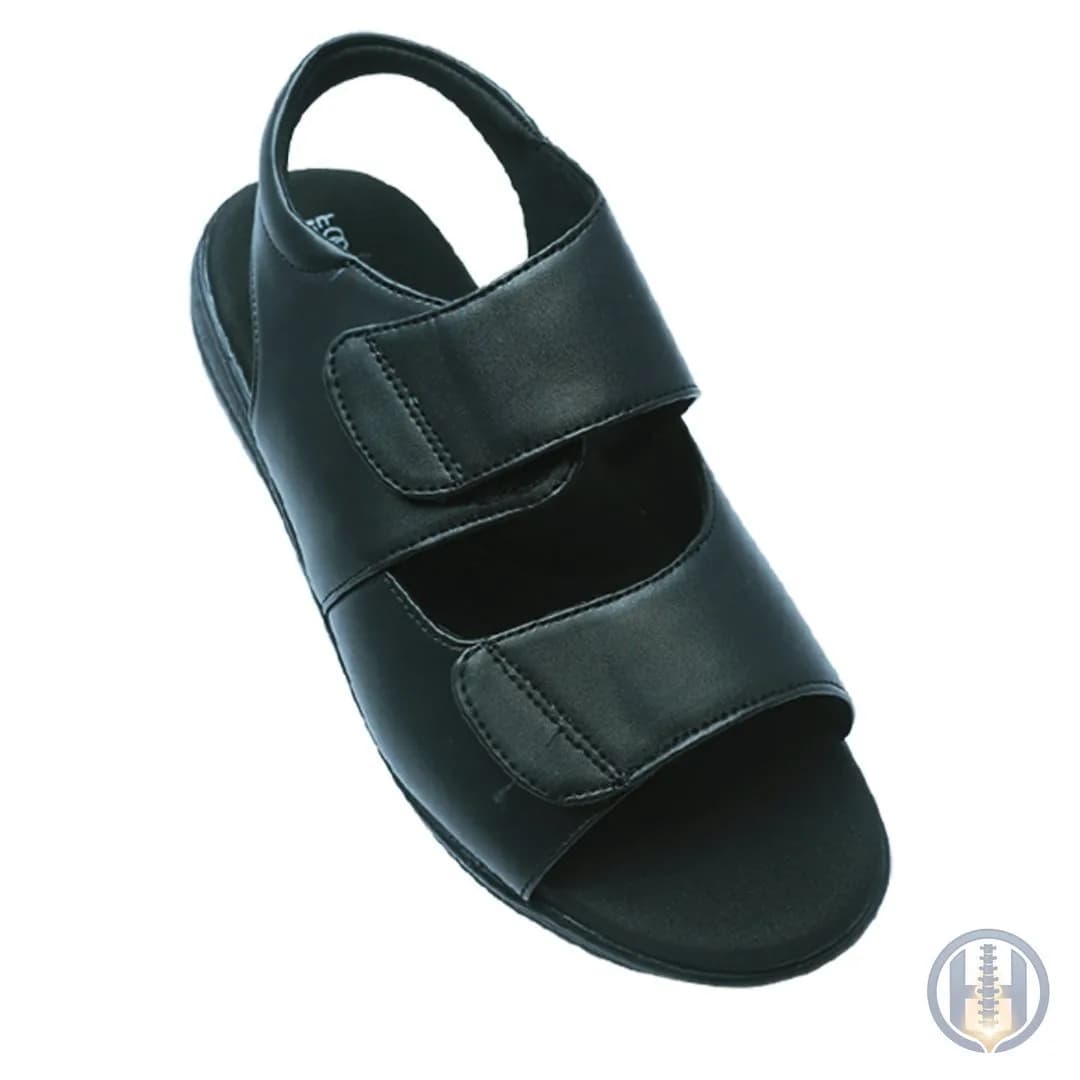
- Adjustable straps — so you can loosen over the bunion. Strap sandals and velcro styles are easier than closed shoes.
- Arch support — reduces the foot rolling inwards, which can increase big-toe pressure (flat feet guide).
- Low heel — high heels push the foot forward onto the bunion.
Wide toe-box diabetic sandals such as the AJM 12 and the roomy AJM 10 are popular with men; women often choose fuller-coverage velcro styles like the AJL Majestic.
Sizing with a bunion
- Measure width as well as length (how to measure).
- Fit the wider foot if only one has a bunion.
- Don't just go up a size — a longer pair can let the heel slip. Look for width and adjustable straps instead.
Everyday tips
- Avoid pointed, narrow and high-heeled footwear.
- Use a soft bunion pad if your doctor recommends it.
- Stretch and move your toes gently every day.
- Ice the area after a long day if it's sore.
- If you have diabetes, check the skin over the bunion daily for redness or breaks (daily foot care).
When to see a doctor
See a doctor if pain limits walking, the bump becomes very red or hot, the toe deformity worsens quickly, or you have diabetes with skin changes over the bunion.
Bunions and diabetes
If you have diabetes, a bunion is more than a comfort problem. The skin over the bump can be rubbed raw without you feeling it, and a small sore can become an ulcer. Check the bunion every day for redness or broken skin, choose seam-free linings and a deep toe box, and see your doctor promptly if the skin changes (neuropathy guide).
Bunions in women
Bunions are more common in women, partly because of years of narrow, pointed or high-heeled footwear. The good news is that comfortable orthopedic sandals for women now come in smart designs — strap sandals, slip-ons and designer straps with a roomy front — so you don't have to choose between comfort and style (orthopedic footwear for women).
Simple exercises
These are commonly suggested to keep the big toe joint mobile (stop if painful):
- Toe spreads — spread your toes apart and hold for 5 seconds, 10 times.
- Big toe stretches — gently move the big toe up, down and towards straight with your fingers.
- Towel scrunches — curl a towel towards you with your toes.
- Ball rolls — roll the sole over a small ball to relax the foot.
A physiotherapist can tailor exercises to your feet.