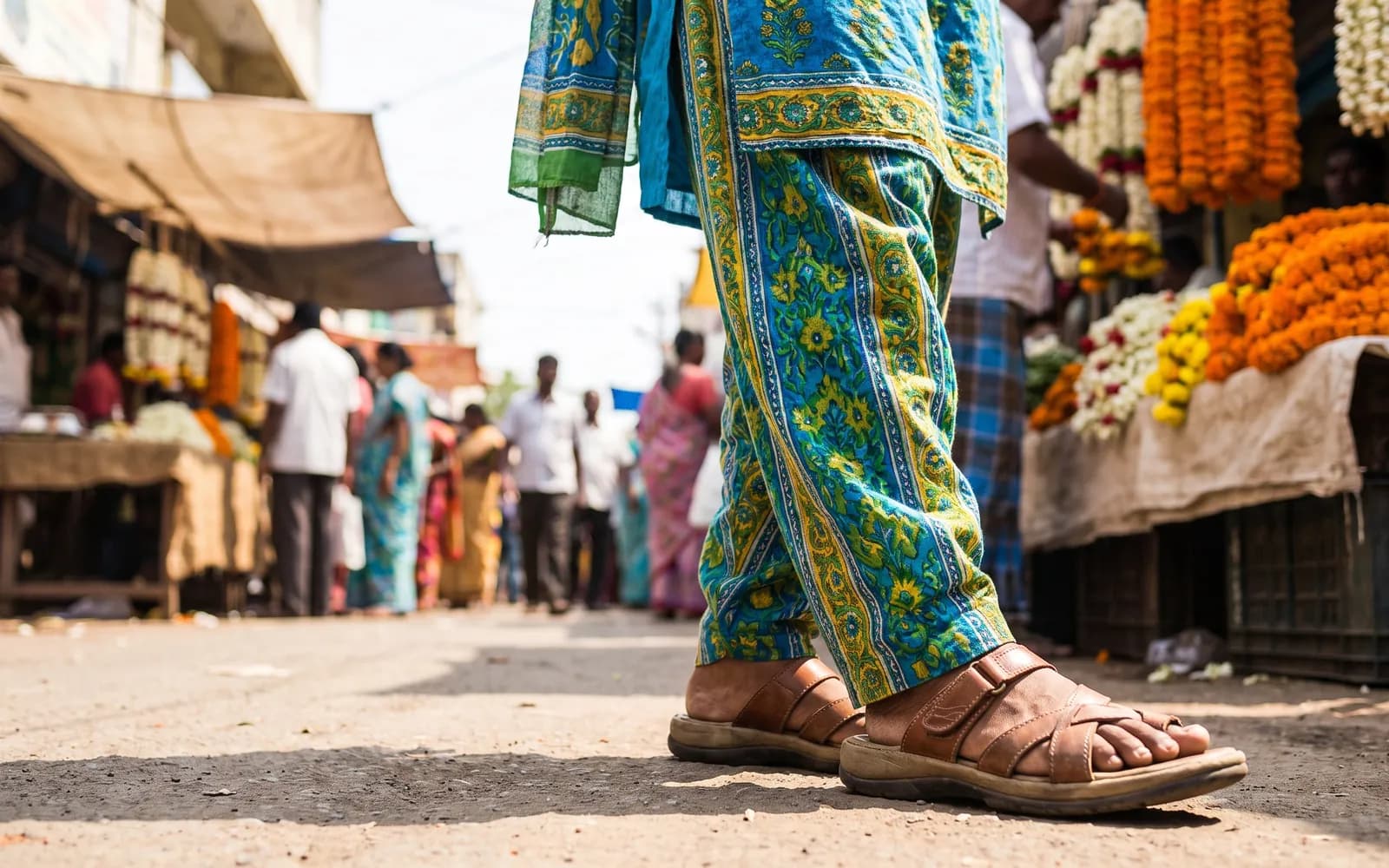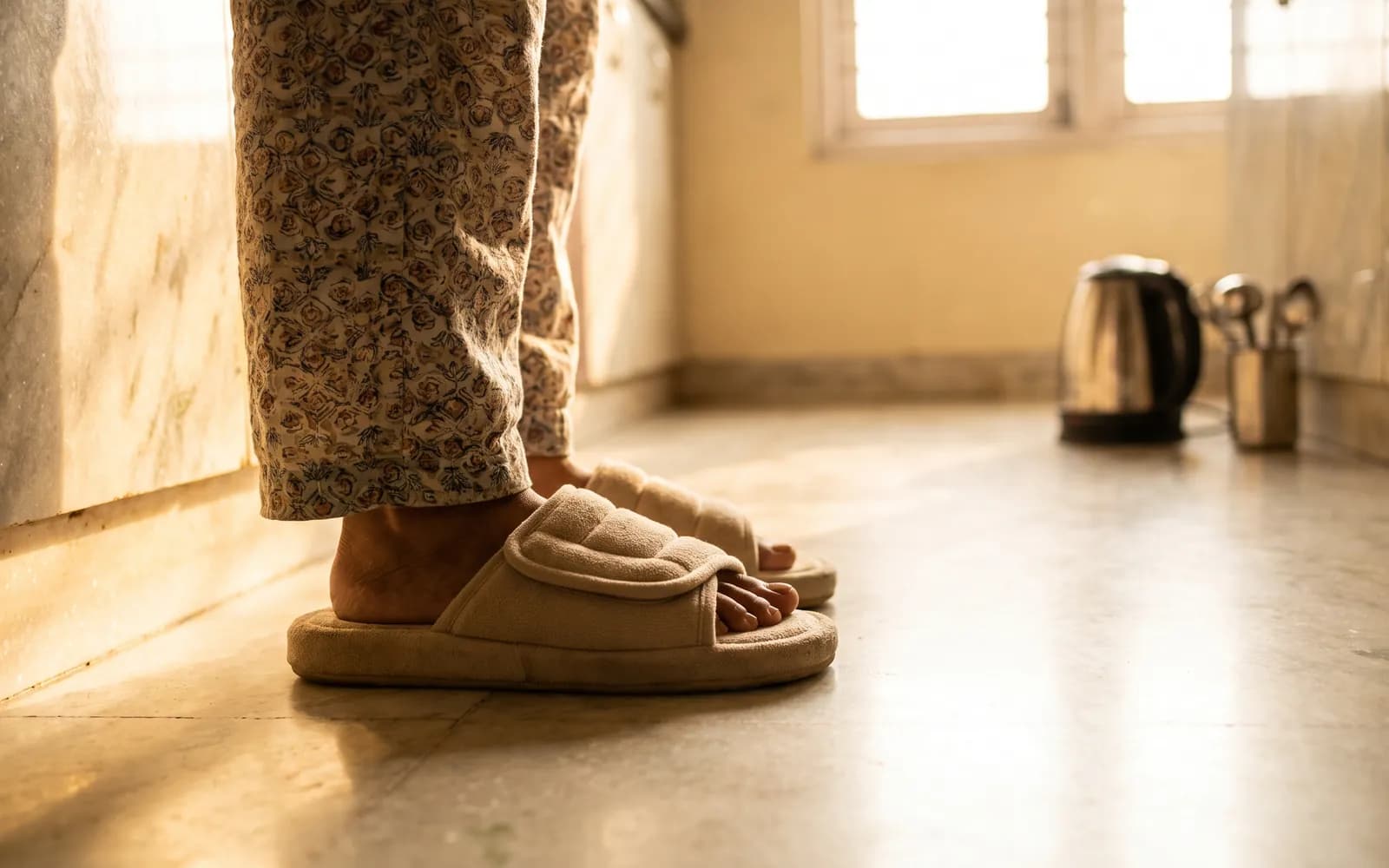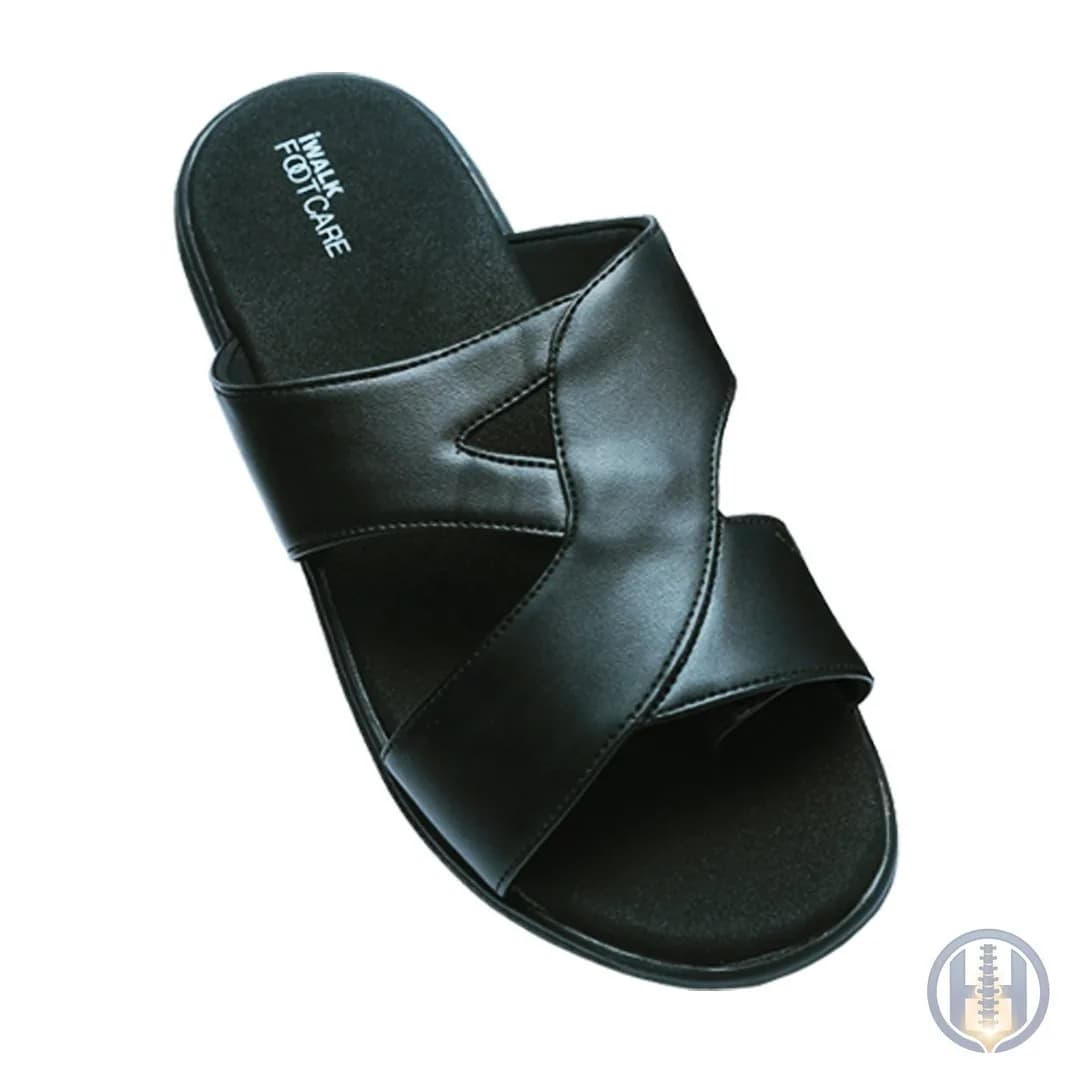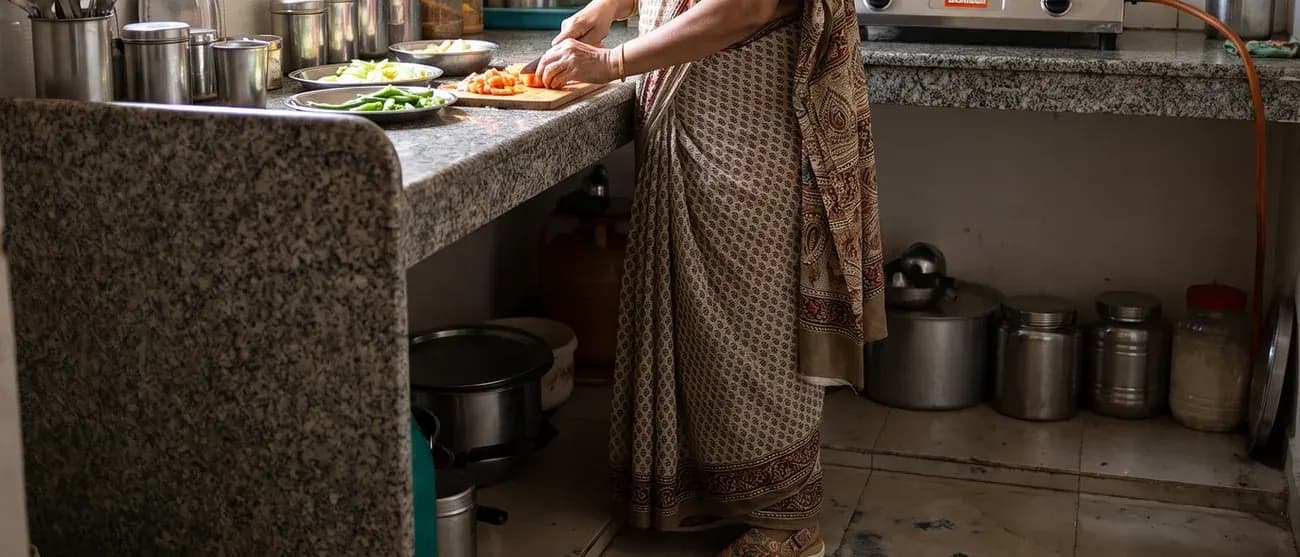
Women in Indian homes often stand for hours — cooking, cleaning, managing children, working a shop counter or teaching a class — frequently barefoot or in thin slippers. It's no surprise that heel pain, aching arches and swollen feet are so common. Orthopedic footwear for women has come a long way: today's pairs support the foot and still look like something you'd happily wear outside.
Common reasons women switch to orthopedic footwear
- Heel pain and plantar fasciitis — especially in the morning (read more)
- Diabetes — cushioned, seam-free footwear protects sensitive feet
- Swelling in the evenings, during pregnancy or with age (footwear for swollen feet)
- Flat feet and tired arches after long standing (arch support guide)
- Knee and back ache made worse by hard, flat soles
What to look for
- MCP-cushioned footbed with arch support — the core of comfort.
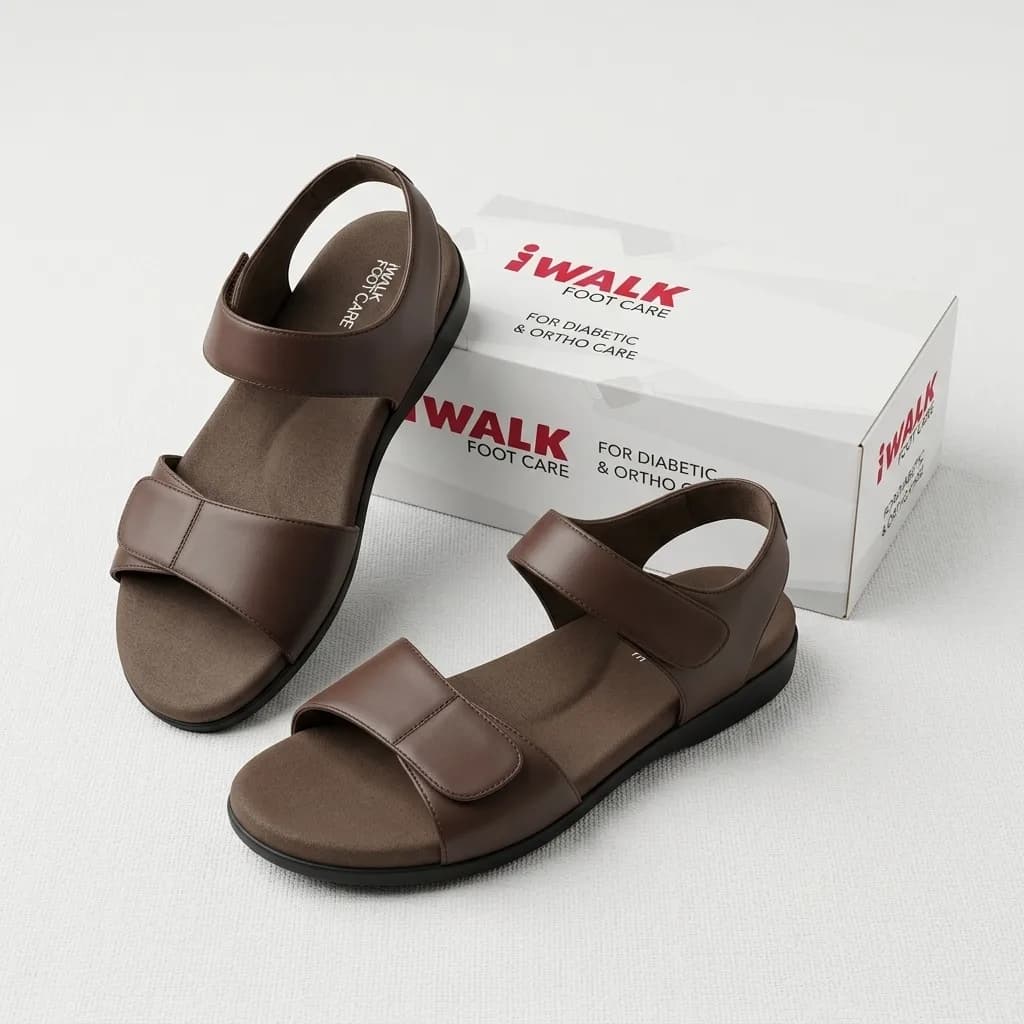
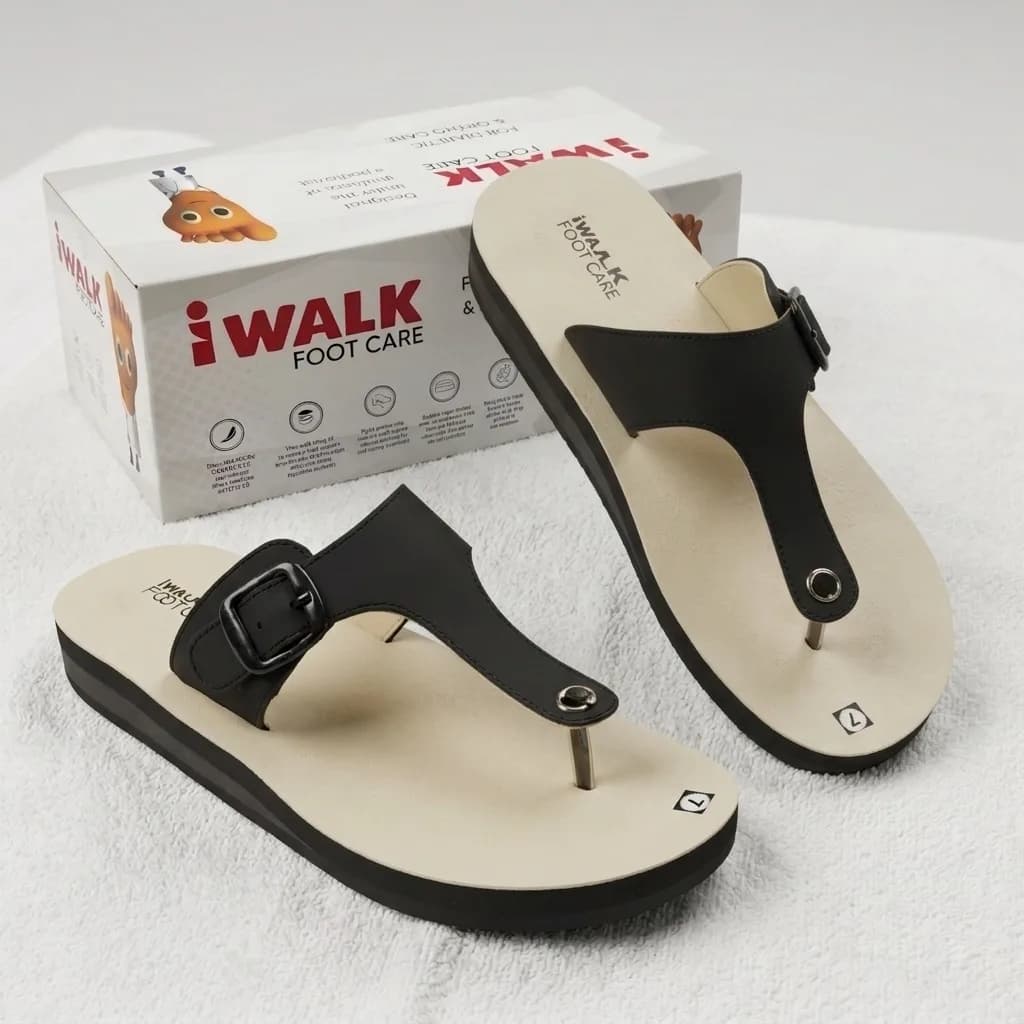
- Adjustable straps — velcro or buckles let you loosen for swelling.
- Soft, seam-free lining — no rubbing over bunions or the heel.
- A modest, wide heel — stable and gentler on the knees than flat or high heels.
- Light weight — heavy footwear tires the legs by evening.
- Grip — for wet bathroom, kitchen and temple floors.
Which style suits you?
- Everyday strap sandals — the most versatile for home, market and work.
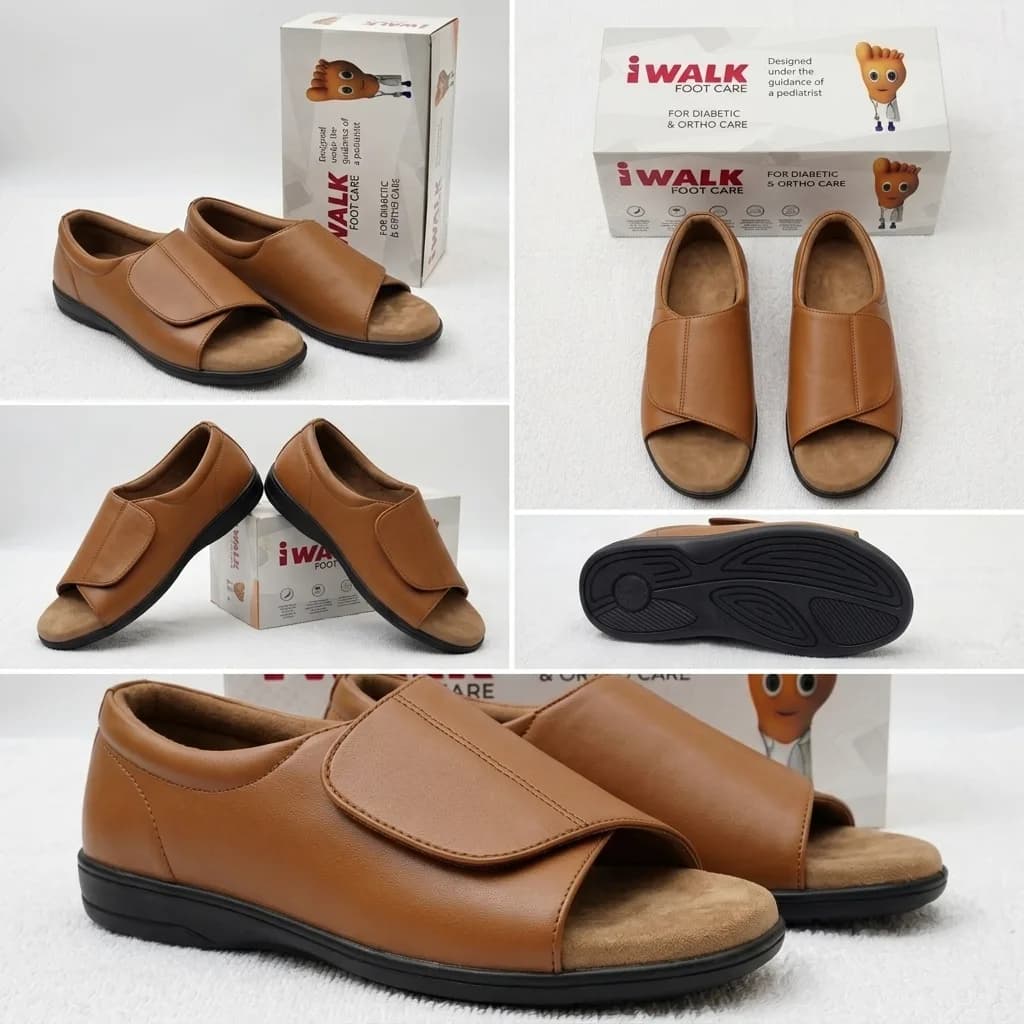
- Wide velcro slip-ons — easiest for elders and anyone who finds bending difficult. The AJL Majestic is a fuller-coverage diabetic design.
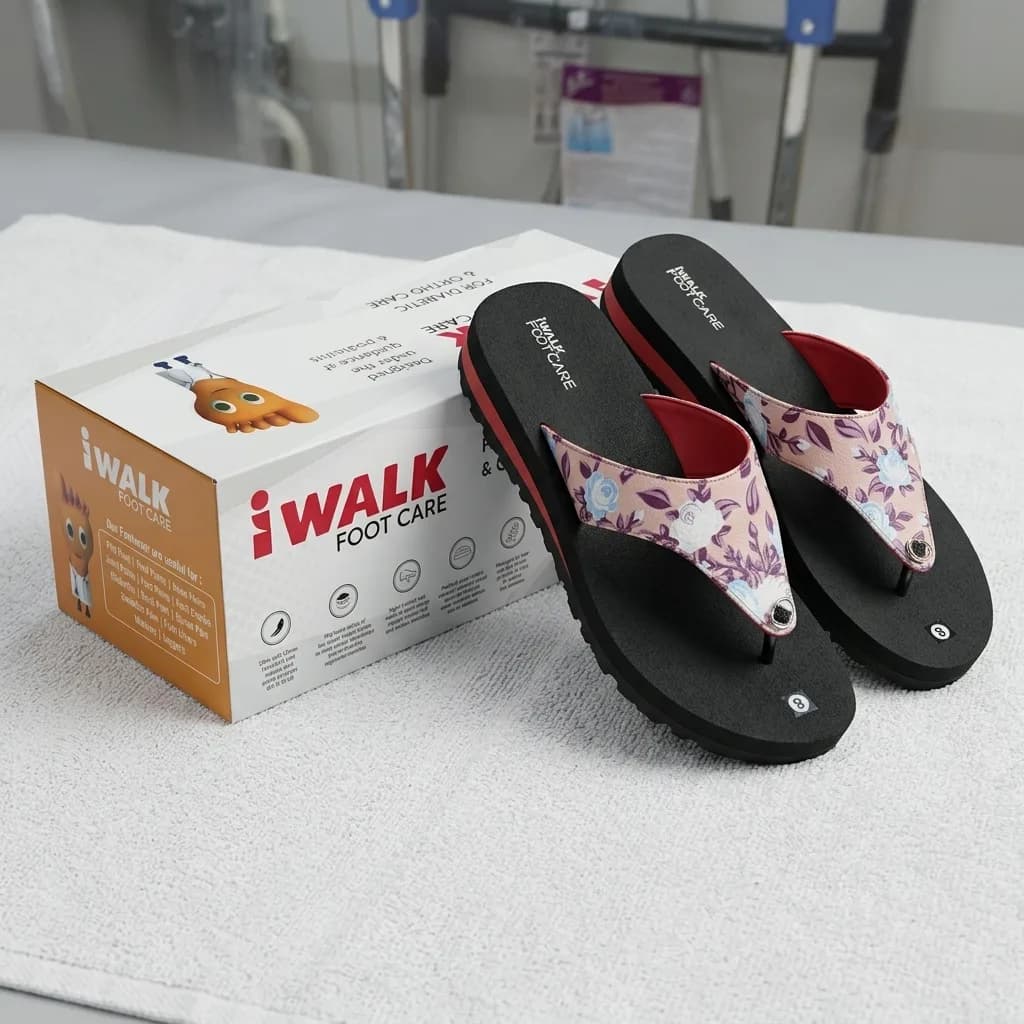
- Soft printed/flower-design slippers — light and pretty for home and pregnancy.
- Walking shoes — for morning walks, travel and long days out.
Style tips
Orthopedic doesn't have to mean dull. Neutral tan, brown and black go with sarees, salwars and western wear alike, while colours like blue, pink and red suit casual outfits. Choose one neutral pair for outings and a lighter, colourful pair for home.
Sizing tips for women
- Women's feet often change after pregnancy and with age — re-measure rather than assuming your old size.
- Measure in the evening and fit the larger foot.
- Between sizes? Choose the larger one and adjust with the straps. Our measuring guide explains how.
Footwear for different stages of life
- Working women on their feet all day (teachers, nurses, shop and salon staff): a cushioned strap sandal or walking shoe with arch support makes long shifts far easier.
- Homemakers: a light, supportive home sandal for kitchen work — hard kitchen floors are a common cause of heel pain.
- During pregnancy: stable, low-heeled, adjustable pairs. See our pregnancy footwear guide.
- After 50: more cushioning under the heel and forefoot, roomier toe boxes and easy velcro fastening.
- With diabetes: seam-free linings and pressure-spreading MCP footbeds — read diabetic foot care tips.
Caring for your orthopedic sandals
- Wipe clean with a damp cloth; avoid soaking.
- Dry in the shade, never directly in harsh sun.
- Loosen straps fully when taking pairs off to protect the velcro.
- Replace when the footbed flattens under the heel or the sole wears unevenly — usually 8–12 months with daily use.
Gifting orthopedic footwear
Orthopedic sandals make a thoughtful gift for mothers, mothers-in-law and grandmothers — especially for festivals. If you're buying as a gift, measure the footbed of their most comfortable current pair or send us a photo on WhatsApp and we'll help with the size.
Key takeaways
- Choose cushioned arch-support footbed + adjustable straps + soft lining.
- A small, stable heel beats both flat slippers and high heels.
- Browse our full range of women's diabetic & orthopedic footwear — try them at our Adambakkam store or order online with Cash on Delivery.