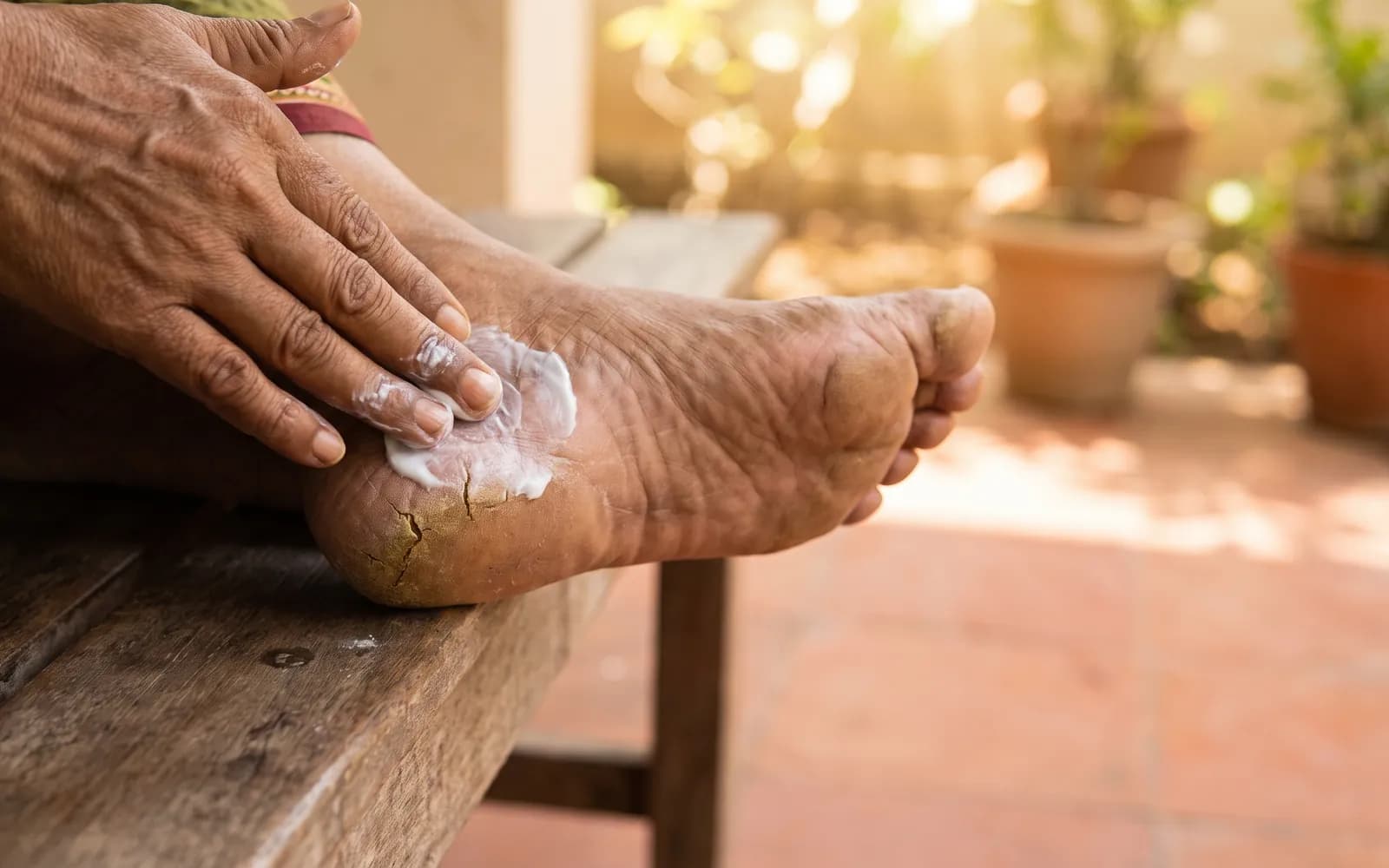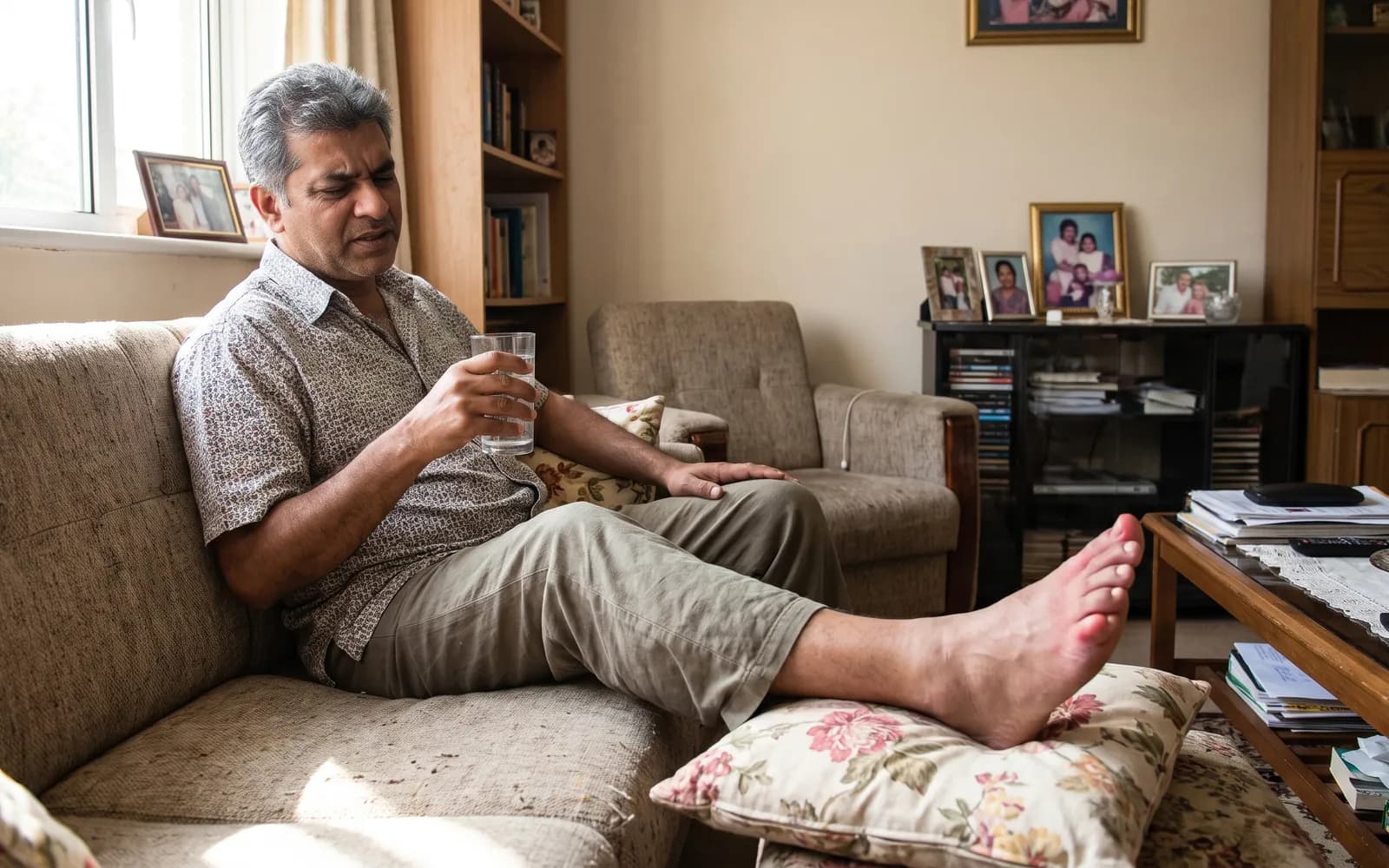
Gout often announces itself dramatically: you go to bed feeling fine and wake up in the night with a big toe that is red, hot, swollen and so painful that even a bedsheet hurts. It is one of the most painful forms of arthritis — and one of the most treatable.
This guide explains what causes gout foot pain, how to get through a flare-up, common triggers in Indian diets, and the footwear that helps during and between attacks.
What is gout?
Gout happens when there is too much uric acid in the blood. Uric acid is a normal waste product from breaking down purines, found in our body's cells and in certain foods. When levels stay high, uric acid forms needle-like crystals in a joint, and the body's reaction causes sudden, intense inflammation.
The big toe joint is the most common site — so common that it has its own name, podagra. Gout can also affect the ankle, the top of the foot, the knee, the wrist and the fingers.
Symptoms of gout in the foot
- Sudden, severe pain, often starting at night or early morning.
- Redness, heat and swelling over the joint.
- Extreme tenderness — even light touch is unbearable.
- Pain that peaks within 24 hours and settles over one to two weeks.
- Over years, hard lumps (tophi) under the skin if uric acid stays high.
Gout can look like an infection. If you have a fever, feel unwell, or the redness is spreading, see a doctor urgently.
What raises uric acid and triggers gout?
- Alcohol, especially beer and spirits.
- Red meat and organ meat — mutton, liver, kidney, brain.
- Some seafood — prawns, crab, sardines, anchovies, mackerel.
- Sugary drinks and packaged juices high in fructose.
- Dehydration — common in Chennai's heat.
- Crash diets or long fasting.
- Certain medicines, such as some diuretics ("water pills").
- Excess weight, high blood pressure, diabetes and kidney disease.
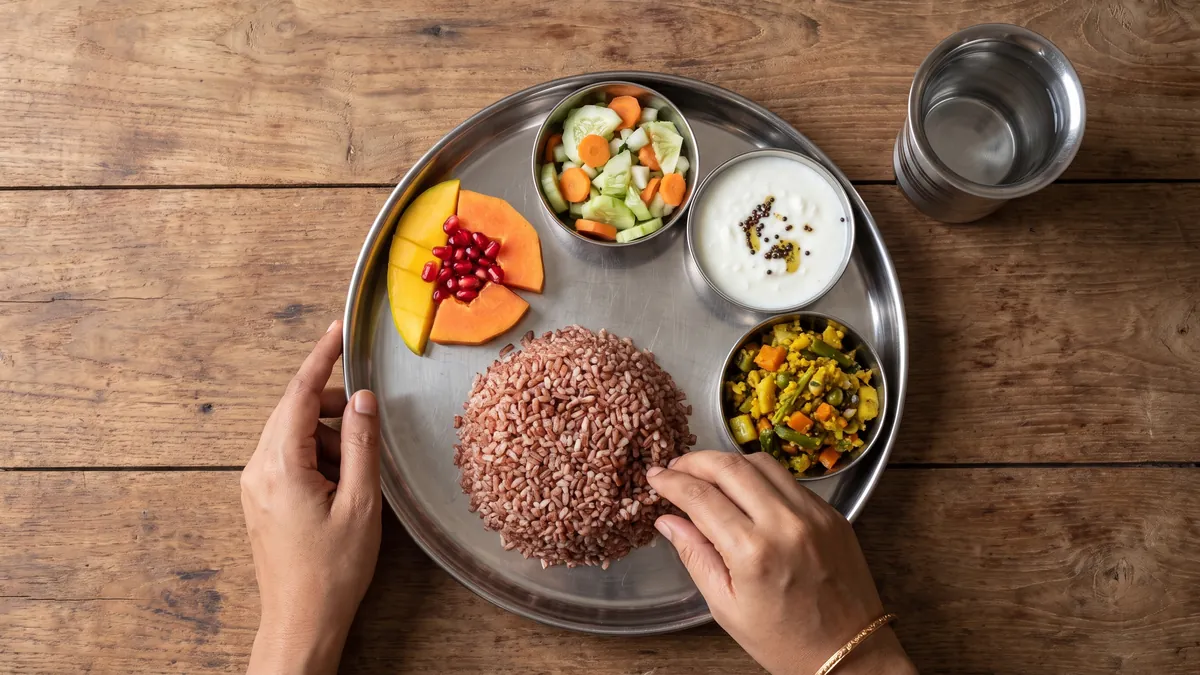
Many people worry about dal and vegetables. Most research suggests that purine-rich vegetables, dals and pulses do not raise gout risk the way meat, seafood and alcohol do — but always follow your own doctor's advice.
Relief during a gout flare-up
- See your doctor early — anti-inflammatory medicines work best when started quickly.
- Rest and elevate the foot on a pillow.
- Cold pack wrapped in a cloth for 15–20 minutes, a few times a day.
- Drink plenty of water — 2.5 to 3 litres a day unless your doctor has restricted fluids.
- Avoid alcohol and meat during the attack.
- Don't massage or press the inflamed joint.
- Keep pressure off the toe — even socks and bedsheets can hurt; use a tent of pillows at night.
Footwear for gout
During a flare
Your big toe can't tolerate pressure. Choose:
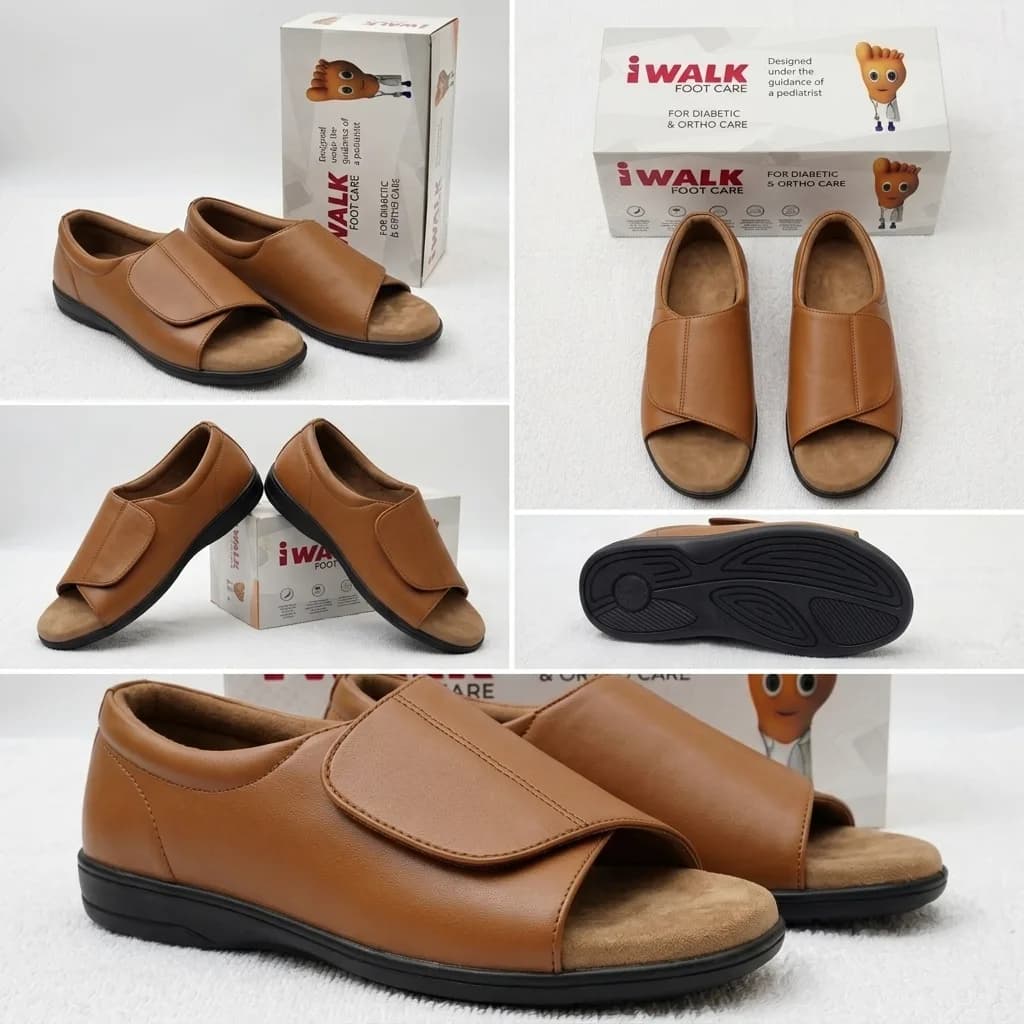
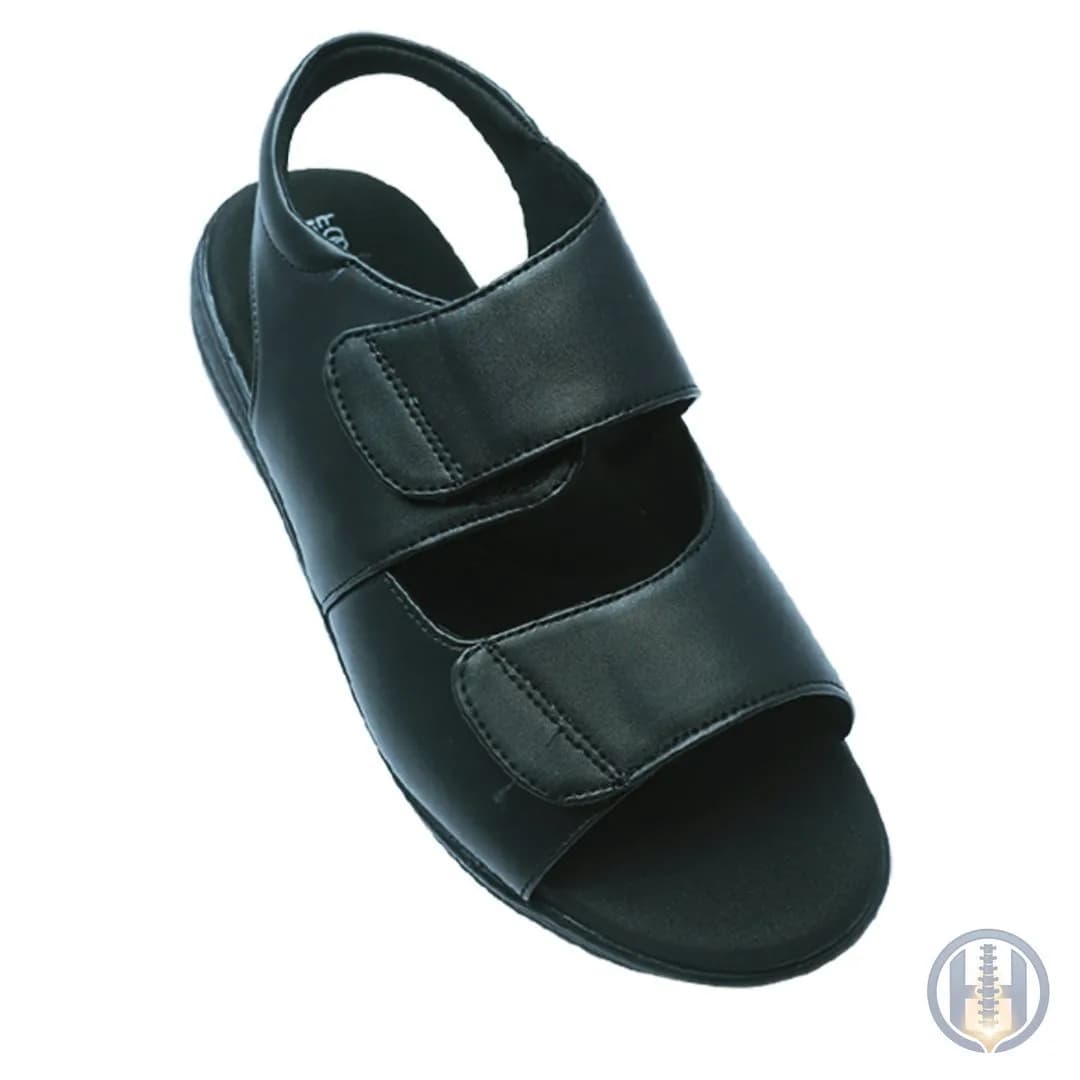
- Open-toe or very roomy footwear with nothing pressing on the big toe joint.
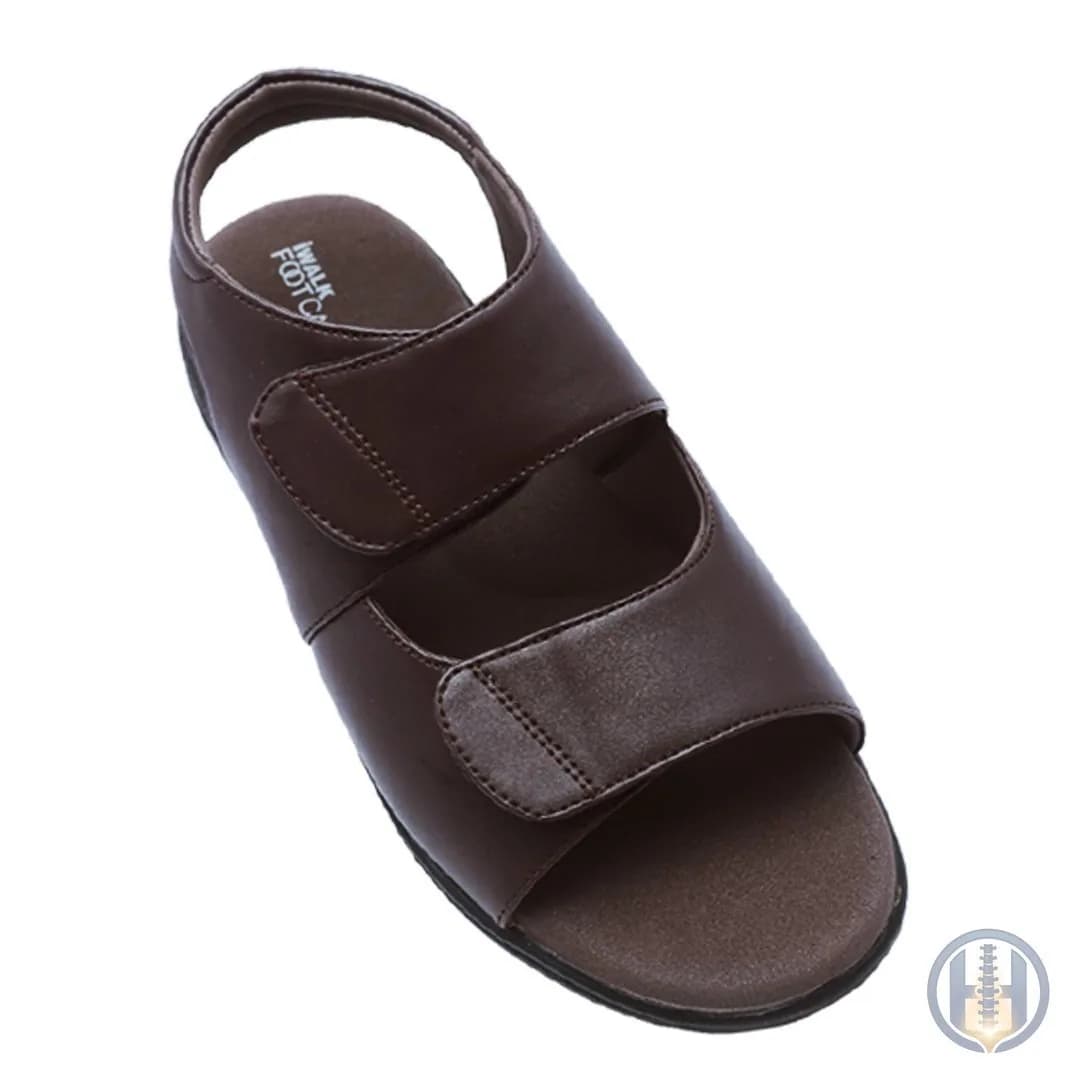
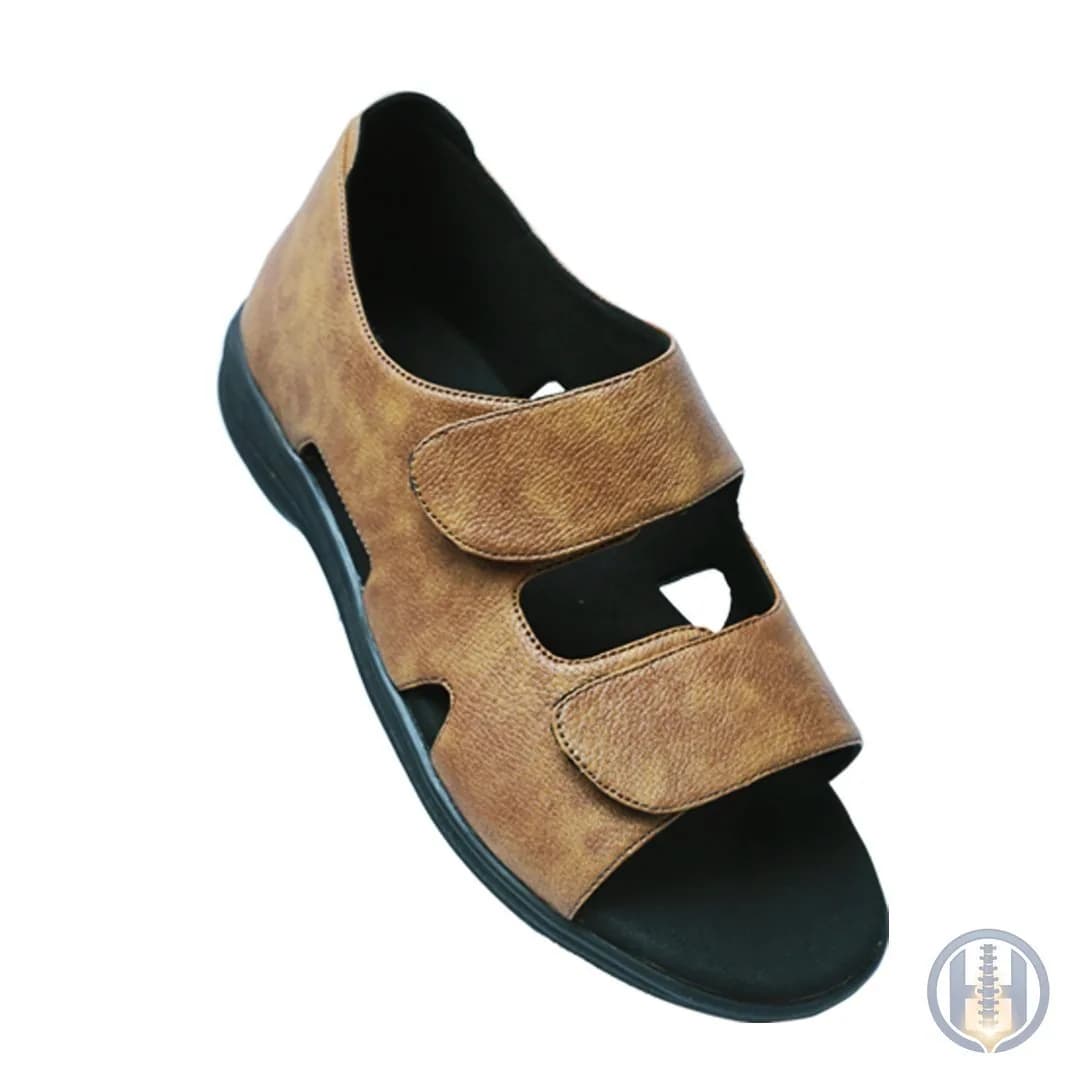
- Adjustable velcro straps that open wide to fit a swollen foot — such as the AJM 09.
- Soft, seamless uppers with no stitching over the joint.
- Cushioned footbed to reduce the jolt of each step.
Between flares
Protect the big toe joint and prevent irritation:
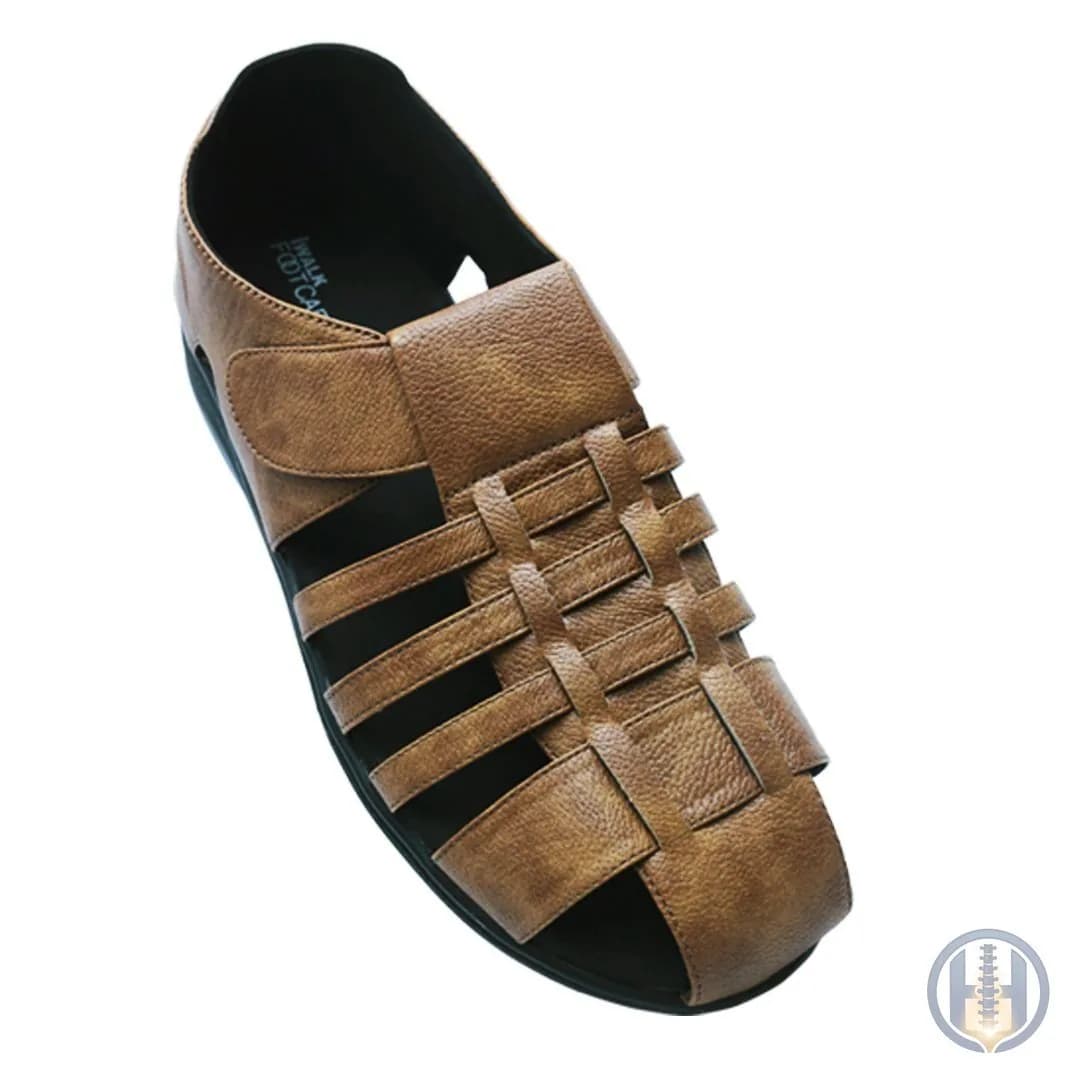
- Wide toe box — the AJM 12 gives extra forefoot room, and the AJM 10 has extra depth.
- Stiffer sole that doesn't bend sharply at the big toe.
- Arch support to share load across the foot.
For women, the AJL Majestic and AJL 32 offer roomy fits with soft uppers.
Avoid: pointed shoes, tight fronts, high heels and toe-post flip-flops.
Living with gout: long-term tips
- Take uric-acid-lowering medicine if your doctor prescribes it — don't stop when the pain goes.
- Stay hydrated, especially in summer.
- Reach a healthy weight gradually, not through crash diets.
- Limit alcohol, red meat, organ meats, shellfish and sugary drinks.
- Get uric acid checked regularly as advised.
- Keep active with gentle walking and joint-friendly exercise (footwear for arthritis).
Gout or something else?
Big toe pain can also come from bunions (bunion guide), ingrown toenails, infection or injury. In people with diabetes, a red, hot foot can be a sign of infection or Charcot foot and needs prompt attention. A doctor can confirm gout with a blood test, joint fluid test or imaging.
Need footwear that fits a swollen foot? WhatsApp us your usual size and we'll suggest roomy, adjustable options.
Key takeaways
- Gout is caused by uric acid crystals, most often in the big toe.
- Common triggers: alcohol, red and organ meat, some seafood, sugary drinks and dehydration.
- During a flare: doctor, rest, elevation, cold packs, water and no pressure on the toe.
- Choose roomy, adjustable, cushioned footwear. Browse men's and women's options.