Arthritis can affect the many small joints of the feet and the ankle. Osteoarthritis ("wear and tear") often affects the big toe joint and midfoot; rheumatoid arthritis can cause swelling, stiffness and changes in foot shape across many joints. Either way, every step can hurt — and the right footwear makes a noticeable difference.
How arthritis affects the feet
- Stiffness, worst in the morning or after rest
- Swelling that changes through the day
- Pain on walking, especially on hard or uneven ground
- Changes in foot shape — bunions, hammer toes, flattened arches
- Difficulty fastening footwear when hands are also affected
Footwear features that help
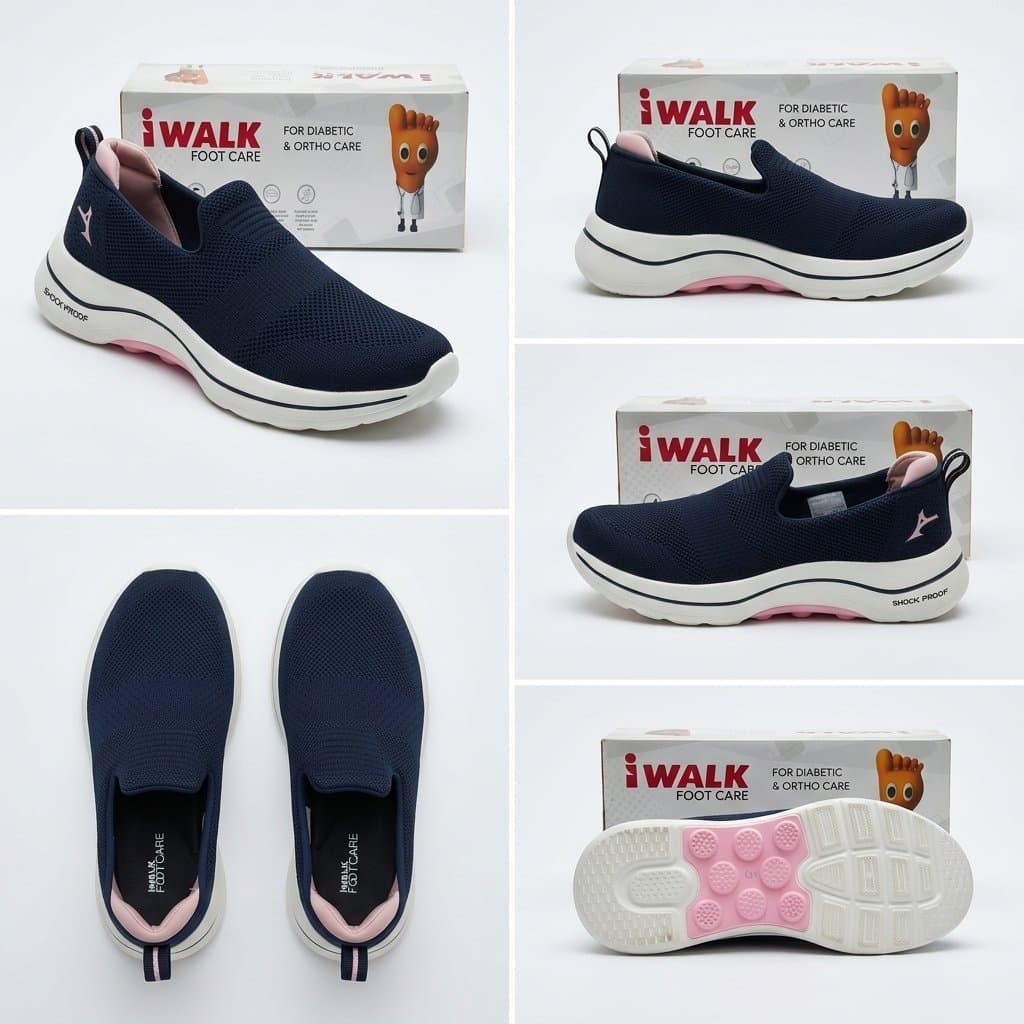
- Generous cushioning — an MCP footbed absorbs impact on painful joints.
- Stable, supportive sole — reduces wobbling at the ankle and midfoot.
- Gentle rocker-style or flexible forefoot — eases movement at a stiff big toe.
- Roomy, deep toe box — for changed toe shapes and swelling (bunions guide).
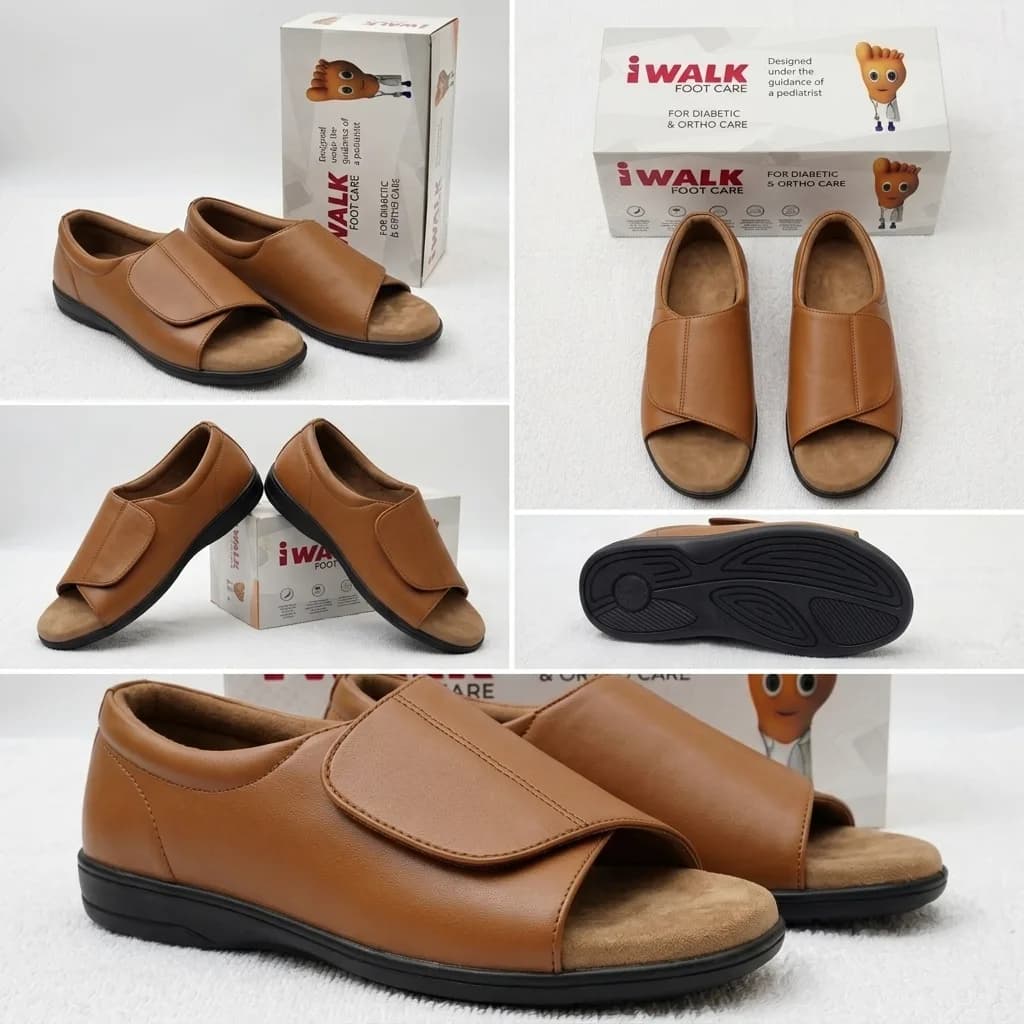
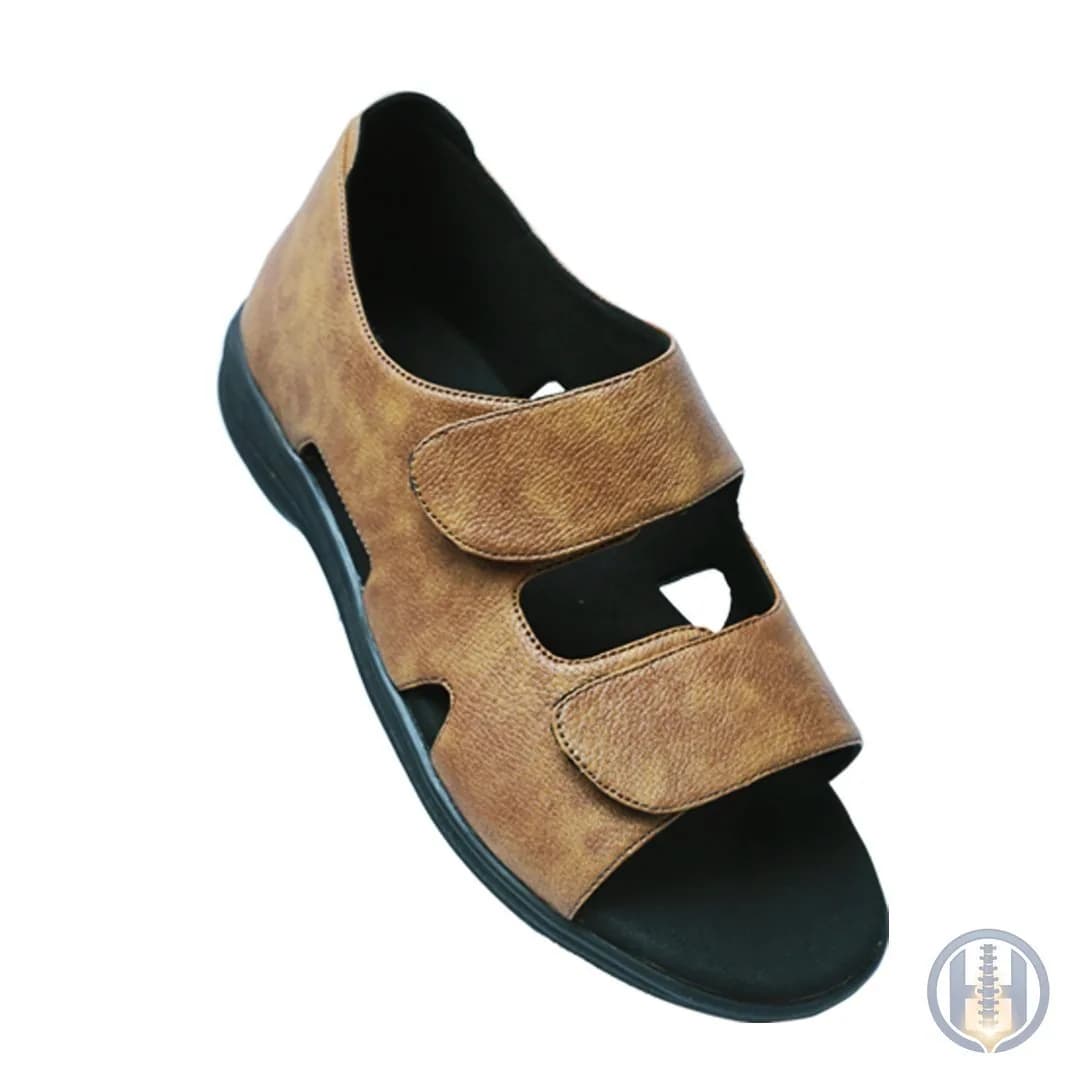
- Easy fastening — wide velcro straps that can be opened fully, important if fingers are stiff.
- Light weight — less effort with every step.
Wide-velcro styles such as the AJL Majestic for women and adjustable velcro sandals like the AJM 09 for men are easy to put on with stiff hands. For walks, cushioned walking shoes give the most shock absorption.
Daily habits for arthritic feet
- Morning: gentle ankle circles and toe movements before getting up.
- Never walk barefoot on hard floors — keep a supportive home pair by the bed.
- Pace activity — short walks spread through the day.
- Rest with feet raised when swollen.
- Keep moving — gentle exercise maintains joint mobility (home physiotherapy).
- Manage weight to reduce load on joints.
Medical care matters
Arthritis needs a diagnosis and treatment plan from your doctor or rheumatologist. Footwear supports that care — it doesn't replace it. A physiotherapist can add exercises to keep feet and ankles mobile; we offer home-visit physiotherapy in Chennai.
Rheumatoid arthritis vs osteoarthritis in the feet
- Osteoarthritis usually develops gradually with age or after an old injury. It commonly affects the big toe joint (making it stiff), the midfoot and the ankle. Pain is often worse after activity.
- Rheumatoid arthritis is an autoimmune condition. It often affects the small joints of the toes and forefoot on both feet, with morning stiffness that lasts a while, swelling, and over time changes in toe shape such as bunions and claw toes.
Both benefit from cushioning, roomy toe boxes and stable soles; rheumatoid arthritis especially benefits from extra depth for changed toe shapes and easy fastening for stiff hands.
Footwear for good days and flare days
Arthritis symptoms vary. Many people keep:
- A supportive everyday pair with a cushioned footbed and stable sole for normal days.
- A roomier, extra-adjustable pair — wide velcro straps that can be loosened fully — for flare days when the feet are swollen and sore.
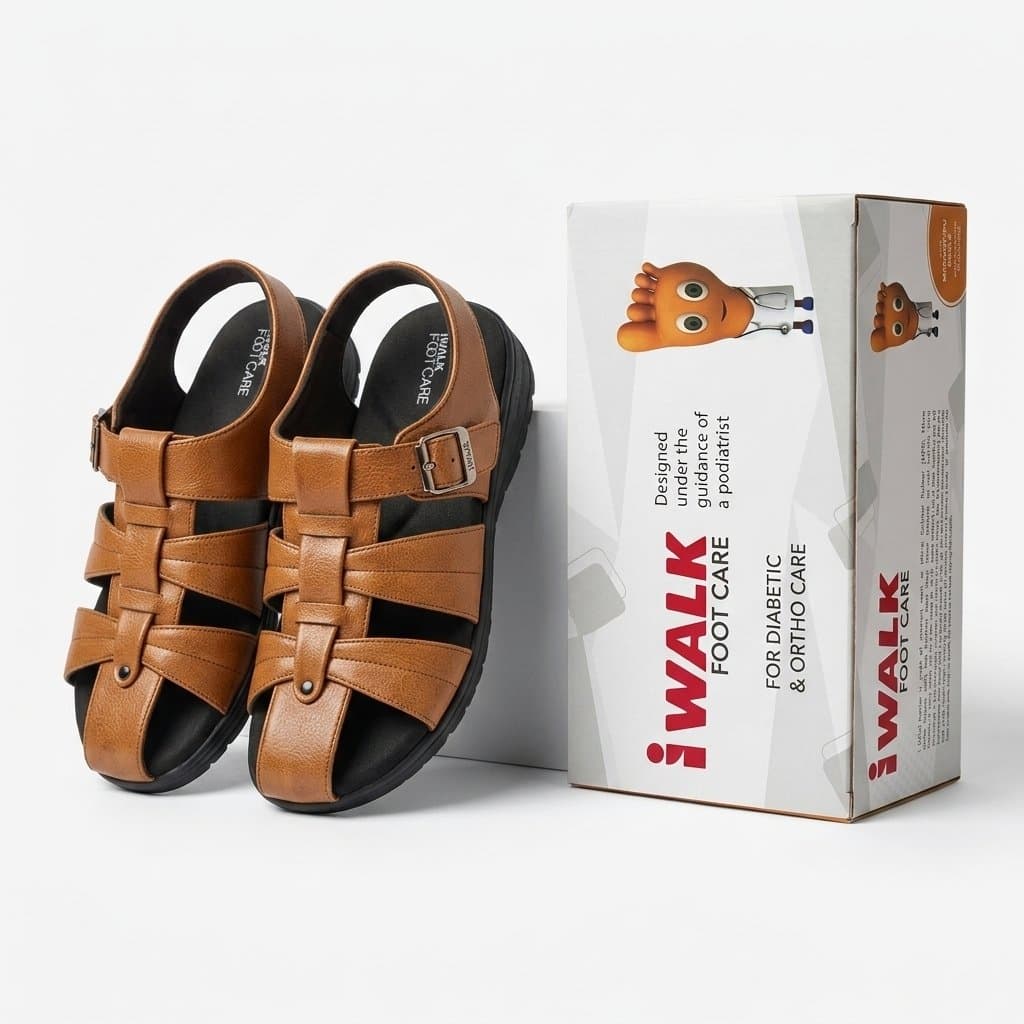
- A light home sandal so they're never barefoot on hard floors.
Making daily life easier
- Use a long-handled shoehorn or sit down to put on footwear.
- Keep footwear by the bed and by the door so it's always within reach.
- Choose slip-resistant soles — stiffness can affect balance.
- Plan errands for the time of day your joints feel best.
Key takeaways
- Choose cushioned, stable, roomy footwear with easy velcro fastening.
- Never start the day barefoot; keep moving gently.
- Shop easy-wear men's and women's footwear.
General information — follow your doctor's treatment plan.