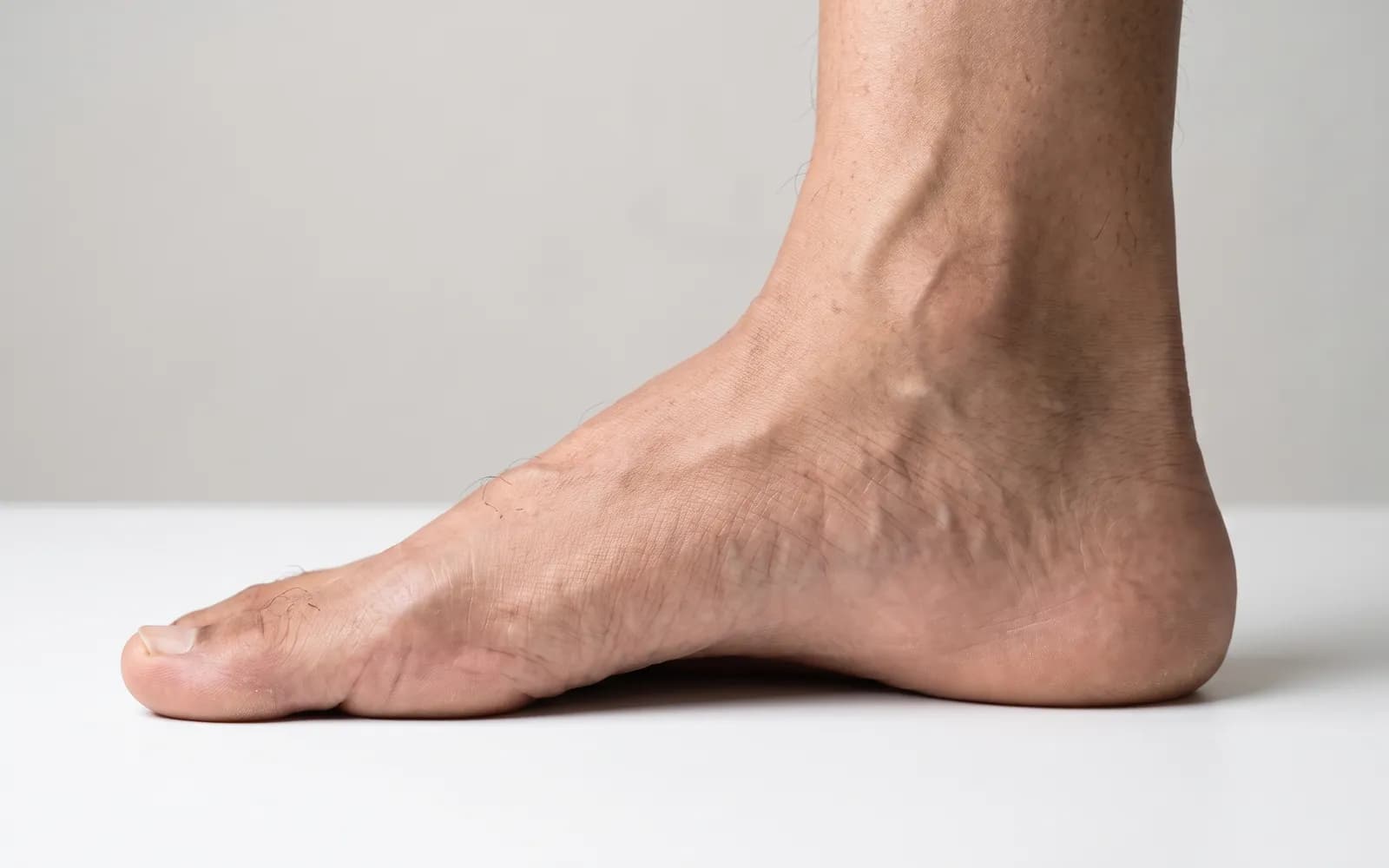
Most foot advice focuses on flat feet, but high arch feet — medically called pes cavus — are surprisingly common and cause their own set of problems. Because a high arch doesn't flatten much when you stand, the foot absorbs shock poorly and your weight is concentrated on just the heel and the ball of the foot.
This guide explains how to recognise high arches, the problems they cause, and what to look for in high arch footwear.
How to tell if you have high arches
The wet footprint test: wet your feet and stand on dark paper or a dry floor.
- High arch: you'll see the heel and the ball of the foot, joined by a very thin strip on the outer edge — or no strip at all.
- Normal arch: a moderate band along the outer edge.
- Flat foot: nearly the whole sole (flat feet insoles guide).
Other clues:
- Your shoes wear out on the outer edge of the heel (supination).
- A visible gap under the midfoot when you stand.
- A high instep — straps and laces feel tight on top of the foot.
- Toes that curl or claw slightly.
Common problems with high arches
| Problem | Why it happens |
|---|---|
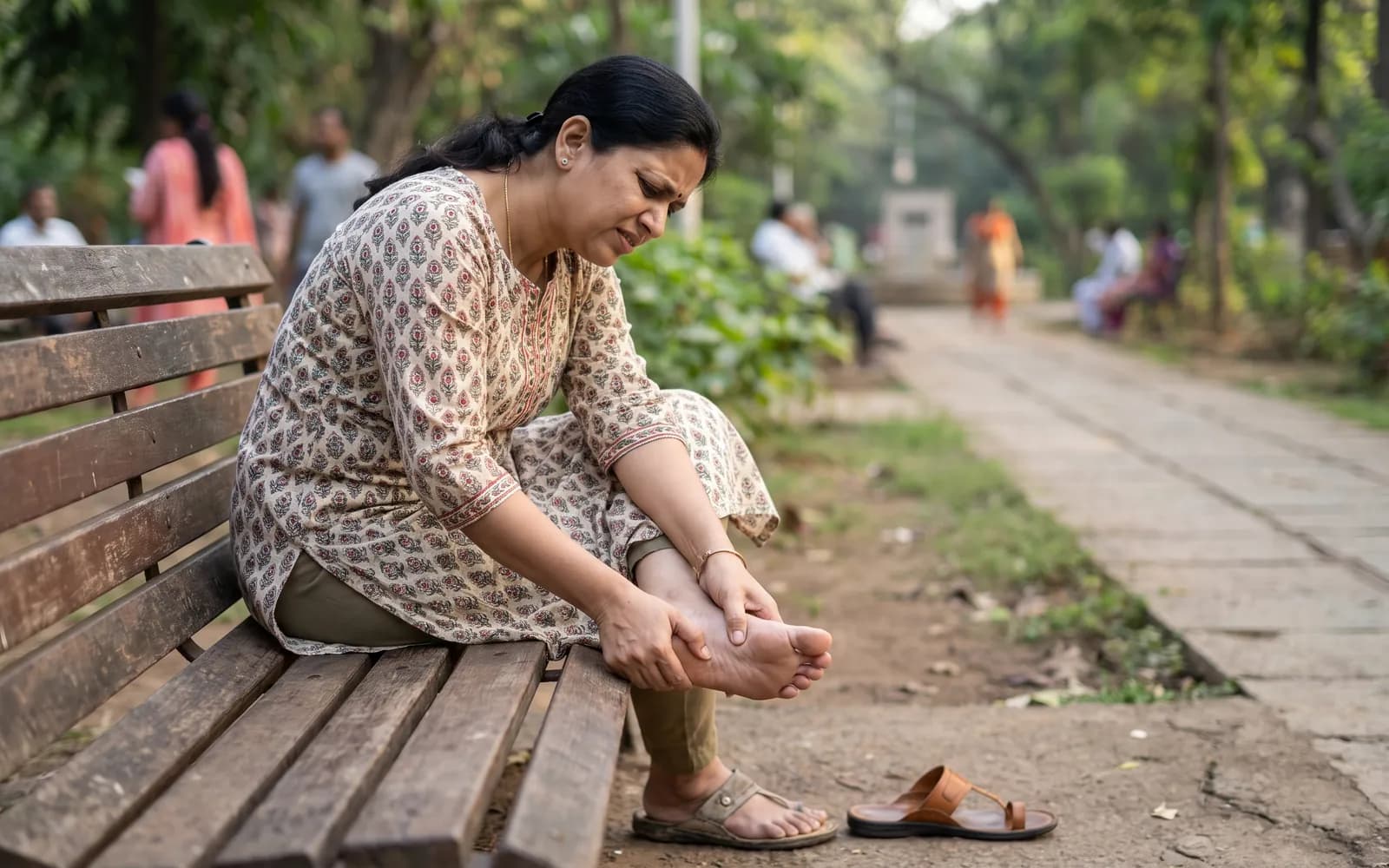
| Heel pain, plantar fasciitis | Heel takes extra load; tight plantar fascia |
| Ball of foot pain | Forefoot takes extra load (metatarsalgia) |
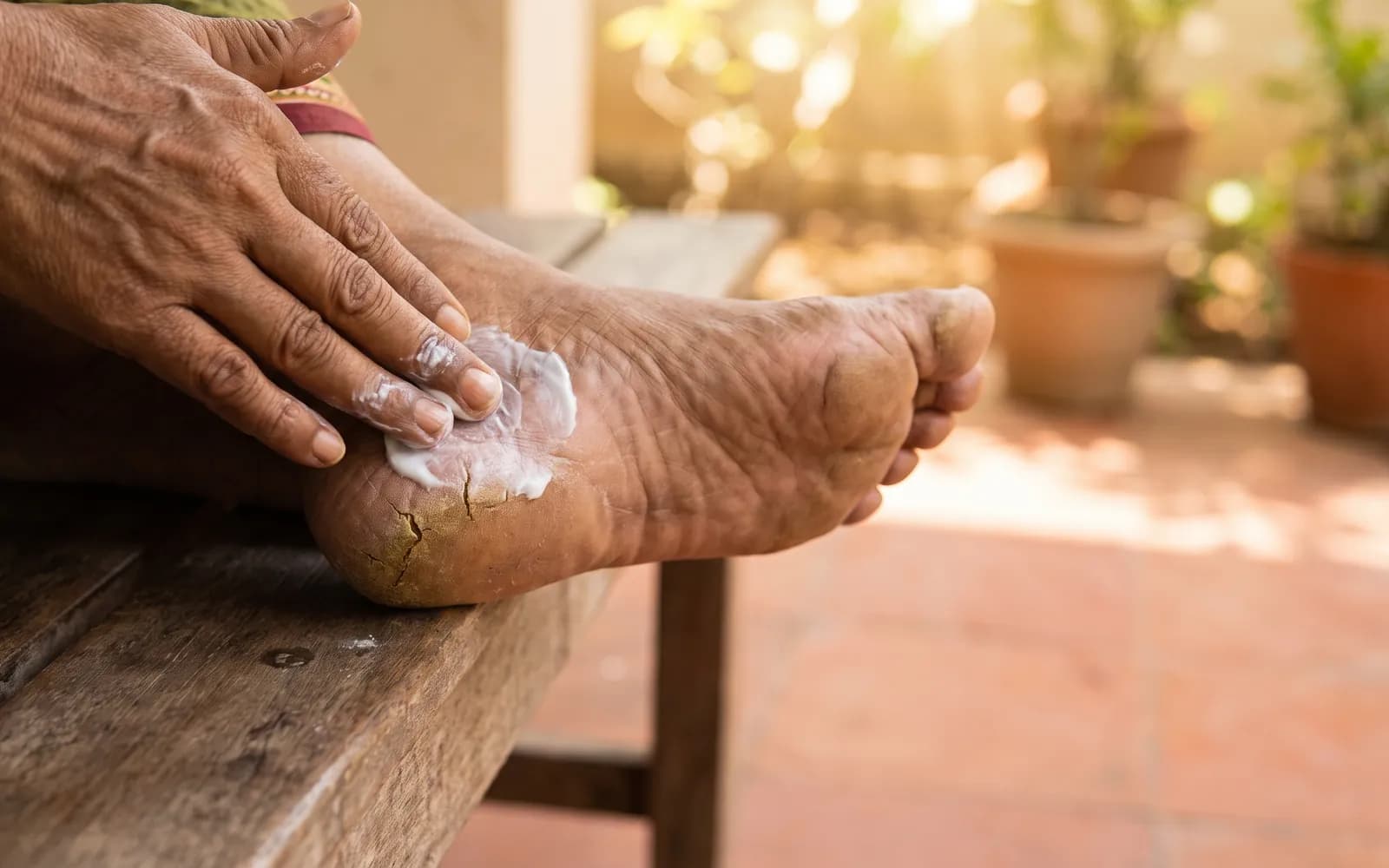
| Calluses under heel and ball | Concentrated pressure (corns and calluses) |
| Frequent ankle sprains | Foot tends to roll outward |
| Claw or hammer toes | Muscle imbalance |
| Knee, hip or back ache | Poor shock absorption |
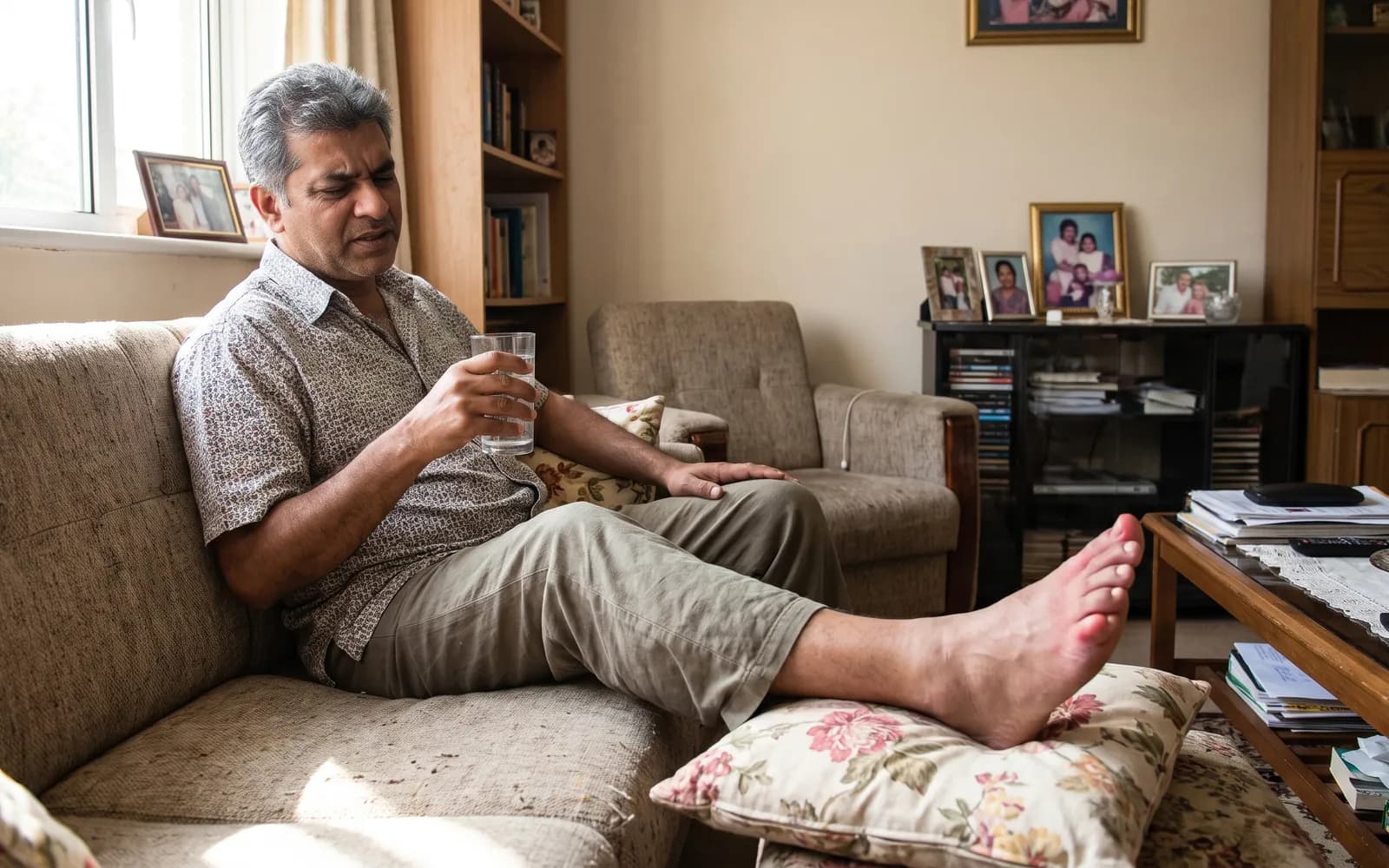
| Pressure on top of foot | High instep in tight footwear |
What causes high arches?
Most high arches are inherited and harmless apart from the symptoms above. But high arches can also be linked to nerve or muscle conditions, especially if:
- The arch has been getting higher over time.
- Only one foot is affected.
- There is weakness, numbness or frequent tripping.
In these cases, please see a doctor or neurologist for assessment.
The best footwear for high arches
High arches need two things: cushioning to make up for poor shock absorption, and a contoured footbed that fills the arch gap so weight is shared across the whole sole.
Look for:
- Thick, cushioned footbed — such as MCP — to absorb impact.
- Contoured arch that meets your arch instead of leaving it hanging.
- Deep heel cup to stabilise the heel.
- Adjustable straps or velcro for a high instep.
- Wide, stable base to reduce outward rolling.
- Roomy toe box for curled toes.
Avoid: thin flat sandals, hard soles, narrow toe boxes and fixed straps that press on the instep.
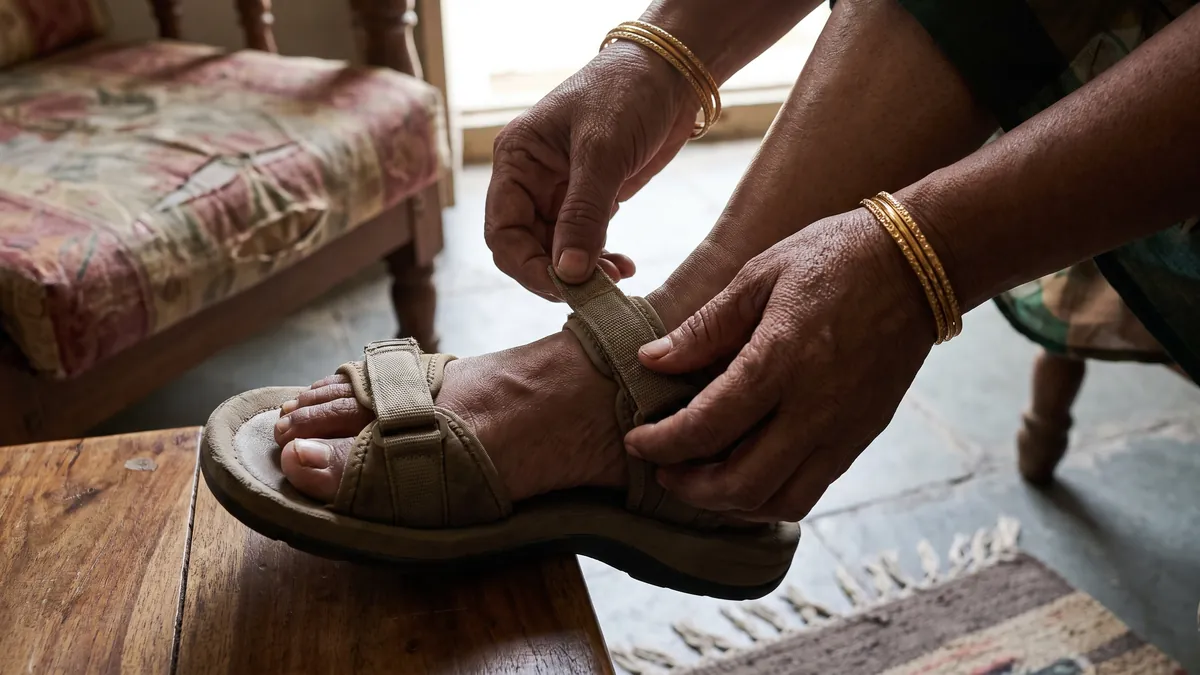
Footwear picks for high arch feet
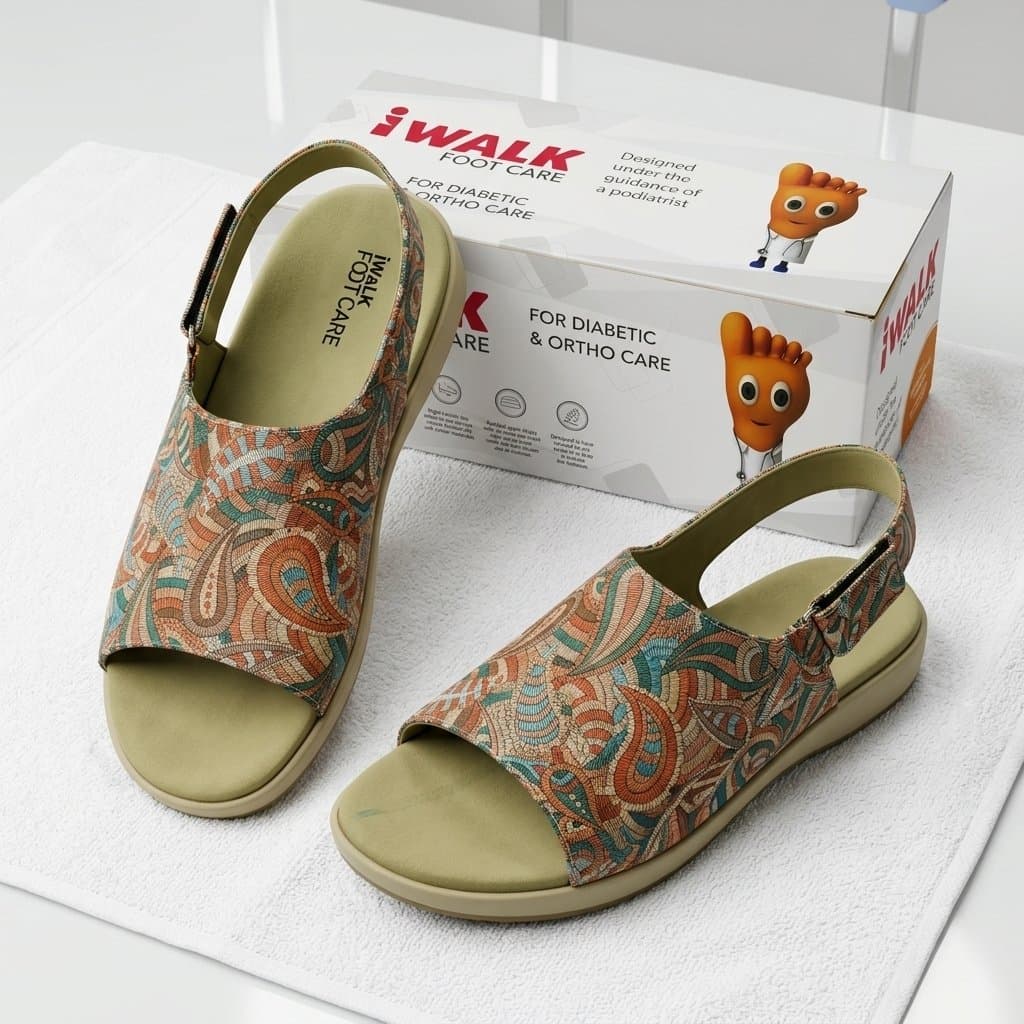
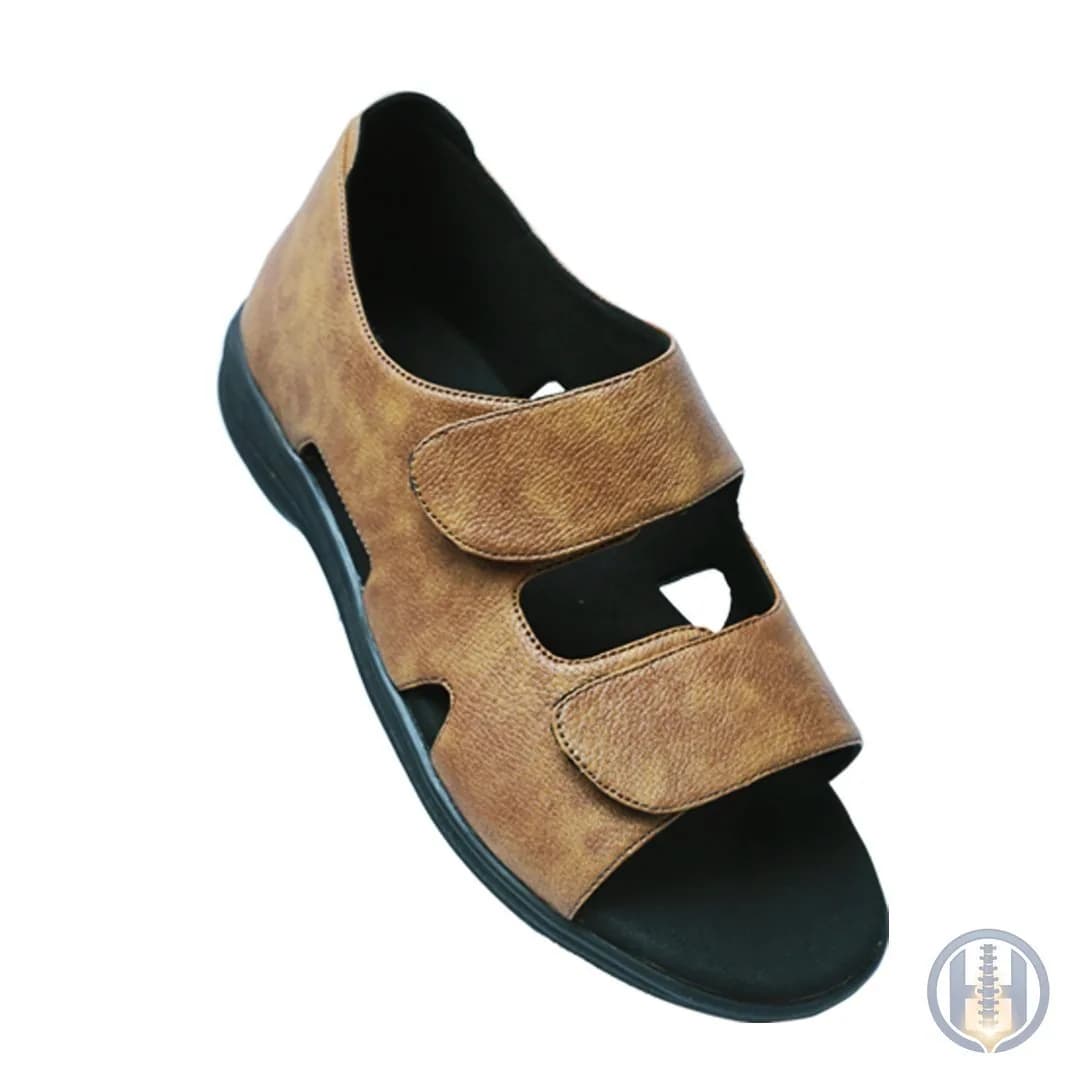
Adjustable sandals: the AJM 09 velcro sandal for men adjusts easily over a high instep. For women, the AJL 32 has a cushioned, shock-absorbing sole and spacious fit.
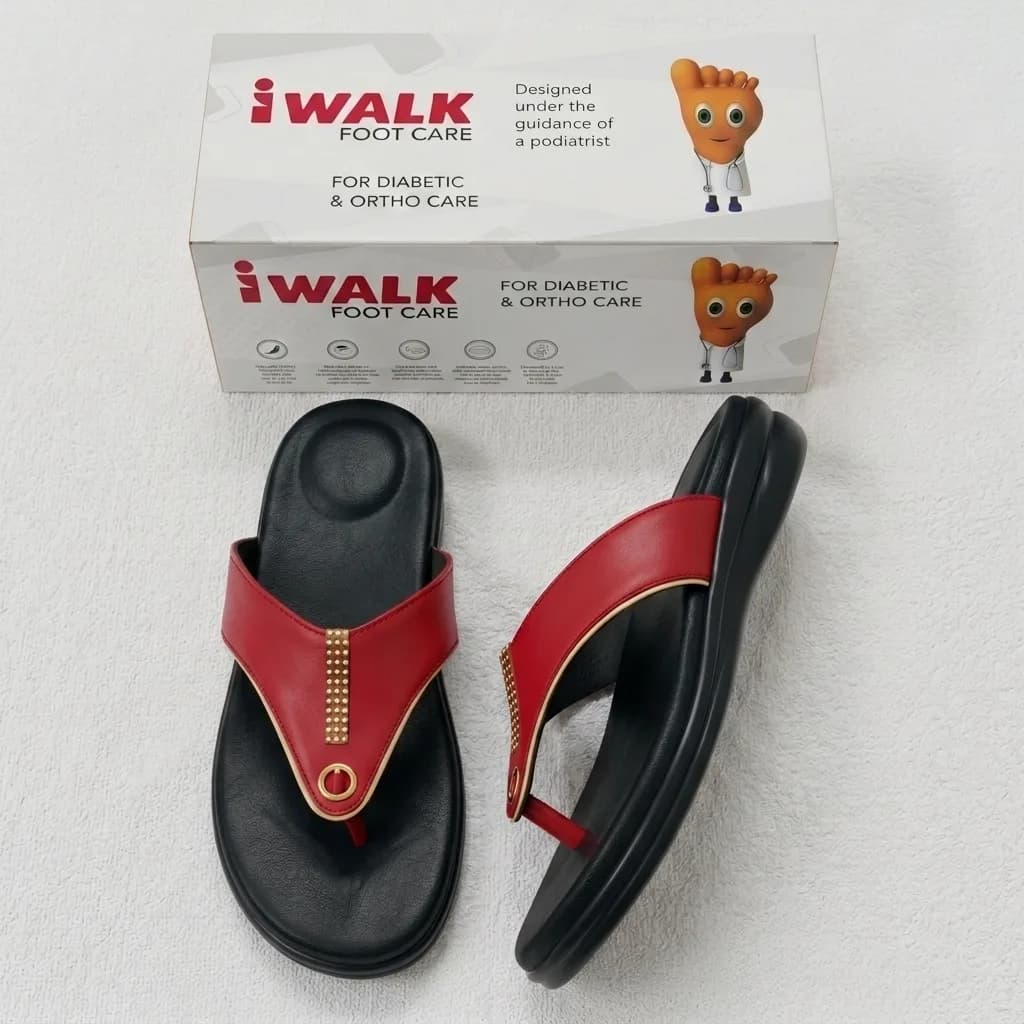
Heel cushioning: the AJL Barmi heel-soft sandal is ideal if heel pain is your main complaint.
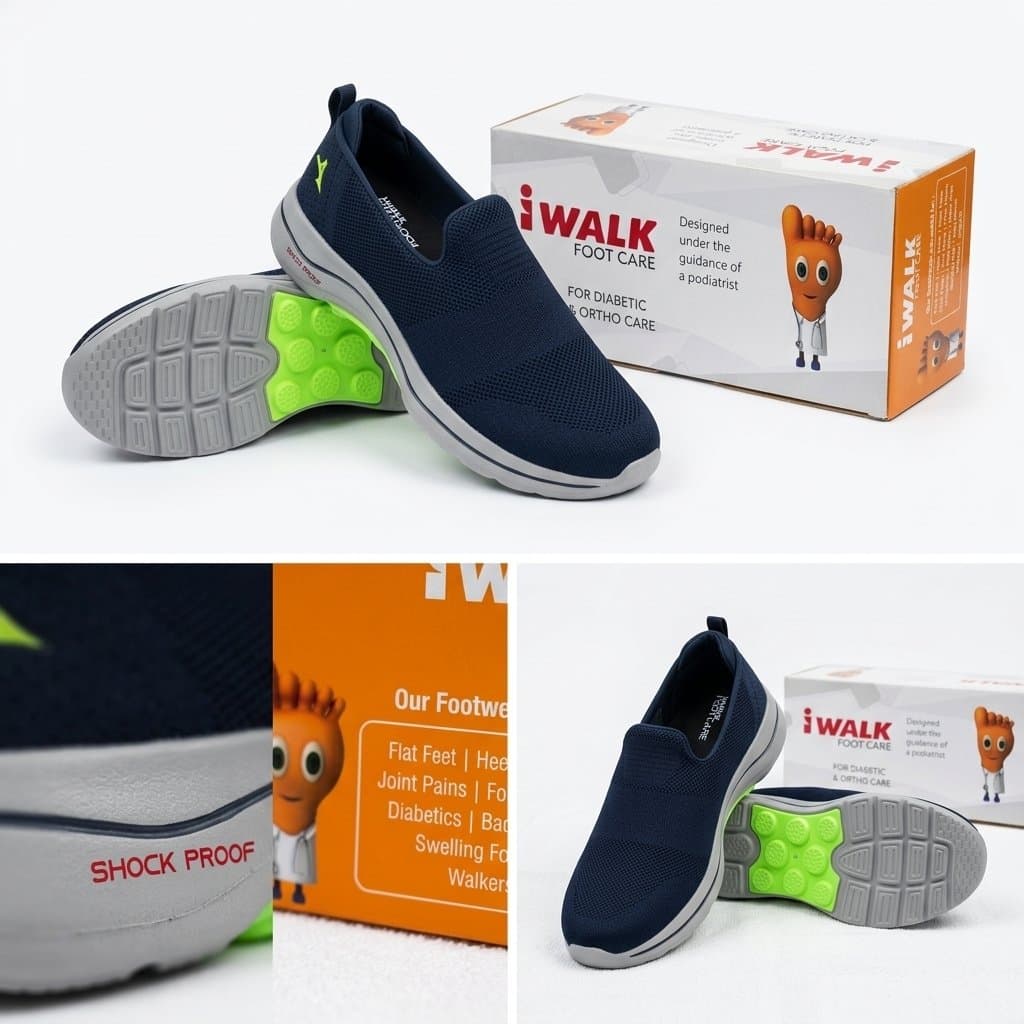
Walking and exercise: the men's and women's walking shoes have shock-absorbing soles and stretchy knit uppers that accommodate a high instep.
Exercises that help high arches
- Calf stretch against a wall — tight calves are common with high arches.
- Plantar fascia stretch — pull your toes back gently for 30 seconds before getting out of bed.
- Roll the sole over a ball or chilled water bottle for 2–3 minutes.
- Balance training — stand on one leg for 30 seconds (near a wall) to reduce ankle sprains.
- Toe straightening — spread and straighten the toes, hold 5 seconds.
For a structured plan, our home physiotherapy service can assess your feet and gait.
High instep making sandals tight? WhatsApp us your size and we'll suggest adjustable, cushioned options.
Key takeaways
- High arches (pes cavus) absorb shock poorly and overload the heel and ball of the foot.
- Common problems: heel and forefoot pain, calluses, ankle sprains and clawed toes.
- Choose thick cushioning, a contoured arch, a deep heel cup and adjustable straps.
- See a doctor if the arch is changing, one-sided, or comes with weakness. Browse cushioned men's and women's footwear.