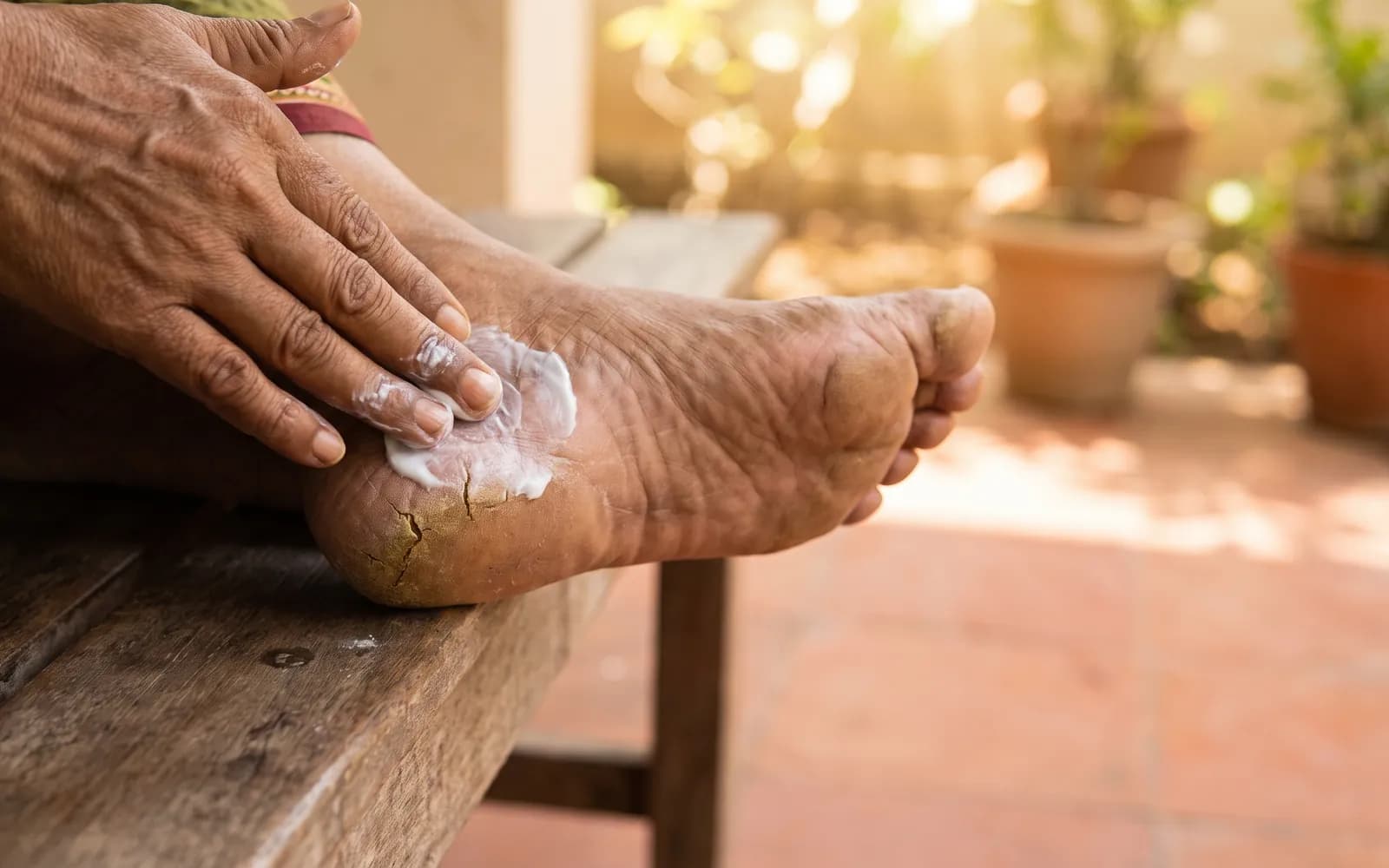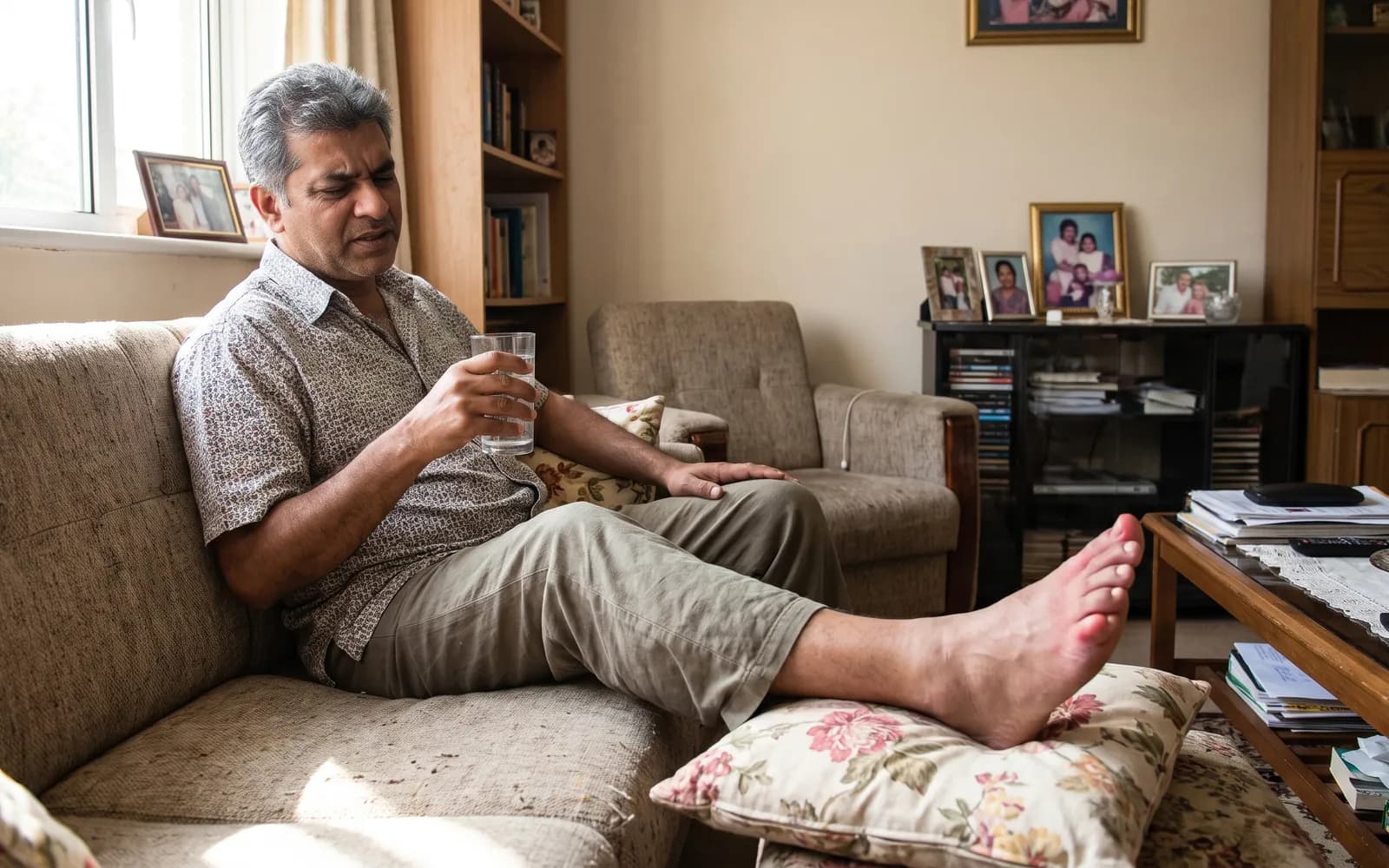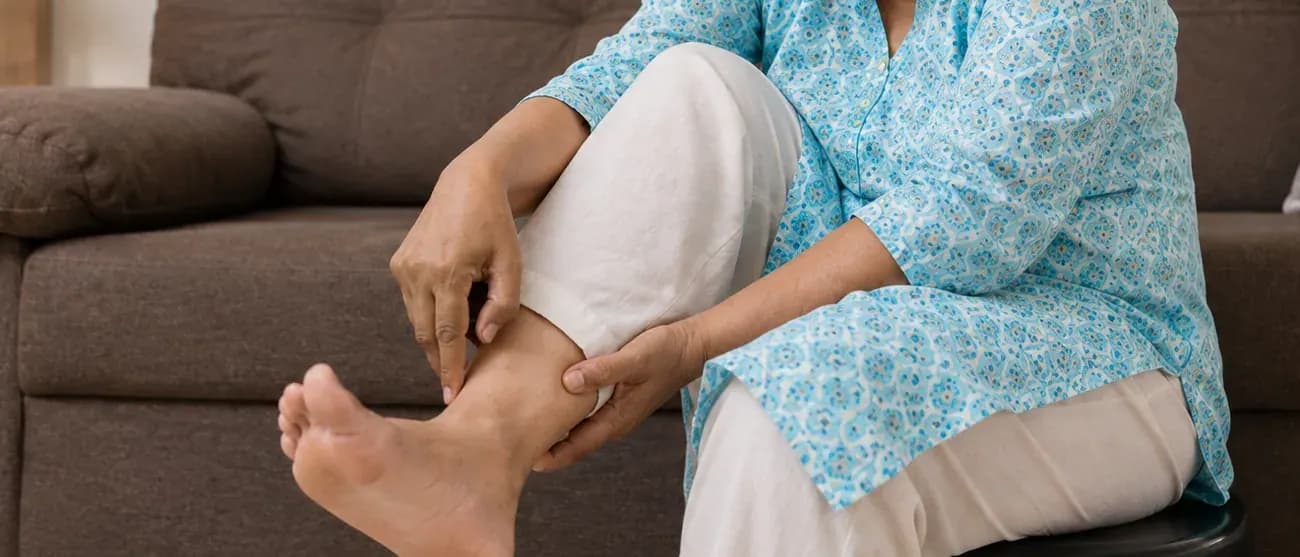
Corns are small, hard, often painful spots of thickened skin — usually on the tops or sides of toes. Calluses are broader patches of hard skin, often under the ball of the foot or the heel. Both are the skin's way of protecting itself from repeated pressure or friction. Remove the pressure, and they usually improve.
Why corns and calluses form
- Tight or narrow footwear pressing on toes
- Hard, thin soles that concentrate pressure under the ball of the foot
- Seams and hard edges inside footwear
- Walking barefoot on hard floors
- Foot shape — bunions, hammer toes and flat or high arches create pressure points (bunions guide)
Safe care at home (if you don't have diabetes)
- Soak feet in warm (not hot) water for 10 minutes to soften the skin.
- Gently file with a pumice stone or foot file — a little at a time.
- Moisturise daily to keep skin supple.
- Use soft cushioning pads over corns to reduce pressure.
- Change the footwear that caused the problem.
Avoid blades and strong chemical corn plasters — they can cause wounds.
If you have diabetes: don't treat corns yourself
With diabetes, reduced feeling and slower healing mean a small cut while trimming a corn can become a serious wound. Show corns and calluses to your doctor or a podiatrist — never use blades, scissors or medicated corn plasters (daily diabetic foot care). Thick calluses under the foot can also hide bleeding or ulcers underneath.
Footwear that prevents corns and calluses
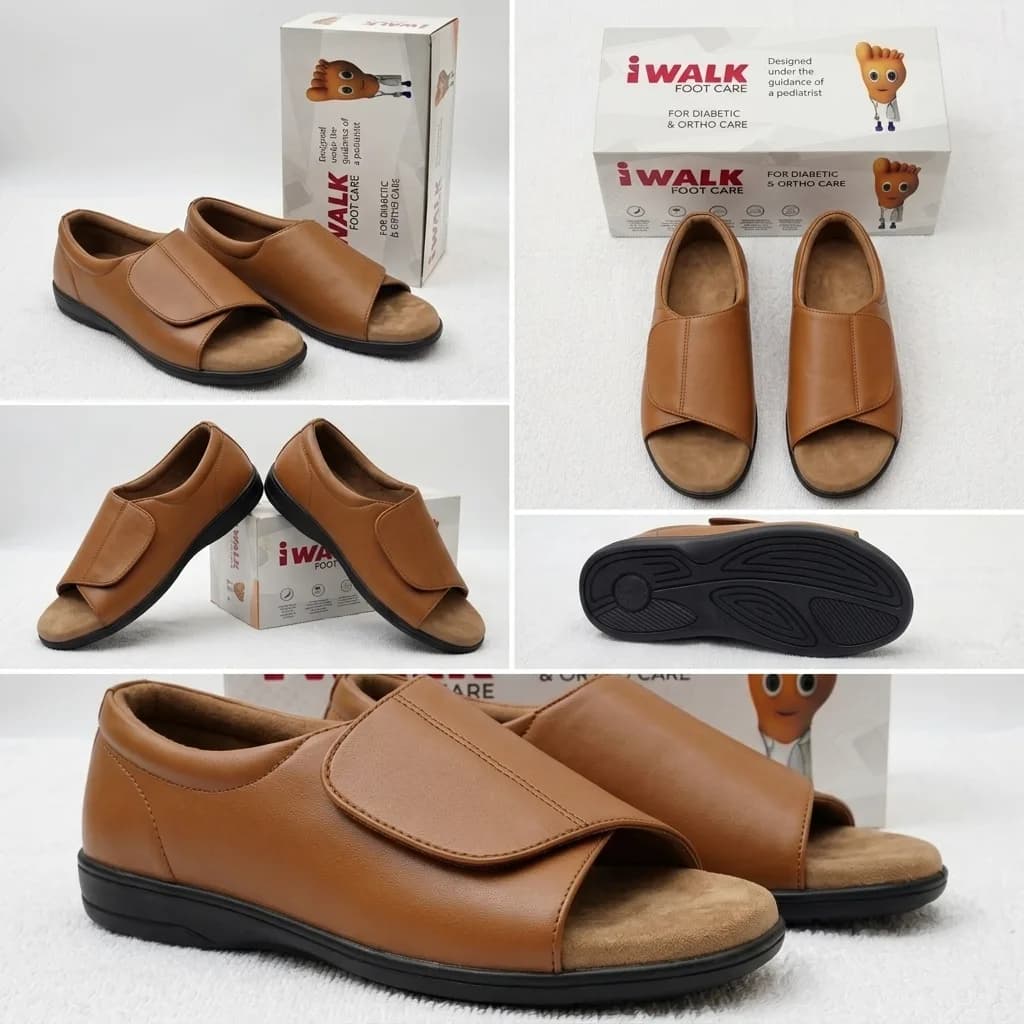
- Roomy toe box — no pressure on the tops or sides of toes.
- Soft, seam-free lining — Micro Touch-type linings reduce friction.
- Cushioned MCP footbed — spreads pressure away from the ball of the foot.
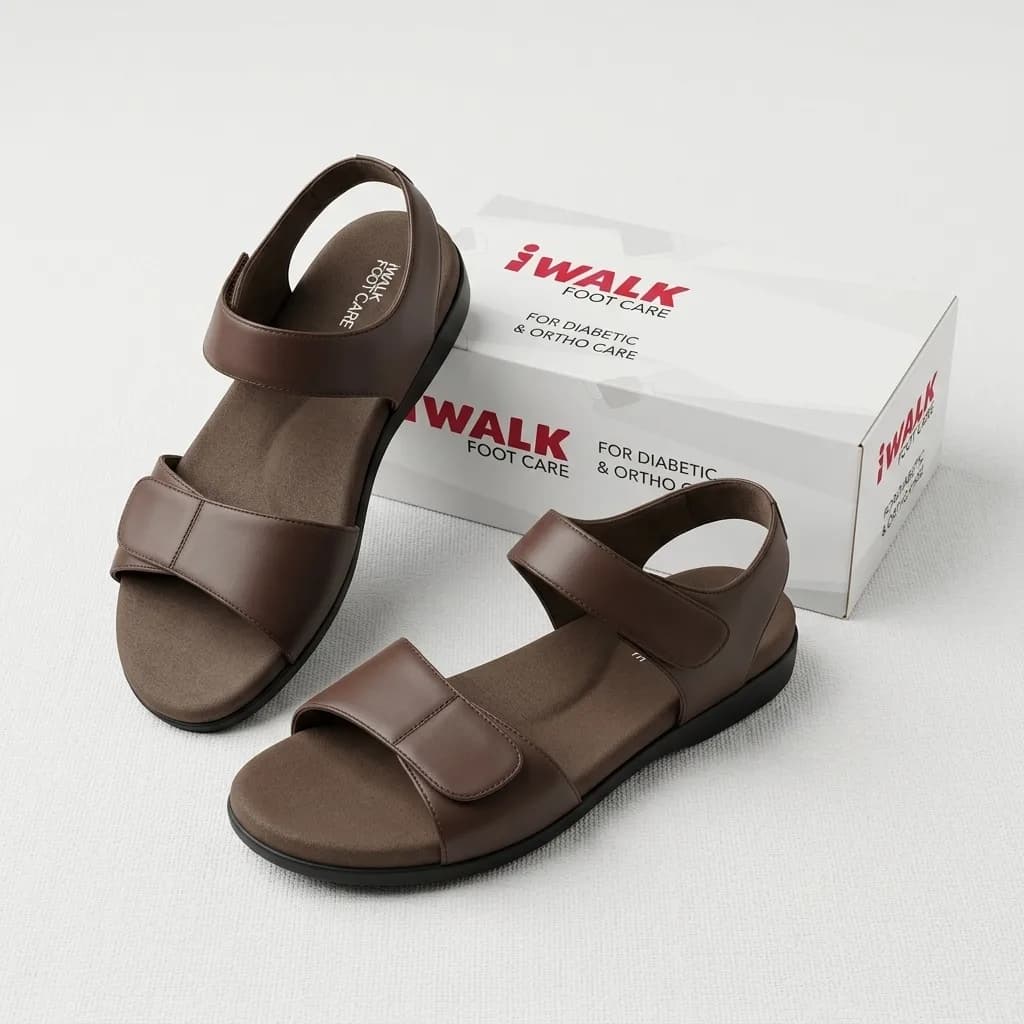
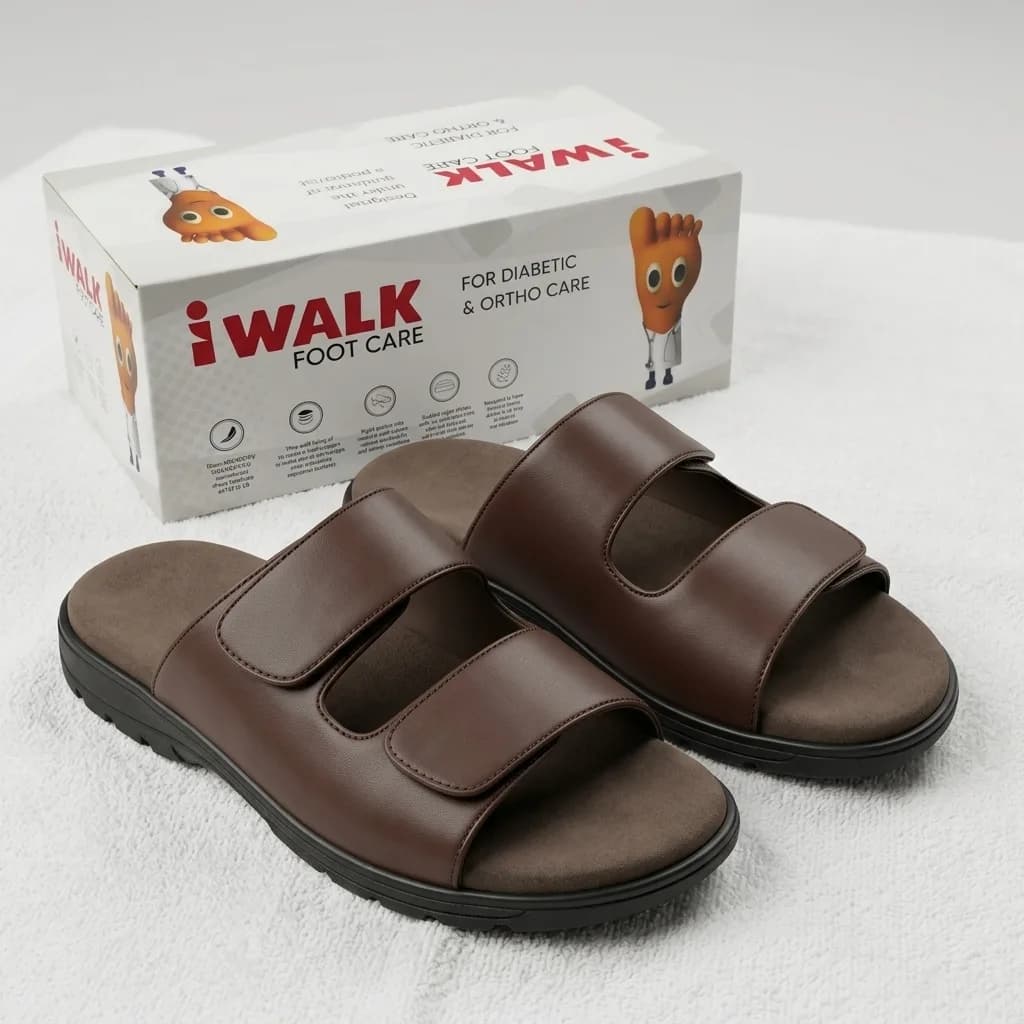
- Adjustable straps — no tight bands across toes.
- Correct size — too small causes corns; too big causes rubbing as the foot slides (measuring guide).
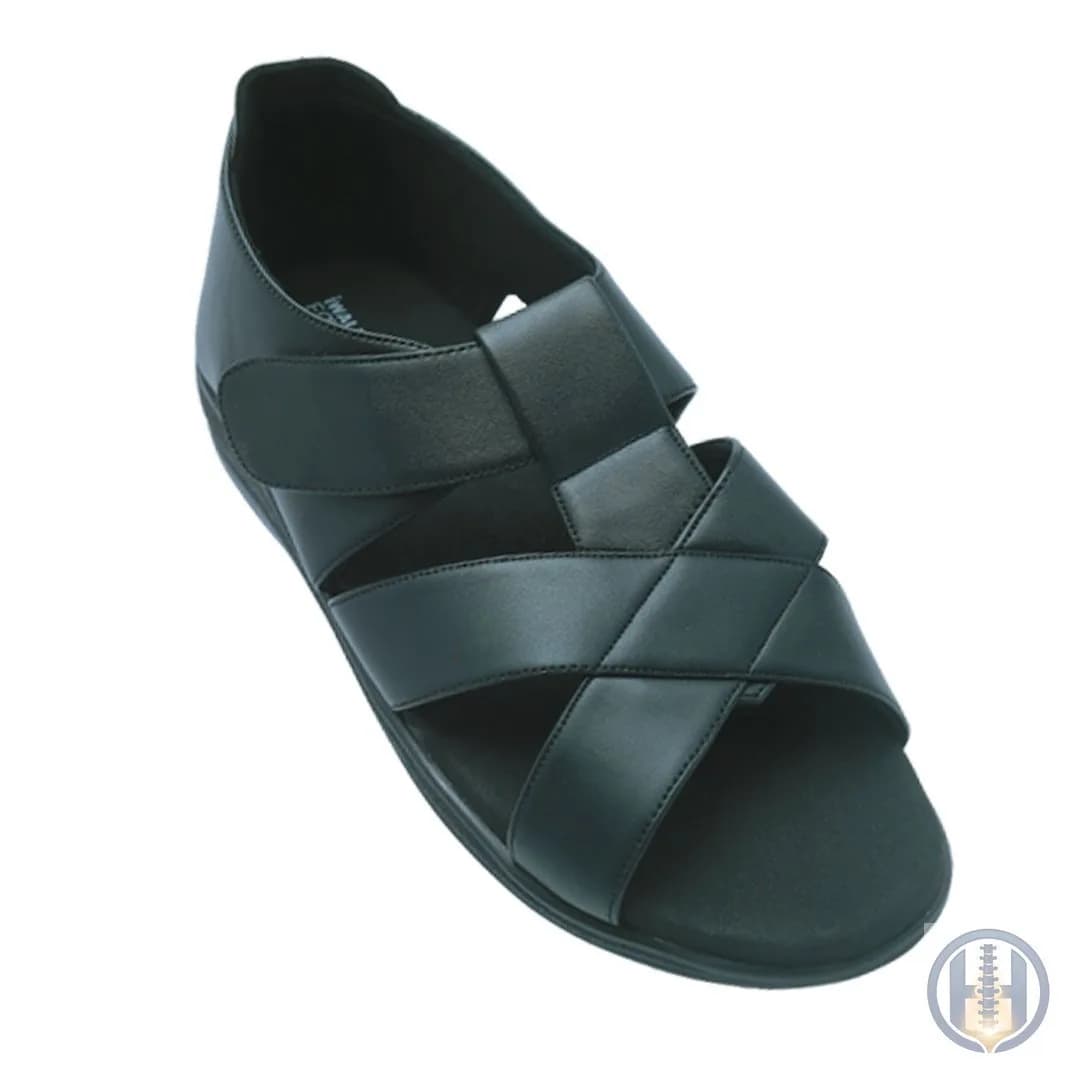
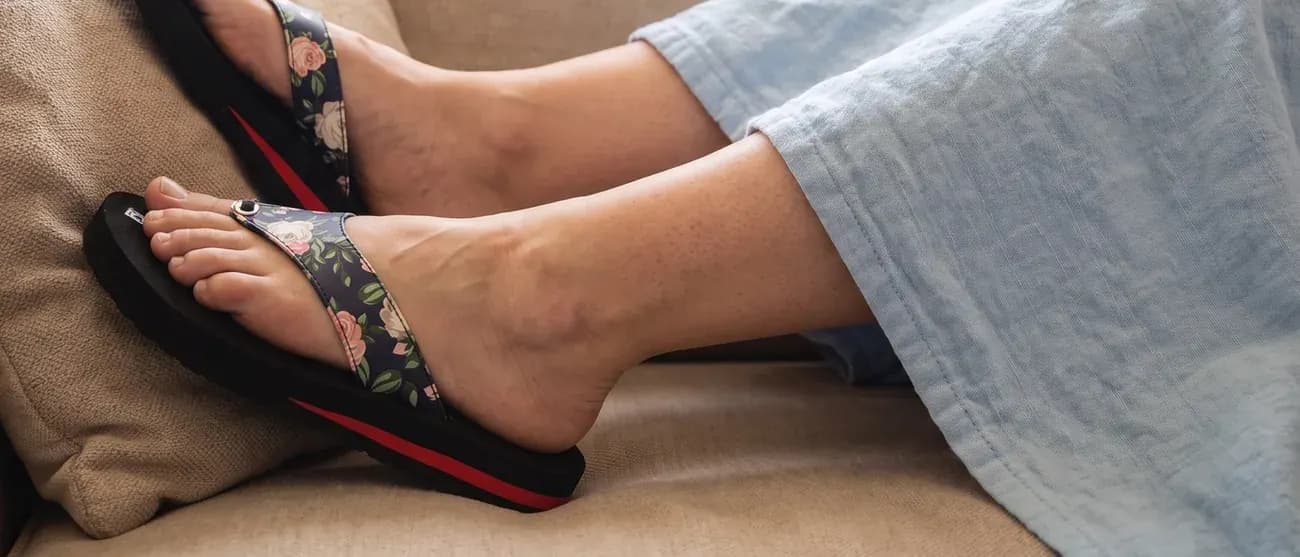
Soft-upper cross-strap sandals like the AJM 11 for men and the AJL Diana for women are good examples.
When to see a doctor
- Any corn or callus if you have diabetes or poor circulation
- Pain that doesn't improve after changing footwear
- Bleeding, discolouration, pus or warmth
- Corns that keep coming back in the same spot
Common pressure points and what causes them
| Location | Common cause |
|---|---|
| Top of the toes | Shallow, tight toe box; hammer toes |
| Outside of the little toe | Narrow footwear |
| Between the toes ("soft corn") | Toes squeezed together in tight footwear |
| Under the ball of the foot | Thin, hard soles; high heels |
| Edge of the heel | Open-back slippers; walking barefoot; dry skin |
Matching the location to the cause tells you what to change: a deeper toe box, a wider fit, a cushioned footbed or a heel cup.
Daily habits that keep skin healthy
- Moisturise heels and soles every night (not between the toes).
- Wear footwear indoors rather than walking barefoot on hard floors.
- Keep toenails trimmed straight across so toes sit comfortably.
- Change socks daily if you wear closed shoes, choosing seamless cotton socks.
- Check your feet each evening — catching pressure early prevents corns forming.
Why cushioning matters as much as size
Even a correctly sized pair can cause calluses if the footbed is thin and flat, because body weight concentrates under the ball of the foot and heel. A contoured MCP footbed spreads that pressure over a wider area (MCR vs MCP).