After a foot or ankle fracture, a sprain, or foot surgery, there comes a day when the cast or walking boot comes off and you're told to start walking in regular footwear. That step is often more uncomfortable than people expect — the foot may be stiff, swollen and weak. The right footwear and a gradual plan make recovery smoother.
Always follow your surgeon's or doctor's instructions on when and how much weight to put on the foot. This guide covers general footwear principles once you've been cleared.
Why the first weeks feel difficult
- Swelling returns when you stand or walk, especially by evening.
- Stiffness in the ankle and toe joints after immobilisation.
- Weak muscles after weeks of reduced use.
- Balance is often affected.
- Scars and sensitive skin can be tender to pressure.
What to look for in recovery footwear
- Adjustable fastening — wide velcro straps to accommodate swelling that changes through the day (swollen feet guide).
- Wide opening — easy to put on without forcing a stiff ankle.
- Firm heel counter and stable sole — support while balance and strength return.
- Cushioned MCP footbed — reduces impact as you build up walking.
- Soft, seam-free upper — nothing pressing on a healing scar.
- Closed toe or walker style outdoors — protection from knocks.
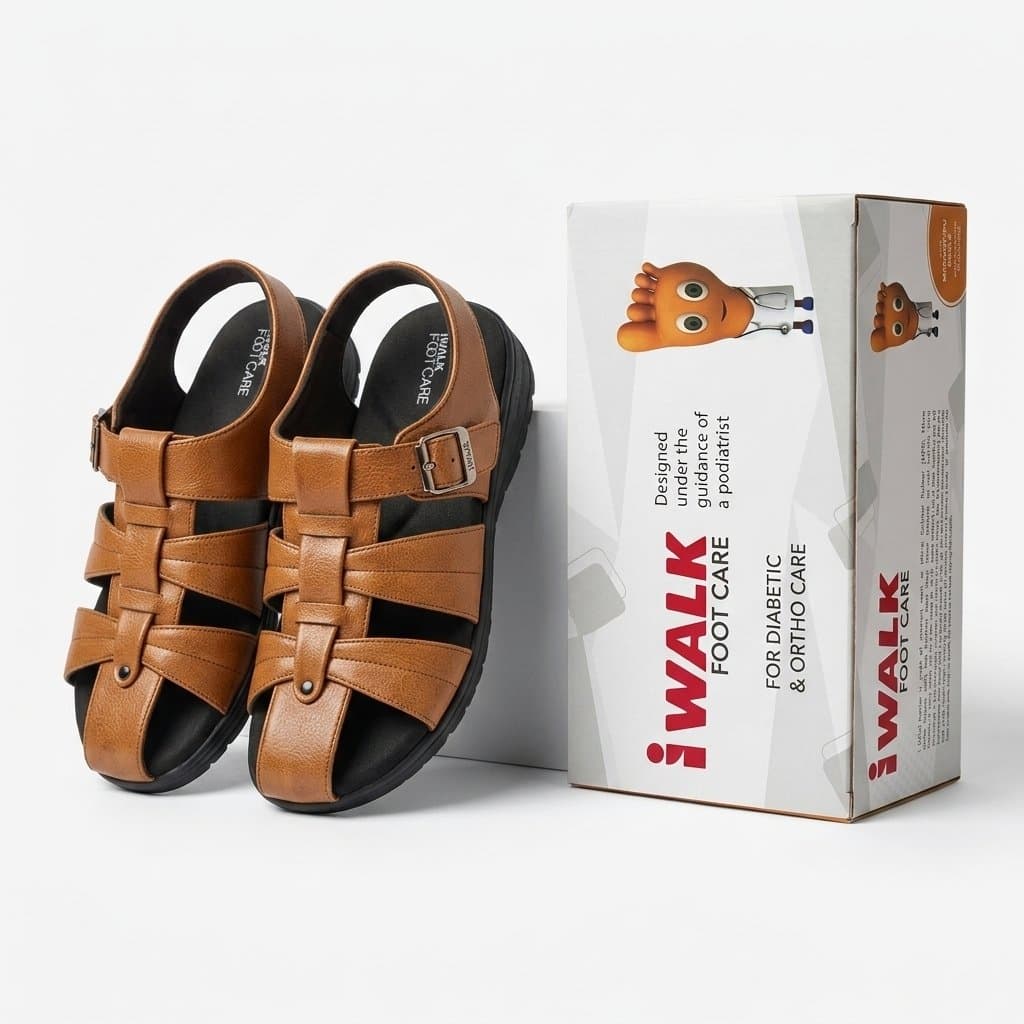
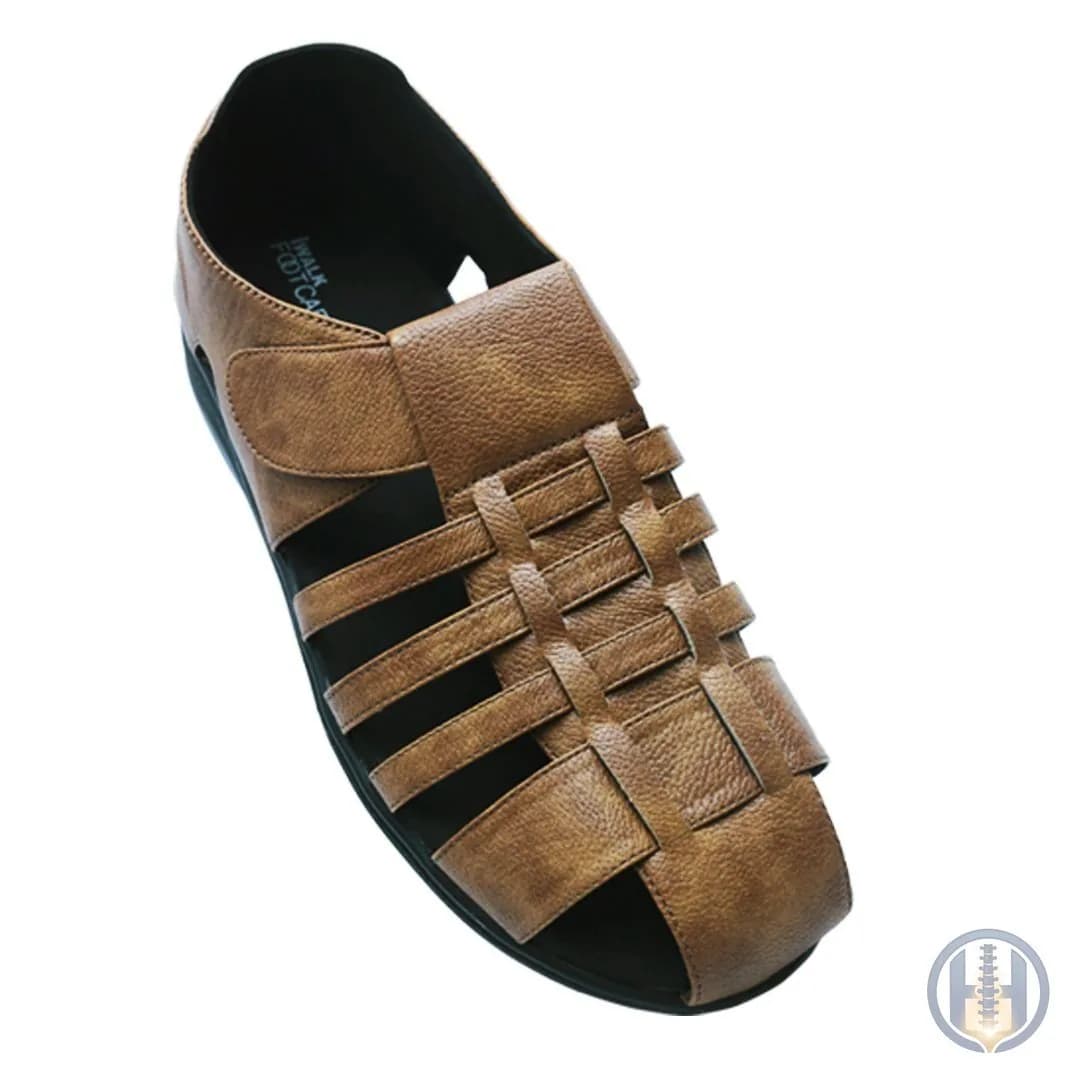
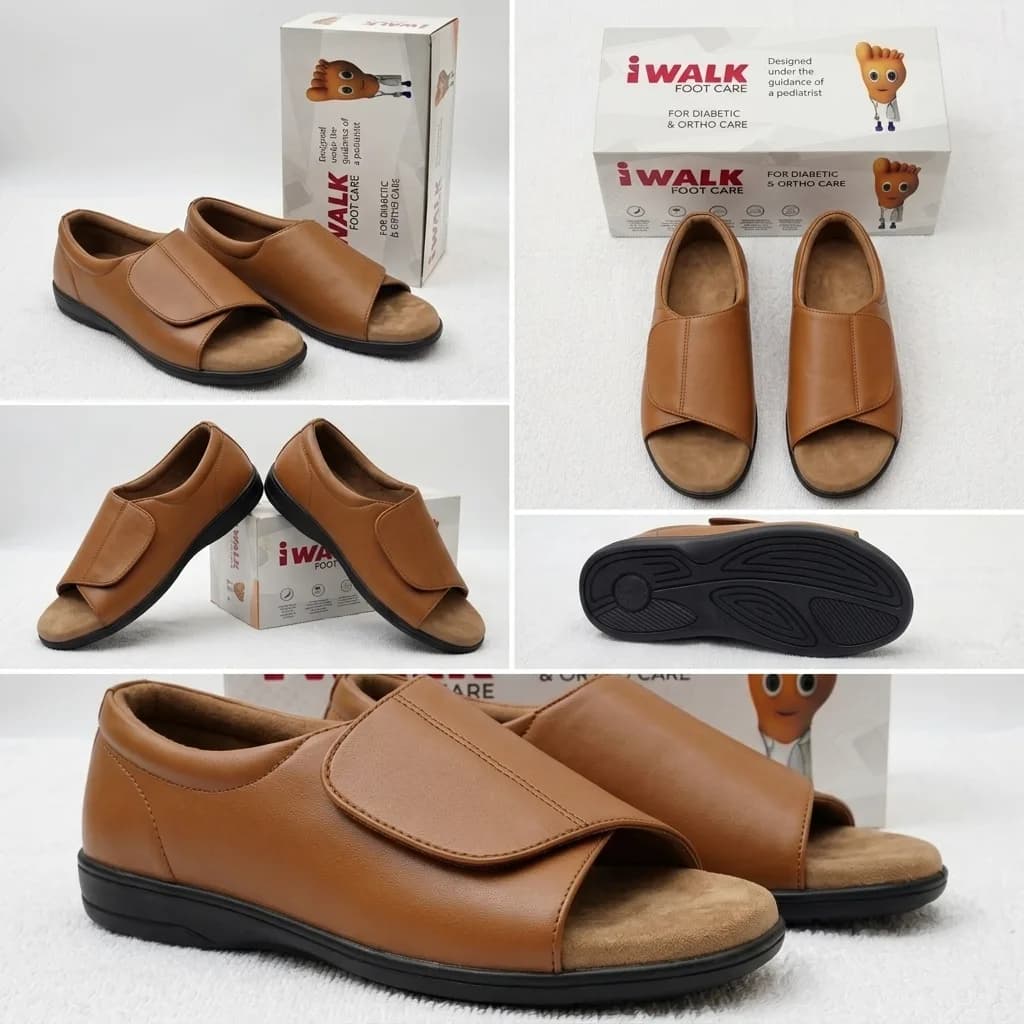
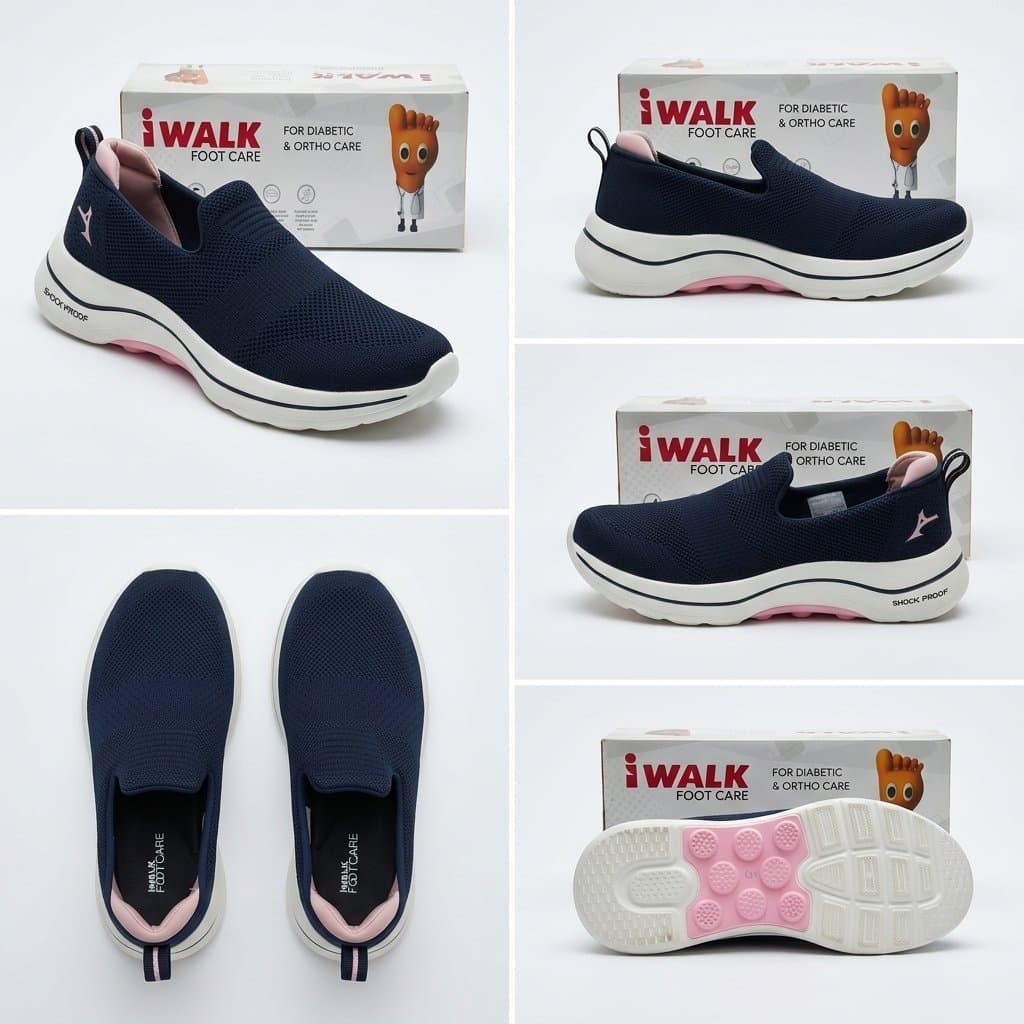
Closed walker sandals like the AJM Walker, roomy adjustable sandals like the AJM 10 and wide-velcro slip-ons like the AJL Majestic are practical choices. For longer walks later in recovery, a cushioned walking shoe.
Sizing during recovery
The operated or injured foot may be larger for weeks or months. Measure both feet in the evening and fit the larger one, using straps to secure the other (measuring guide).
Building back up — with physiotherapy
Physiotherapy is often the difference between a slow and a smooth recovery. A physiotherapist can guide:
- Ankle and toe mobility exercises
- Strengthening for the foot, calf and hip
- Balance training to prevent falls and re-injury
- A gradual walking plan
We provide home-visit physiotherapy across Chennai, so you don't need to travel while you're still recovering. Read what to expect from home physiotherapy.
Warning signs — contact your doctor
- Pain that increases rather than improves
- New swelling, redness or warmth, especially in the calf
- Numbness or tingling
- Wound discharge or fever
A typical progression (always as advised by your doctor)
| Stage | Typical footwear |
|---|---|
| Immediately after cast or boot removal | Very roomy, adjustable sandal or slipper with a firm back, short walks only |
| Early weeks of walking | Adjustable closed walker or velcro sandal with cushioned footbed |
| Building strength | Supportive walking shoe for longer walks; sandal at home |
| Back to normal activity | Your regular supportive footwear, replaced if worn |
Timelines vary widely depending on the injury, the surgery and your health — your surgeon and physiotherapist will guide you.
Common mistakes during recovery
- Going straight back to old, worn-out footwear that offers no support.
- Walking barefoot at home before the foot is strong enough.
- Doing too much too soon on a "good day", leading to a painful setback.
- Skipping home exercises between physiotherapy sessions.
- Ignoring swelling — elevating the foot after activity speeds recovery.
For elderly patients
Older adults recovering from a fracture are at higher risk of a fall. Choose footwear with a secure back and a non-slip sole, remove loose rugs, add night lights, and consider home physiotherapy to rebuild balance safely (footwear for elderly parents).
Key takeaways
- Choose adjustable, stable, cushioned footwear with a soft upper.
- Fit the larger, swollen foot and build up walking gradually.
- Combine footwear with physiotherapy. Shop men's and women's footwear.
General information only — always follow your surgeon's and physiotherapist's advice.