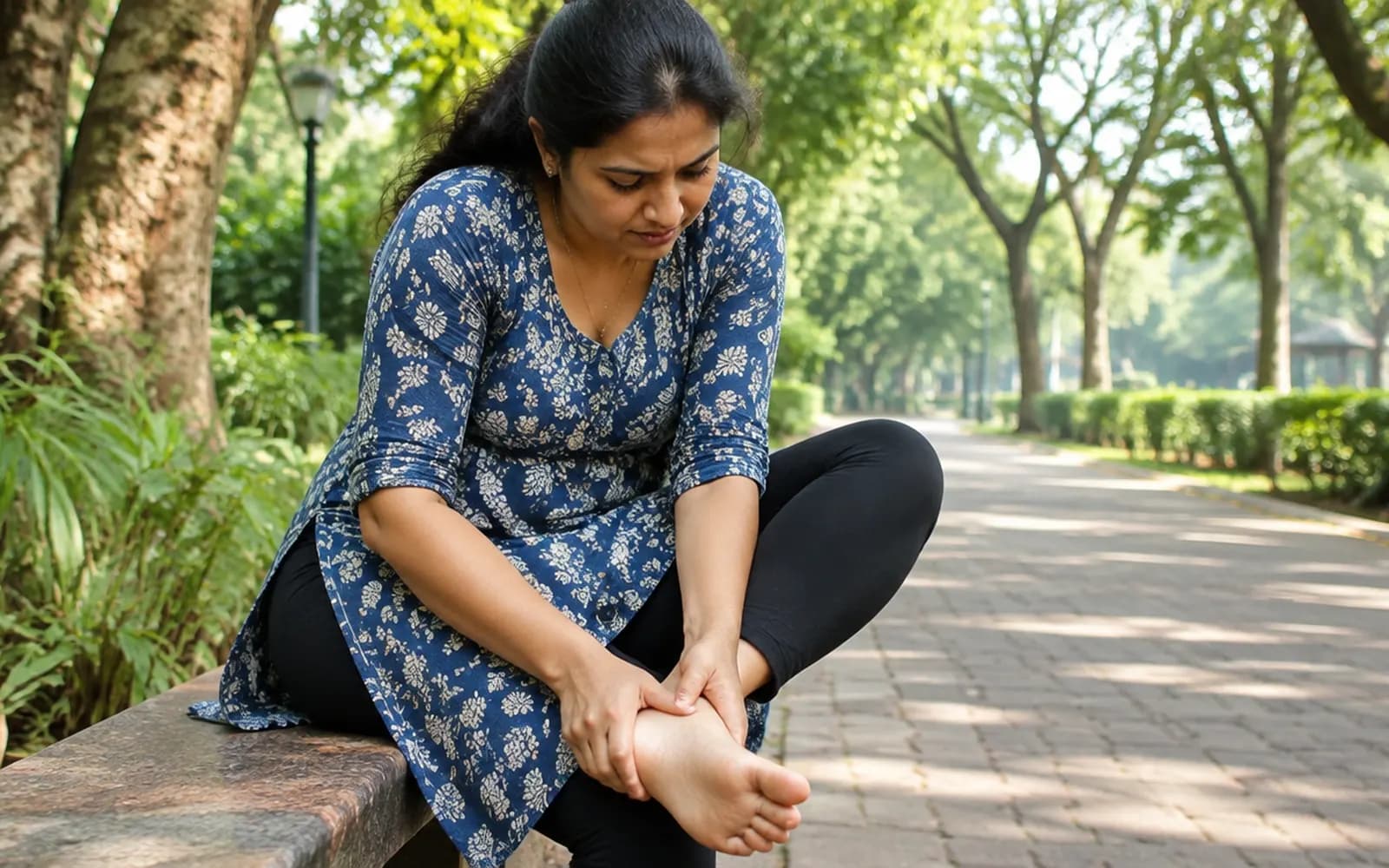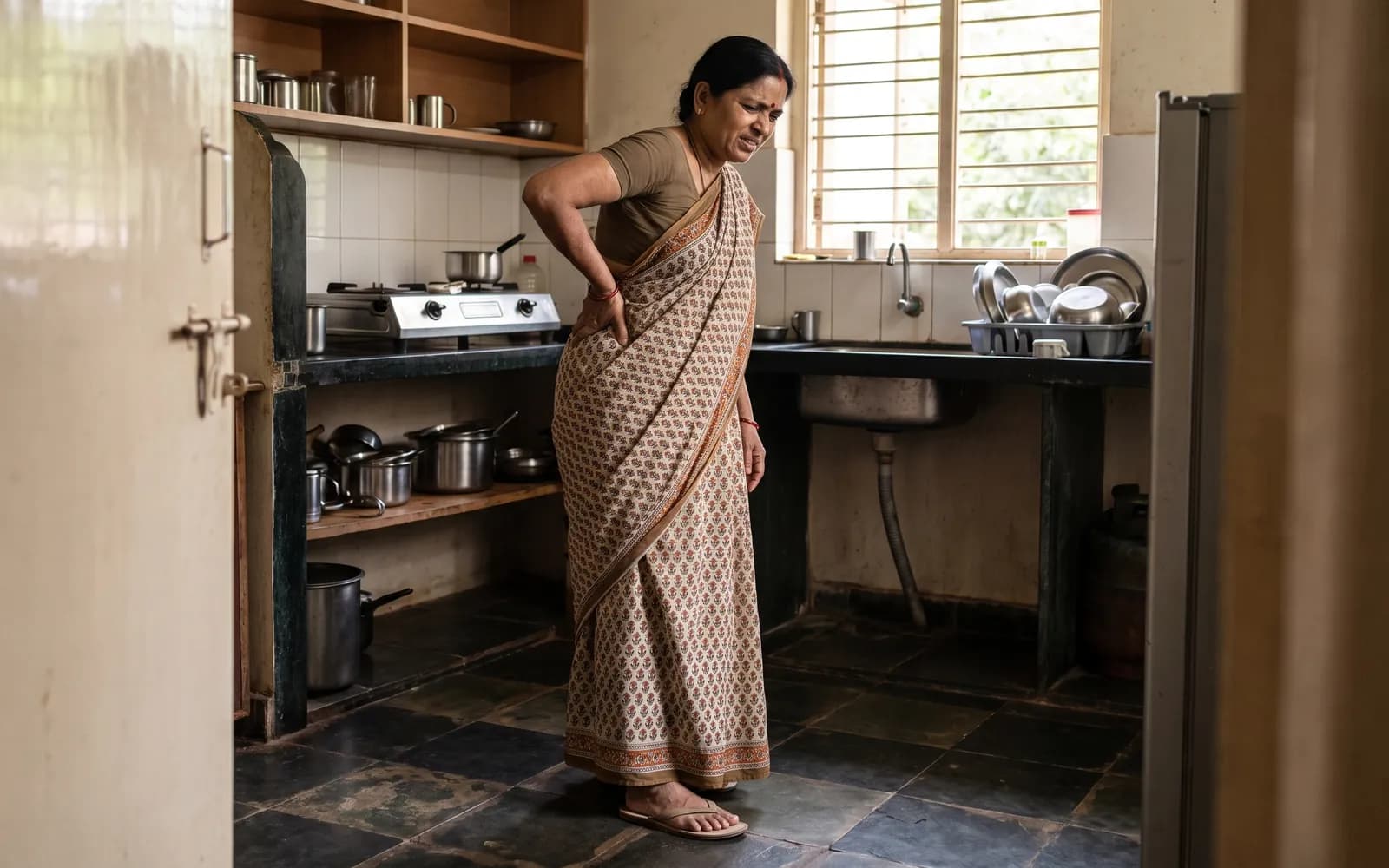
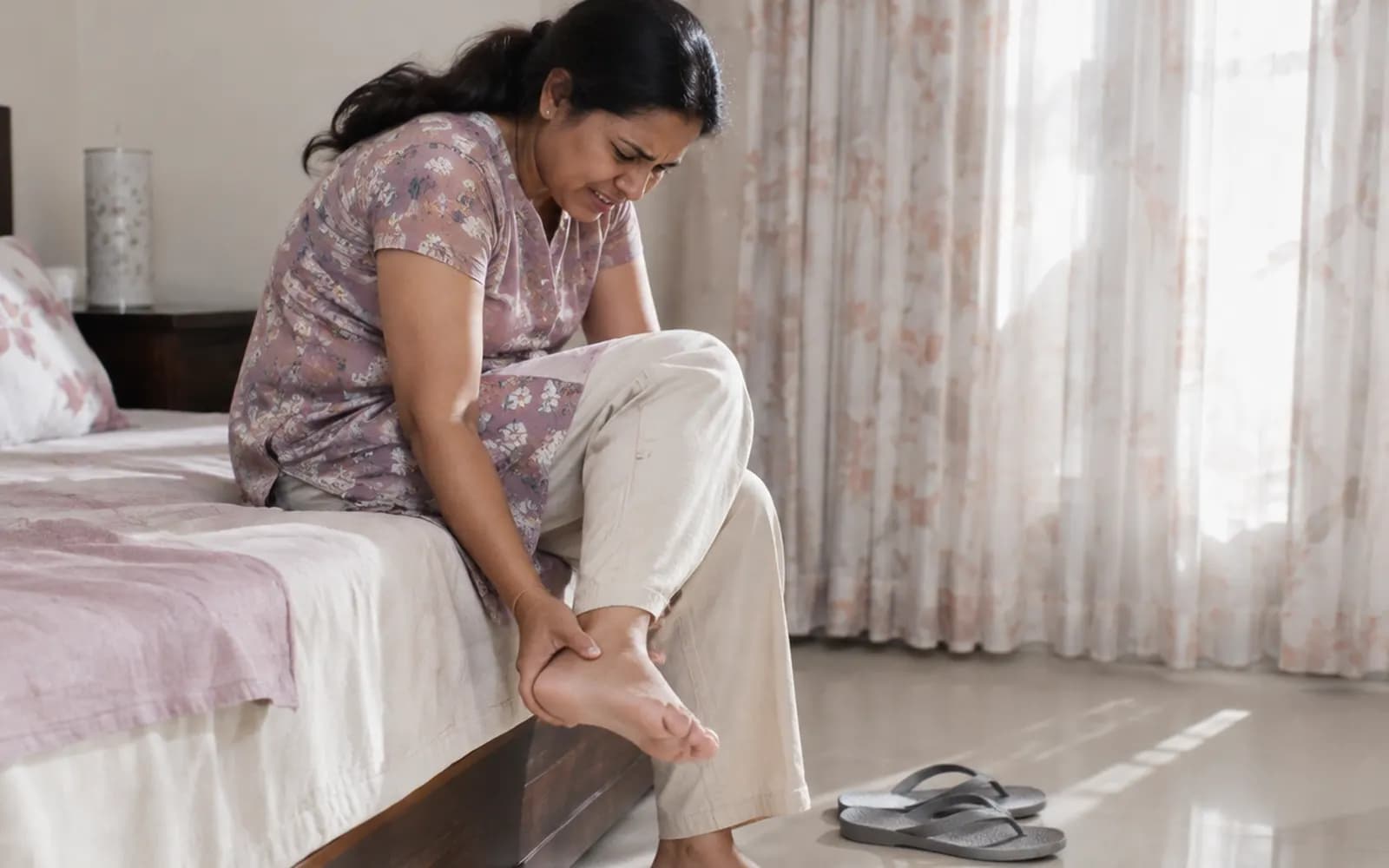
You swing your feet off the bed, take your first few steps — and a sharp, stabbing pain shoots through your heel. After a few minutes of walking it eases, only to return when you stand up after sitting. If this sounds familiar, you are not alone: heel pain in the morning is one of the most common reasons people visit a foot clinic.
The good news is that most cases respond well to simple changes. This guide explains the usual causes, what you can do at home, and which footwear helps.
Why does heel pain hurt most in the morning?
During sleep, the thick band of tissue under your foot (the plantar fascia) and your calf muscles tighten and shorten. When you stand up and put weight on the heel, the tissue is suddenly stretched, which causes sharp pain. As it warms up with walking, the pain usually settles — until it tightens again after rest.
Common causes
1. Plantar fasciitis
Inflammation or tiny tears in the plantar fascia, usually felt at the inner front of the heel. It is the leading cause of morning heel pain. We cover it in detail in our guide to footwear for plantar fasciitis.
2. Heel spur
A small bony growth at the heel bone, often seen together with plantar fasciitis. See heel spur and calcaneal spur footwear.
3. Flat feet or high arches
Both change how weight travels through the foot and can overload the heel. Read about flat feet and high-arched feet.
4. Tight calf muscles or Achilles tendon
Stiff calves pull on the heel and increase strain on the sole.
5. Footwear and weight
Thin, hard or worn-out footwear, long hours standing on hard floors, sudden increases in walking and extra body weight all raise the load on the heel.
6 simple steps for morning heel pain
- Don't step down barefoot. Keep a soft pair of slippers by the bed and put them on before your first step. Our guide to soft slippers for heel pain explains why.
- Stretch before you stand. While sitting on the bed, pull your toes towards you for 20–30 seconds, rotate your ankles, and roll the sole over a small bottle.
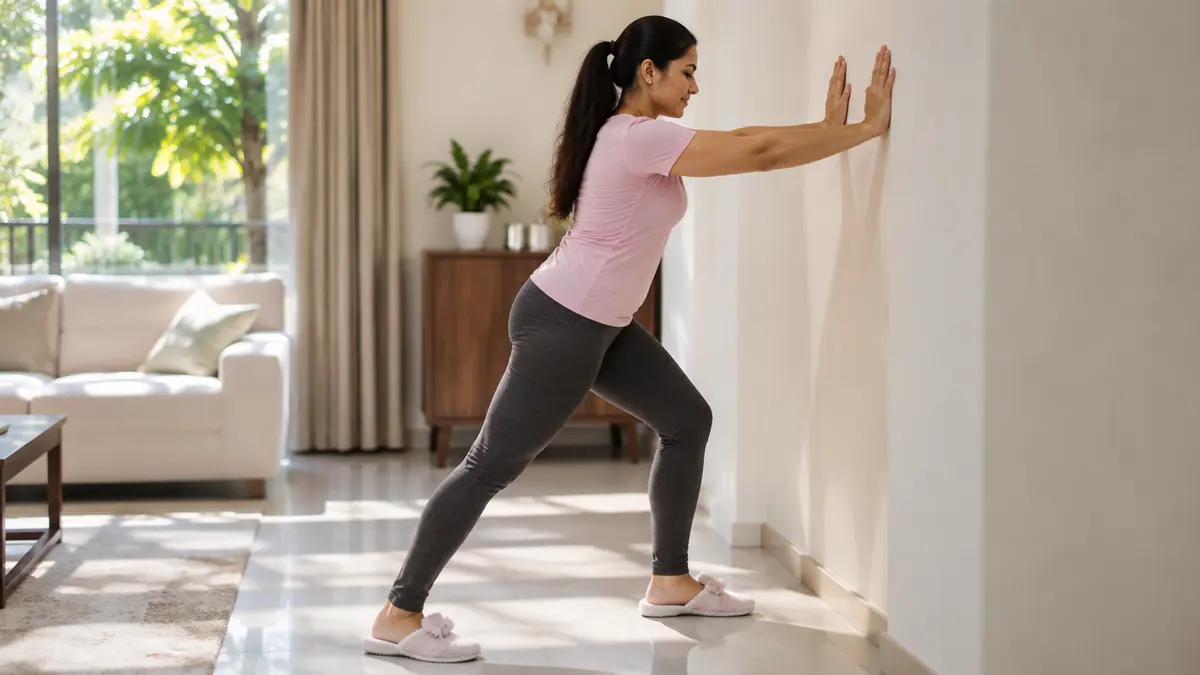
- Stretch your calves gently against a wall twice a day.
- Cushion the heel with a soft heel-soft sandal or shoe and, if you have flat feet, an arch support.
- Rest and ease up on activities that aggravate the pain. Avoid long barefoot walks on hard floors.
- Wear supportive footwear at all times, including indoors.
Pain medication or injections should only be taken on a doctor's advice.
Footwear that helps with heel pain
Look for these features:
- A cushioned heel that absorbs impact. The AJL Barmi Heel Soft (₹1,580) is a heel-soft sandal with an arch-support MCP footbed made to cushion the heel.
- Arch support that shares the load. The Arch Support Semi Pro (₹650) is a semi-rigid insert for flat feet and arch strain that fits inside regular or orthopedic footwear.
- A stable, shock-absorbing sole for walking — the Men's and Women's Walking Shoes (₹3,900 each) have a cushioned footbed and shock-proof rubber sole.
- All-day sandals such as the AJM Walker (₹1,650) for men and the AJL Diana (₹1,680) for women.
| Avoid | Prefer |
|---|---|
| Thin flat chappals | Cushioned MCP footbed |
| Barefoot on hard floors | Soft slippers indoors |
| Very high heels | Low, stable heel with arch support |
| Worn-out shoes | Replace when the footbed flattens |
When to see a doctor
Please see a doctor or physiotherapist if:
- The pain lasts more than 2–3 weeks despite rest and better footwear.
- It is severe, or you cannot put weight on the heel.
- There is swelling, redness, warmth or numbness.
- You have diabetes or circulation problems.
Our home physiotherapy service in Chennai can help with stretching and strengthening routines.
Waking up to heel pain? WhatsApp us your foot type and daily routine and we'll suggest a heel-soft sandal or shoe. Cash on Delivery is available for eligible orders.